
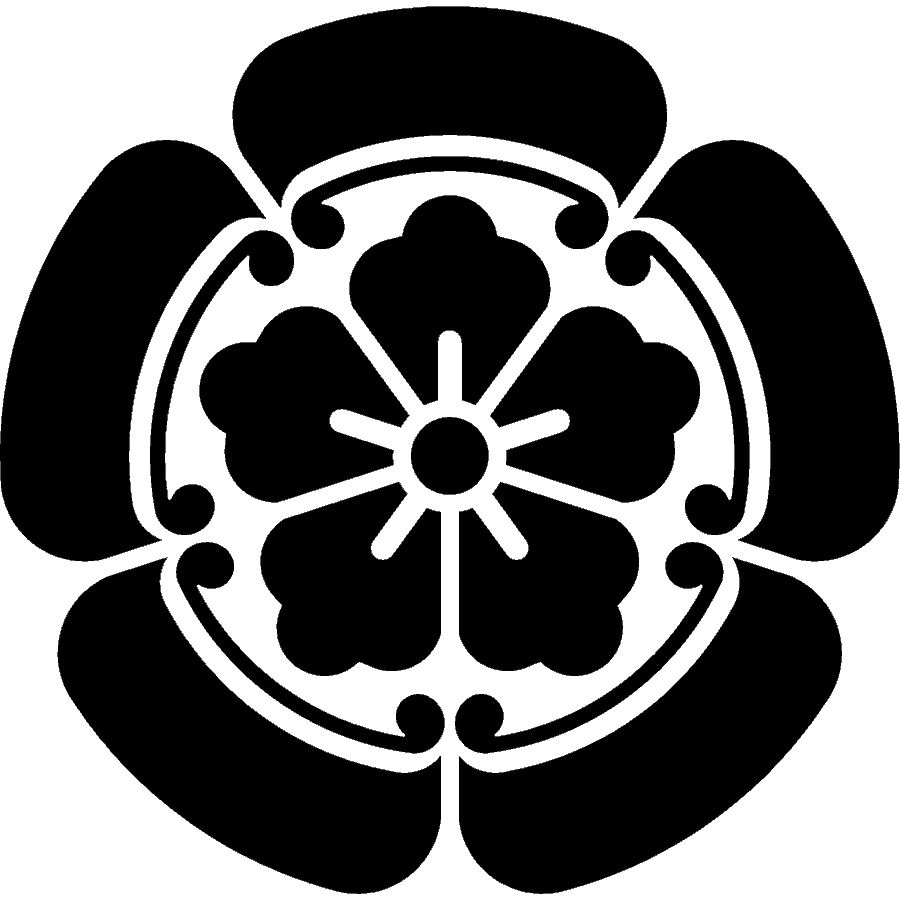
The Tokugawa shogunate was Japan’s military government under the Tokugawa family, ruling from Edo from 1603 to 1868 and giving the Edo period its name. It was led by shoguns rather than emperors, and it controlled the country through a network of allied lords, domain officials, and strict social rules. The system shaped Japanese politics, trade, cities, dress, and craft for more than 250 years.
- Also called the Tokugawa bakufu or Edo bakufu
- Founded after Tokugawa Ieyasu’s victory at Sekigahara in 1600
- Based at Edo Castle, in present-day Tokyo
- Known for long peace, social hierarchy, and controlled foreign contact
- Ended in 1868 with the Meiji Restoration
What kind of government was it?
The shogunate was a feudal military administration, not a modern centralized state. The shogun held real power, while the emperor remained a sacred and symbolic figure in Kyoto. Tokugawa rulers worked through domain lords, called daimyō, who governed their own territories but were watched closely through hostage rules, travel restrictions, and obligations to spend time in Edo.
This balance mattered. It limited large-scale warfare, kept regional elites tied to the capital, and made Edo one of the largest and most orderly cities in the world. The system also encouraged bureaucracy, record keeping, and a strong urban culture, all of which left visible traces in architecture, printing, textiles, lacquerware, and metalwork.
Why does it matter in Japanese visual culture?
The Tokugawa era created stable conditions for craft to develop at scale. Workshops in Kyoto, Edo, Osaka, and other castle towns produced ceramics, swords and fittings, dyed fabrics, paper goods, and woodblock prints for merchants, samurai households, and temples. Because open warfare declined, many martial crafts shifted toward refinement and display: sword guards became miniature surfaces for metal inlay, and armor became as much ceremonial as functional.
The period also shaped taste. Sumptuary laws tried to regulate conspicuous spending, but artisans and patrons responded with subtle materials, fine surfaces, and coded luxury. That tension produced some of Japan’s most recognizable visual language: restrained colors, precise patterning, calibrated asymmetry, and a preference for workmanship that rewards close looking.
What did it look like in practice?
In daily life, the shogunate was visible through processions, checkpoints, temple registers, castle construction, and the grand residences of the daimyō in Edo. It also appeared in objects: family crests on garments, detailed lacquer boxes, polished metal sword hardware, and printed books that circulated city culture. Even when the state did not directly commission art, its rules shaped what makers could sell, wear, or display.
The government’s control over foreign contact had an equally strong effect. Limited trade through Nagasaki brought imported goods, pigments, clocks, scientific instruments, and design influences that entered elite and merchant life in selective ways. Japanese artists and artisans adapted those materials into local forms rather than simply copying them.
How did it end?
The shogunate weakened in the nineteenth century under domestic pressure, foreign military intimidation, economic strain, and political conflict between reformers and loyalists. When power returned to the emperor in 1868, the old military government was dismantled and the Meiji state replaced it with a modernized central administration. That rupture did not erase Tokugawa culture; it made the era easier to name as a distinct historical world.
For museums, designers, and historians, the Tokugawa shogunate remains a useful framework because it explains why so much Japanese material culture from 1600 to 1868 shares a common visual discipline. The period’s objects often combine control and ingenuity: rule-bound in origin, inventive in execution.
Frequently Asked Questions
Is the Tokugawa shogunate the same as the Edo period?
They are closely related but not identical. The Tokugawa shogunate was the government; the Edo period is the historical era defined by that government’s rule. In practice, the two terms often point to the same span of Japanese history.
Who actually ruled Japan under the Tokugawa shogunate?
The shogun and the bakufu, or military government, held real authority. The emperor retained court status and ritual importance, but political and military power sat with the Tokugawa leadership in Edo. Regional daimyō ruled their domains, but under the shogunate’s oversight.
Why is the Tokugawa period important to makers and designers?
It was a long period of peace that allowed craft industries to mature. Cities expanded, markets grew, and artisans refined techniques in woodblock printing, lacquer, dyeing, ceramics, sword fittings, and textiles. Many forms associated with Japanese design today were standardized or made especially influential during this era.
At a glance
- Founded
- March 24, 1603
- Address
- Musashi Province, Japan
Articles mentioning Tokugawa shogunate
