
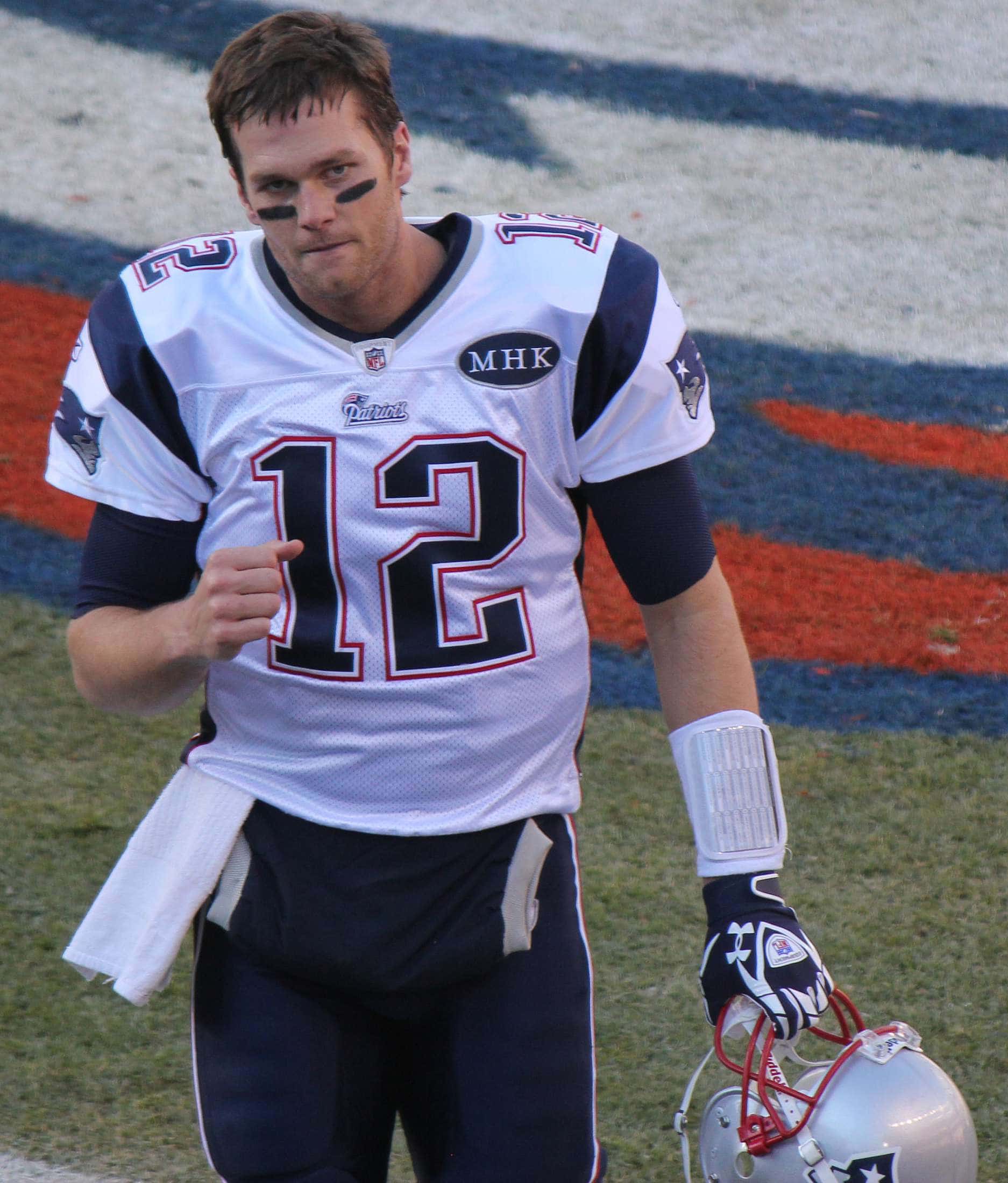
Tom Brady is an American former professional football quarterback, best known for his long run with the New England Patriots and later his time with the Tampa Bay Buccaneers in the National Football League (NFL). He entered the league as a sixth-round draft pick in 2000 after playing college football at the University of Michigan, then became one of the most accomplished players in the sport, with seven Super Bowl wins and a reputation for precision, durability, and relentless preparation.
| Field | Detail |
|---|---|
| Born | August 3, 1977, in San Mateo, California |
| Primary role | Quarterback |
| College | University of Michigan |
| NFL draft | 2000, sixth round, 199th overall |
| Teams | New England Patriots, Tampa Bay Buccaneers |
| Known for | Record-setting postseason success, accuracy, leadership, longevity |
How did Tom Brady become a major sports figure?
Brady did not enter the NFL with the profile of a top prospect. He spent most of his early college career as a backup at Michigan, then rose through performance and persistence rather than celebrity. The Patriots drafted him late, and he took over as starter in 2001 after an injury to Drew Bledsoe. That opening became the start of an unusually long run at the center of American football.
His rise mattered because it overturned a common assumption in professional sports: that draft position neatly predicts career outcome. Brady’s success came from compact mechanics, quick decision-making, and a style that favored efficient passing over raw athletic spectacle. Coaches and broadcasters often described him in terms of detail work—film study, timing, and control at the line of scrimmage.
What did he do on the field?
As a quarterback, Brady organized an offense, read defenses, and delivered passes with minimal wasted motion. He became especially associated with two-minute drills, third-down conversions, and late-game comebacks. His teams frequently used short and intermediate throws, route precision, and matchup exploitation rather than a single dominant physical trait.
At the New England Patriots, he helped define an era of sustained success under coach Bill Belichick. The partnership produced multiple conference titles and Super Bowl championships, and it gave the team a clear visual identity: controlled sideline communication, efficient huddles, and a disciplined, businesslike sideline presence. After moving to Tampa Bay, he won another Super Bowl in the 2020 season, showing that his style could transfer beyond New England.
Why does Tom Brady matter beyond football?
Brady became a public figure because his career blended performance, celebrity, and longevity. He appeared in advertising, fashion editorials, and media coverage that often treated him as more than an athlete. His image—tall, lean, polished, and intensely controlled—fit commercial culture as well as sports culture, which is why he could move easily into lifestyle and fashion contexts such as magazine covers.
He also mattered as a symbol of endurance. Professional football usually shortens careers through injury and physical decline, but Brady played at a high level into his forties. That extended prime changed how teams, analysts, and fans thought about aging, training, diet, and recovery in elite sport.
What does a Brady-era offense look like in practice?
A Brady-led offense usually emphasized timing, repeatable routines, and trust between quarterback and receiver. Linemen protected the pocket long enough for route combinations to develop, while receivers worked precise breaks and option routes. The offense often looked controlled rather than flashy, but that control made it difficult to defend across a full game.
His method also relied on adaptation. He worked with different receiving corps, offensive coordinators, and team styles over two decades, adjusting the tempo and passing plan without losing effectiveness. That flexibility is part of his legacy: less about one signature play than about turning preparation into a repeatable system.
Frequently Asked Questions
Was Tom Brady always considered a great prospect?
No. Brady was not viewed as an elite college star or a high draft pick, and the Patriots selected him late in the 2000 NFL Draft. His career is often cited as an example of talent evaluation missing a player who develops through discipline and opportunity. That origin story is a big part of why his rise drew so much attention.
How many Super Bowls did he win?
Brady won seven Super Bowls: six with the New England Patriots and one with the Tampa Bay Buccaneers. He also appeared in more Super Bowls than any other player, which helped cement his status as the most decorated quarterback in NFL history. Those wins are central to how his career is remembered.
Why does he appear in fashion and magazine coverage?
Brady’s public image has long extended beyond football because he presents a highly managed, polished celebrity persona. That makes him useful to fashion and lifestyle media, which often want figures who signal success, discipline, and broad cultural recognition. His visibility on covers and in campaigns reflects that crossover appeal.
Articles mentioning Tom Brady
