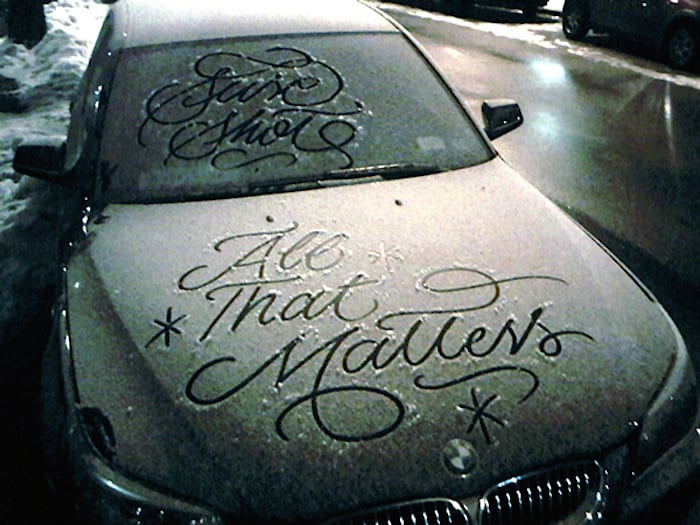
Typography is the art and method of arranging type to generate written language legible, readable and appealing when displayed. The arrangement of type involves selecting typefaces, point sizes, line lengths, line-spacing (leading), and letter-spacing (tracking), and adjusting the space between pairs of letters (kerning). The expression typography can be applied to the style, arrangement, and appearance of these letters, numbers, and symbols made by the procedure. Form design is a closely connected craft, sometimes considered a part of typography; many typographers do not design typefaces, and a few kind designers do not consider themselves typographers. Typography also may be used as a decorative device, unrelated to your communication of information.
Typography is the job of typesetters (also called compositors), typographers, picture designers, artwork directors, manga artists, comic book artists, graffiti artists, and now, anyone who arranges letters, words, figures, and logos for publication, display, or distribution, from clerical workers and newsletter writers to anybody self-publishing materials. Until the Digital Age, typography was a technical occupation. Digitization opened typography to new generations of previously unrelated designers and put users, and David Jury, head of graphic design in Colchester Institute in England, states that “typography is now something everyone does. “As the capacity to make typography has become omnipresent, the use of principles and best practices developed over generations of skilled professionals and workers has diminished. At a time when technological techniques can encourage the proven traditions (e.g., higher legibility with the use of serifs, upper and lower case, contrast, etc.) via understanding the constraints of human eyesight, typography as often encountered may fail to achieve its principal goal: effective communication.
Technology and typography unite within this series of electronic letterforms designed with electronics in your mind. Vinicius Araujo, a picture and motion designer based in…
Mumbai-based illustrator and “paper typographer” Sabeena Karnik creates magnificent typography using quilled paper. Her crisp and angular method relies on accurate geometry and ideally cut…
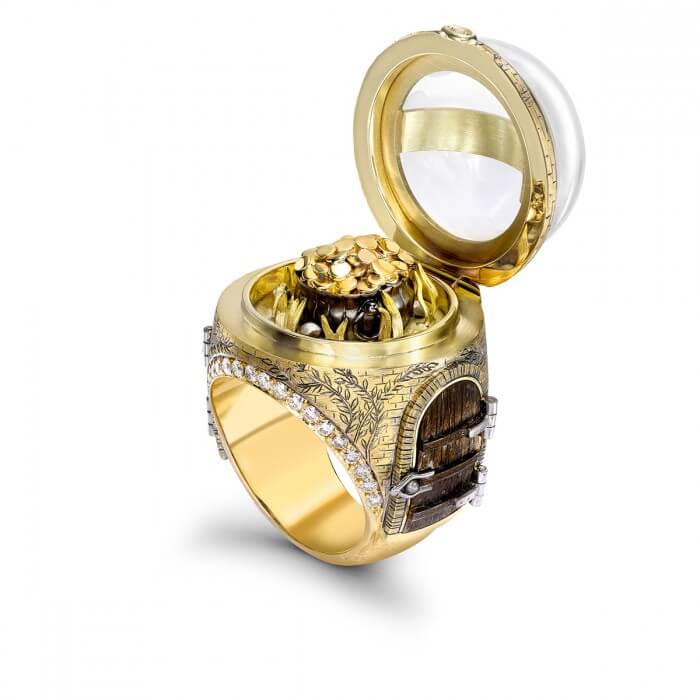
British jewelry designer Theo Fennell has created a whimsical collection of one-of-a-kind “Opening Rings.” With gemstones like diamonds, emeralds, and opals set in bands…
Dexa Muamar shows feelings of hope, determination, and individuality through tiny hand-lettered typography. The designs feature a variable of letterforms, including decorative flourishes, bold…
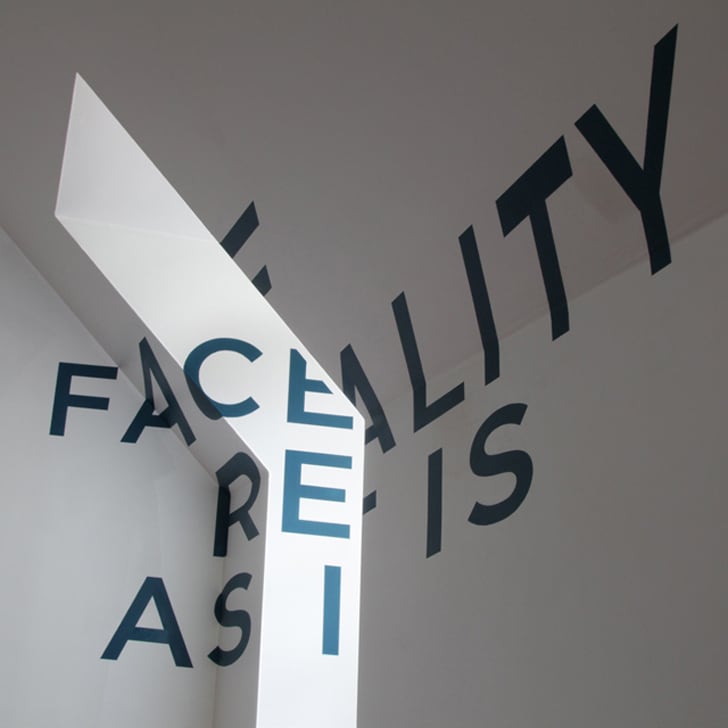
This anamorphic typography project was made by Thomas Quinn, who covered the letters in a room above his parents’ garage. Via Thomas Quinn / illusion.scene360.com
Alex Palazzi for his project “Do not play with your food” explored endless possibilities that lay in food to create beautiful 3D typography sculptures. In…
Hamburg-Germany based illustrator Julian Rentzsch has teamed up with Steffen Heidemann and Viktoria Klein at Stellavie, an independent design studio, to create a unique…