Victoria Abril is a Spanish actor known for moving between commercial television, art-house cinema, and European popular film. Born Victoria Mérida Rojas in Madrid in 1959, she became famous in Spain as a teenage television personality before building a long screen career that made her one of the most recognisable Spanish performers of the late 20th century.
| Born | 4 July 1959, Madrid, Spain |
|---|---|
| Birth name | Victoria Mérida Rojas |
| Occupation | Film and television actor |
| Known for | Spanish television fame, collaborations with Pedro Almodóvar, and a career across Spanish and French cinema |
How did Victoria Abril become famous?
April’s public profile began on television, not in cinema. In 1976 she appeared on the Spanish game show Un, dos, tres… responda otra vez as a secretary, a role that made her instantly visible to a mass audience. That early celebrity gave her a platform, but it also fixed her in a popular-entertainment image that she later tried to leave behind.
She moved into film and gradually built a reputation as a serious actor. Unlike performers who remain tied to a single national industry, Abril worked across Spanish and French productions, which widened her audience and helped define her as a European screen presence rather than only a domestic star.
What kind of actor is she?
Abril is known for directness, intensity, and a screen style that can shift from glamour to abrasion. She has often played women with sharp edges, sexual confidence, or emotional volatility, which made her a strong fit for cinema interested in desire, class, and performance. Her image is not polished in a one-note way; it is expressive, contradictory, and often deliberately difficult.
Her most internationally recognised role came in Pedro Almodóvar’s ¡Átame! (Tie Me Up! Tie Me Down!), a film that depends on physical presence and heightened feeling as much as dialogue. That collaboration matters because Almodóvar’s cinema helped circulate a new idea of Spanish identity on screen: vivid, theatrical, modern, and unafraid of excess. Abril was one of the performers who embodied that style.
Why does Victoria Abril matter in fashion and visual culture?
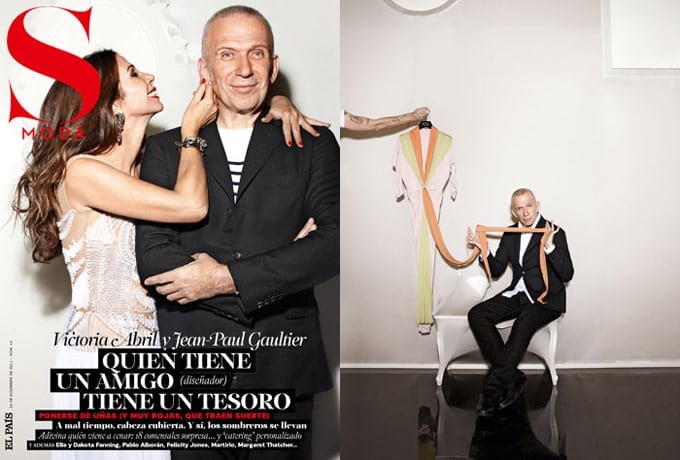
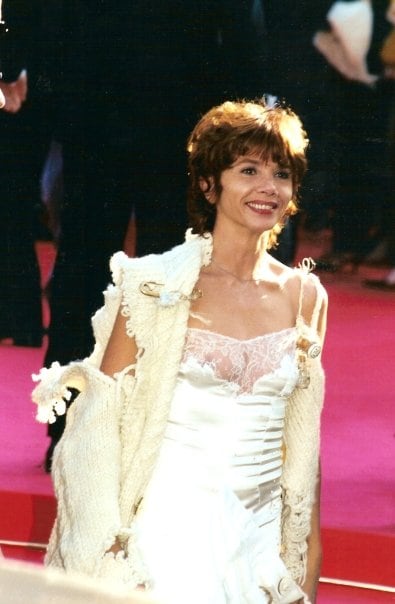
April matters because she helped shape a certain Mediterranean star image: sensual, self-possessed, and distinctly public. In photography, publicity stills, and magazine editorials, she could project both glamour and force, which made her useful to fashion imagery that wanted more than a passive model pose. She did not just wear clothes; she gave them attitude.
Her appearance in editorial work, including fashion-related projects such as those associated with S Moda, shows how cinema figures move into style media as cultural reference points. Designers and magazines often borrow the authority of screen actors because they carry character, narrative, and memory into still images. Abril’s face works that way: it suggests a role even when none is named.
Why did she distance herself from early television work?
Abril has frequently expressed discomfort with the television fame that first made her known. That reaction is common among performers who want to control how their careers are remembered, especially when early work is seen as lightweight or overly commercial. In her case, the dislike seems tied to the contrast between a youthful variety-show image and the more serious film career she later pursued.
That tension is part of her public story. It shows how celebrity can begin in one register and be repurposed in another, with the performer constantly renegotiating what counts as “real” work. Abril’s career is interesting not because it is seamless, but because it reveals the friction between popularity, self-image, and artistic status.
Frequently Asked Questions
What is Victoria Abril best known for?
She is best known internationally for ¡Átame! by Pedro Almodóvar. In Spain, she is also remembered for her early television fame on Un, dos, tres… responda otra vez. Those two phases of her career often stand in contrast: one built mass recognition, the other established her as a screen actor with range.
Was Victoria Abril mainly a Spanish actor?
She began in Spain and remains strongly associated with Spanish popular culture, but her career extended well beyond it. She worked in French cinema as well, which broadened her visibility and gave her a more transnational profile. That cross-border career was important in making her a European rather than purely national star.
Why does she appear in fashion-related articles?
Fashion pages use actors like Abril because they bring personality, narrative, and a ready-made visual identity. Her sharp features, expressive presence, and association with strong cinematic roles make her useful in editorial imagery. She fits fashion storytelling that wants character rather than neutral display.
Articles mentioning Victoria Abril