
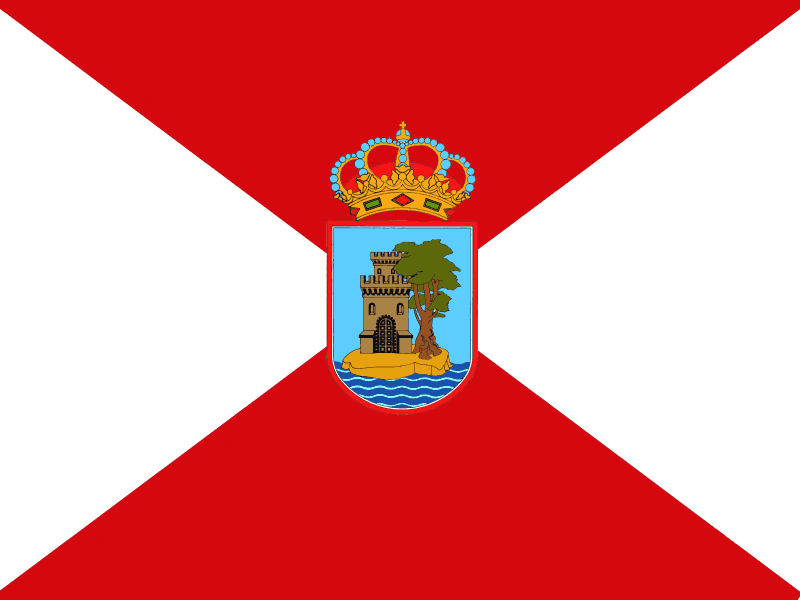
Vigo is a port city and municipality in south-western Galicia, on the Atlantic-facing Ría de Vigo in north-west Spain. It is the largest city in Galicia and a major industrial, fishing, and shipping centre, shaped by the water, the docks, and the steep hills that rise behind the harbour.
| Type | City and municipality |
|---|---|
| Region | Galicia, Spain |
| Setting | On the Ría de Vigo, part of the Atlantic coast |
| Status | Largest city in Galicia; among Spain’s most populous cities |
| Known for | Port activity, shipbuilding, fishing, and a dense urban fabric |
Why Vigo matters
Vigo matters because it has long been a working city rather than a ceremonial one. Its economy has been tied to the sea, especially fishing, canning, maritime trade, and shipbuilding, so the city developed with warehouses, quays, workshops, and transport infrastructure at its core. That practical identity gives Vigo a different visual character from Spain’s more monumental historic centres.
The city also matters in contemporary art and design because it offers a dense, weathered urban surface: concrete retaining walls, stairways, port structures, apartment blocks, and industrial edges. Those features make it a strong setting for works that depend on scale, repetition, and public encounter, including street interventions and temporary installations.
What does Vigo look like?
Vigo sits in a sheltered bay with steep land on one side and open water on the other. The port, cranes, roads, and working waterfront dominate the lower city, while residential districts climb the surrounding slopes. The overall effect is a city compressed between rock and sea, with long views across the estuary and a strong sense of vertical movement.
In practice, Vigo’s built environment mixes older stone streets, postwar apartment blocks, harbour engineering, and large industrial sites. The city does not read as a single preserved centre; it reads as layers of labour, transport, and expansion. That layered look is part of what makes it useful to artists working with urban interventions, because the city already carries visible marks of use and repair.
Where did Vigo come from?
Vigo began as a small settlement around a natural harbour and grew through maritime trade and fishing. Its position on the Atlantic made it strategically useful for commerce, and later for industrial development. Like many Galician coastal cities, its growth accelerated in the modern era as docks, rail links, and manufacturing turned a local port into a regional economic engine.
Over time, the municipality absorbed surrounding areas and became the largest urban centre in Galicia. Today, its identity remains tied to movement: goods arriving and leaving by sea, workers commuting through the metropolitan area, and the city’s physical expansion along roads and slopes rather than around a single historic core.
How Vigo appears in art and public space
Vigo’s streets and retaining walls often act as a ready-made stage for public art, protest, and street culture. Its mix of dense housing, infrastructural surfaces, and exposed concrete gives artists plenty of places where small interventions can be seen at scale. The city’s working character also suits art that comments on labour, urban pressure, and the anonymity of city life.
Isaac Cordal’s tiny cement figures, for example, gain force in a city like Vigo because they can sit on ledges, pipes, and walls as if they are part of the built environment. In that context, the city is not just a backdrop. It becomes a material partner: rough, weathered, and legible enough to make miniature sculpture feel embedded in everyday urban life.
Frequently Asked Questions
Is Vigo a coastal city?
Yes. Vigo sits on the Ría de Vigo, an estuary-like inlet on Spain’s Atlantic coast. Its harbour setting is central to the city’s economy and to its physical form.
What is Vigo best known for?
Vigo is best known for its port, fishing industry, shipbuilding, and role as the largest city in Galicia. It is also known for its steep terrain and dense urban fabric, which reflect a long history of industrial and maritime growth.
Why does Vigo appear in art and design writing?
Vigo appears in art and design writing because it offers a strong urban context for public or site-specific work. Its concrete surfaces, harbour structures, and layered cityscape create conditions where small objects and interventions can stand out clearly.
At a glance
- Address
- Pontevedra Province, Spain
- Coordinates
- 42.231358, -8.712447
Articles mentioning Vigo
