Vogue (British magazine) is the British edition of Vogue, a fashion magazine first published in autumn 1916. It covers clothing, beauty, culture, and celebrity through fashion photography, editorial styling, interviews, and long-form features, and it has become one of the most influential fashion publications in Britain. Vogue UK is both a magazine and a gatekeeper: it helps set the visual language of luxury fashion and signals who counts as culturally current.
- Founded in 1916 as the UK edition of Vogue
- Published in London and aimed at a fashion-minded British readership
- Known for high-production editorials, cover portraits, and trend-setting styling
- Helps shape industry standards in photography, casting, and luxury branding
- Often treated as a marker of status for designers, models, actors, and musicians
Where did Vogue UK come from?
Vogue began in the United States in 1892 as a society and fashion paper, then expanded internationally as fashion publishing grew more commercial and more image-driven. The British edition launched in 1916, during the First World War, when transatlantic style coverage still mattered but needed a local voice. From the start, Vogue UK translated high fashion for a British audience while keeping the magazine’s glossy, aspirational tone.
Its survival across a century of changing media habits says as much about fashion culture as about publishing. Vogue UK became a place where editors, photographers, stylists, models, and designers could build reputations. It also helped define what counted as modern British style at different moments, from aristocratic elegance to punk, supermodel glamour, and celebrity-led fashion coverage.
What does Vogue UK look like in practice?
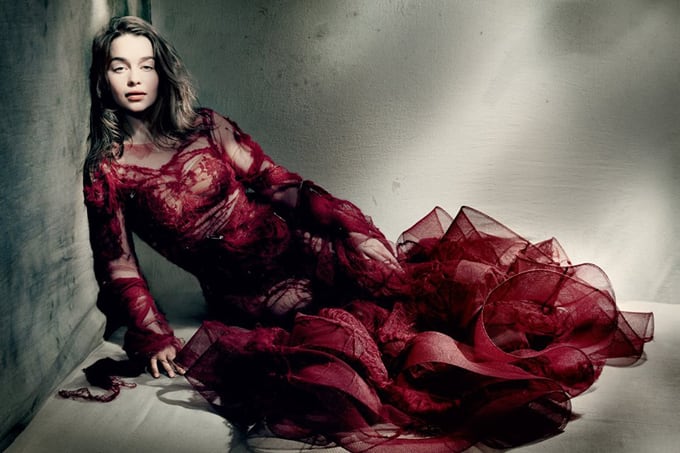
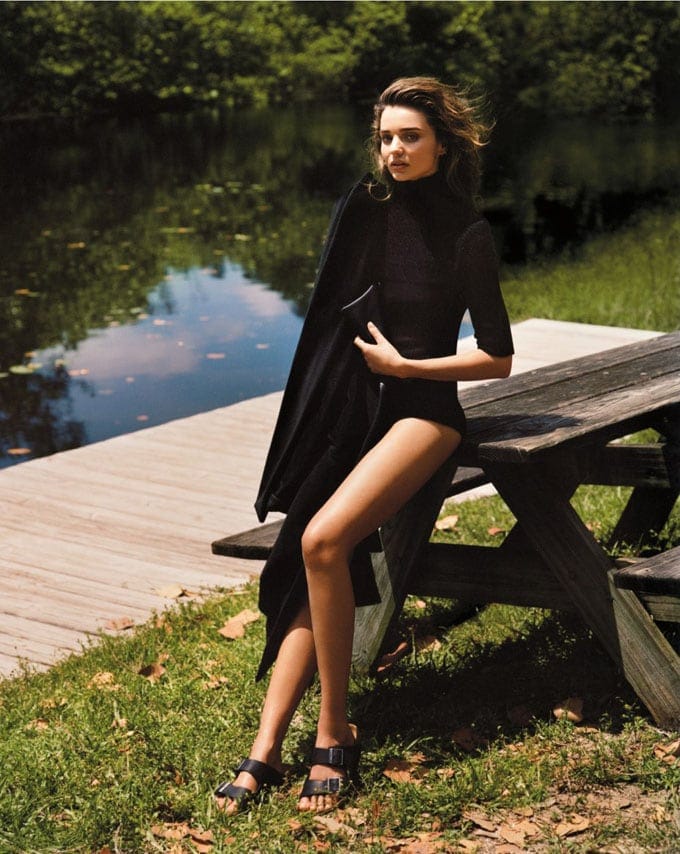
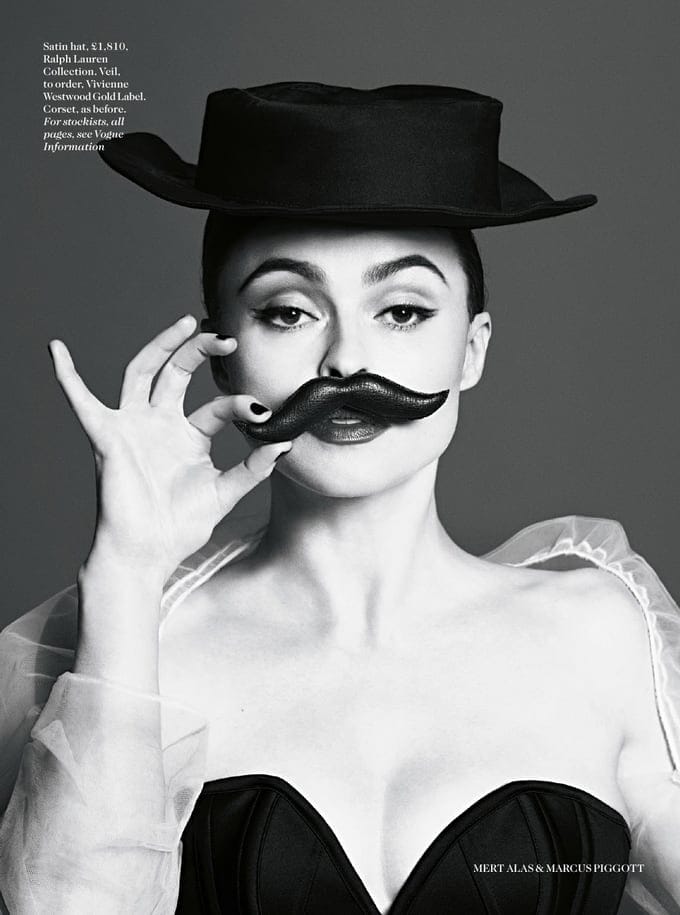
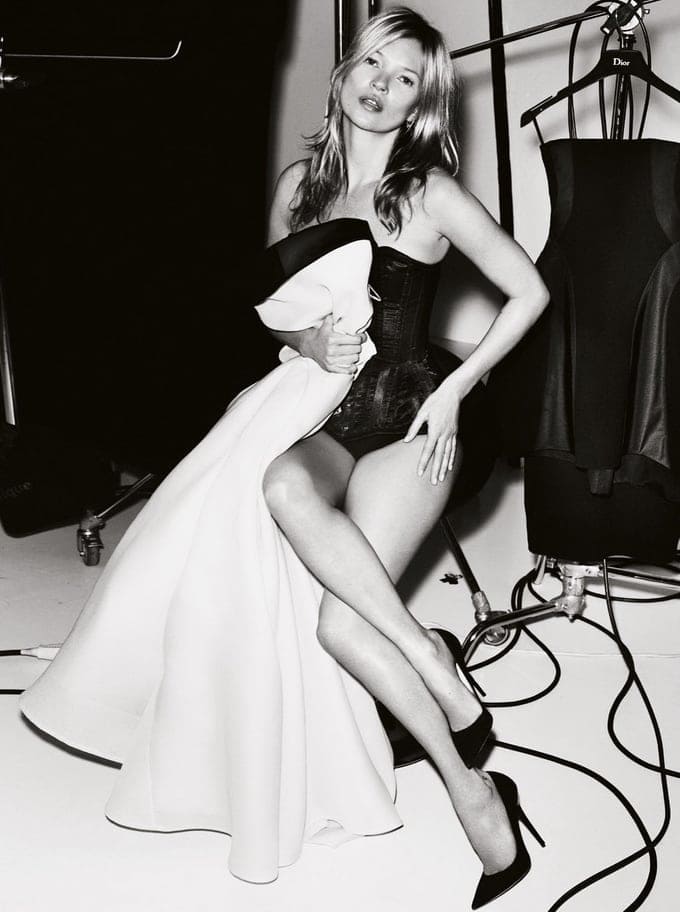
The magazine is built around images. Covers usually feature a single prominent sitter or a tightly controlled group portrait, with photography, hair, makeup, and styling arranged to create a clear editorial character. Inside, shoots combine clothes, props, location, and pose to sell an idea of fashion rather than simply show garments. The writing may include interviews, criticism, and profiles, but the visual construction does most of the cultural work.
Production is collaborative and highly specialised. A typical issue may involve a fashion editor selecting looks, a photographer shaping light and composition, a stylist coordinating sample loans, a set designer building the environment, and a retoucher refining the final image. This makes Vogue UK useful as a record of how luxury fashion is staged, not just worn.
Why does it matter to fashion culture?
Vogue UK matters because it sits near the centre of the fashion system. A cover can elevate a model, confirm an actor as a style figure, or help a designer frame a collection as culturally important. Features inside the magazine can influence how readers, brands, and retailers understand taste, seasonality, and desirability.
Its authority also comes from repetition. Over decades, the magazine has built a recognisable house style: polished, elite, carefully edited, and tied to the social codes of fashion publishing. That style has made it both admired and criticised. Supporters see cultural leadership; critics see exclusivity, narrow standards of beauty, and the commercial interests that sit behind editorial independence.
How has it changed over time?
Vogue UK has changed with the medium around it. Print once carried much of its prestige, but digital publishing, social media, and brand-owned content have altered how fashion imagery circulates. The magazine now competes with influencers, celebrity feeds, and online fashion journalism, even while retaining the authority of the printed cover and the editorial shoot.
Its visual language has also broadened. Earlier decades leaned heavily on aristocratic fantasy and polished glamour; later issues incorporated street style, youth culture, diversity debates, and more overt celebrity coverage. Even with those shifts, the core format remains the same: an edited fashion object that combines commercial imagery with cultural judgment.
Frequently Asked Questions
Is Vogue UK the same as Vogue?
No. Vogue is the global magazine brand, and Vogue UK is its British edition. Each edition has its own editorial team and local focus, even though they share the same publishing identity and visual standards.
The British edition has often had its own influence within the broader brand. It reflects British fashion culture while drawing on the international prestige of the Vogue name.
Why is Vogue UK so influential?
Its influence comes from editorial reach, visual authority, and industry access. The magazine can place a face, a label, or a style direction in front of readers who pay attention to fashion as a cultural system.
It also has the resources to produce high-end editorial work. That combination of money, talent, and prestige gives it a strong position in the fashion world.
What makes a Vogue UK cover distinct?
A Vogue UK cover usually aims for controlled glamour rather than casual immediacy. Lighting, pose, styling, and typography work together to create a polished image that feels both current and aspirational.
The subject may be a model, actor, musician, or other public figure, but the cover treats them as a fashion subject first. The result is less about documentary realism than about producing a cultural image of taste.
Articles mentioning Vogue (British magazine)