
Vulpes is a genus of foxes in the dog family, Canidae, commonly called the true foxes. It includes familiar species such as the red fox and arctic fox, and it is used by biologists to separate these animals from other foxlike canids in genera such as Canis. Members of Vulpes are usually smaller than wolves, coyotes, and jackals, with narrow faces, flatter skulls, and long, bushy tails.
Stories from Vulpes
1 story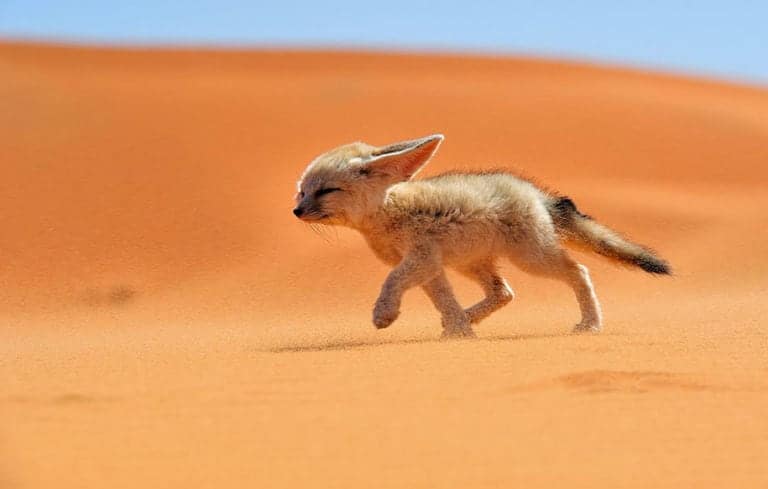
About Vulpes
- Genus of “true foxes” within the dog family, Canidae
- Includes species such as the red fox and arctic fox
- Usually smaller and more lightly built than Canis species
- Often show black markings between the eyes and nose
- Tail tip commonly differs in colour from the rest of the coat
Read the full overviewWhat makes a Vulpes fox different?, Where did the genus come from?, What do Vulpes species look and act like?, Why does Vulpes matter in wildlife culture?
What makes a Vulpes fox different?
The genus is defined by a set of shared anatomical traits rather than by the everyday word “fox.” Species in Vulpes tend to have slimmer bodies, pointed muzzles, and skulls that look flatter than those of larger canids. Many have dark facial markings and a tail with a contrasting tip, features that make them easy to recognise in photographs and field guides.
That distinction matters because “fox” is a loose common name. Some animals called foxes belong elsewhere in the canid family, while members of Vulpes are the group zoologists treat as the core fox lineage. In practice, the name marks a biological relationship, not just a visual resemblance.
Where did the genus come from?
Vulpes comes from the Latin word for fox, which has long shaped the scientific naming of the animal. As naturalists began classifying animals more systematically, they grouped foxes with other canids and then divided them by anatomy and behaviour. The genus became a way to gather the smaller, more foxlike species under one taxonomic label.
That classification still changes as genetic research refines relationships inside the dog family. Scientific names can shift when new evidence shows that a species belongs elsewhere, but Vulpes remains the standard home for the best-known true foxes.
What do Vulpes species look and act like?
Most Vulpes species are adapted for a mixed diet and a flexible life. They hunt small mammals, eat birds, insects, fruit, and carrion, and exploit whatever a landscape offers. Their bodies are built for quick movement rather than force: light frames, sharp hearing, and a cautious, alert posture.
In visual terms, they are strongly linked to a particular fox image: reddish or sandy fur, white underparts, black legs or ear tips in some species, and a tail that seems almost ornamental. Artists, photographers, and illustrators often use that silhouette to signal cunning, speed, or wilderness, even when the species itself lives near farms, roads, or cities.
Why does Vulpes matter in wildlife culture?
Vulpes matters because it names the animals most people imagine when they think of a fox. It gives a scientific frame to a creature that appears constantly in folklore, children’s books, hunting imagery, fashion, and wildlife photography. The genus helps separate myth from biology without losing the animal’s visual power.
For image-makers, the genus also clarifies what is being shown. A fox in a photograph may look generic, but identifying it as a Vulpes species connects the image to a specific evolutionary group, with its own range, coat patterns, and ecological habits. That precision matters in natural history work, and it sharpens the way foxes are represented in visual culture.
Frequently Asked Questions
Are all foxes in the genus Vulpes?
No. The word “fox” is used for several canid species that are not close enough to belong to the same genus. Vulpes contains the true foxes, but other foxlike animals may sit in different genera within Canidae. The common name is broader than the scientific classification.
Is a Vulpes fox the same as a red fox?
The red fox is one species within Vulpes, not a separate category from it. When people say “fox” in everyday speech, they often mean the red fox, especially in Europe and North America. Biologically, it is one member of a larger genus that includes several other species.
How can a Vulpes fox be identified in the field?
Field identification usually relies on a combination of size, shape, coat colour, and habitat. A slender body, pointed face, dark markings on the muzzle, and a tail with a contrasting tip often point toward Vulpes. Exact identification still depends on the species and region, since foxes can look similar across wide areas.