
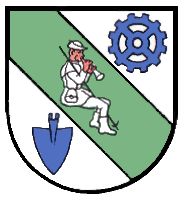
Zuffenhausen is an urban district in northern Stuttgart, best known as the home of Porsche’s main sports-car and racing-car production site. It began as a separate settlement and later city, then was absorbed into Stuttgart as the metropolis expanded, leaving it with a layered identity: residential district, industrial quarter, and automotive place-name recognized far beyond its boundaries.
| Fact | Detail |
|---|---|
| Type | Urban district |
| City | Stuttgart, Baden-Württemberg, Germany |
| Origin | Formerly independent settlement and city |
| First surviving mention | 1204, in a papal document by Innocent III |
| Municipal status | Proclaimed a city in 1907 |
| Known for | Porsche production and automotive industry |
From village to city district
Zuffenhausen first appears in surviving records in 1204, which places it among the older settlements in the Stuttgart region. For centuries it remained a local community rather than part of a major urban core. Its own municipal development continued into the modern period, and it was proclaimed a city in 1907, just before the rapid remaking of German towns and suburbs in the 20th century.
The district’s later fate reflects Stuttgart’s growth. As the city expanded, Zuffenhausen was incorporated into the larger urban structure, losing political independence but retaining a strong local identity. That pattern is common around industrial German cities: older towns become districts, yet their names persist because of factories, rail lines, housing estates, and civic memory.
Why is Zuffenhausen associated with Porsche?
Zuffenhausen matters in design and manufacturing because it is the primary site associated with Porsche’s production. The district is where the company built its reputation on high-performance sports cars, and the name became shorthand for a particular kind of precision-made German automobile. In practice, “Zuffenhausen” can mean not just a place but a production tradition tied to assembly, engineering, and testing.
That association affects how the district is seen. For many people, the place-name evokes metal bodies, clean industrial lines, and the controlled pace of automotive manufacturing more than it does municipal boundaries. The district thus functions as both a geographic location and a brand marker, a rare case where an urban quarter enters global culture through industrial output.
What does the district look like?
Zuffenhausen combines housing, infrastructure, and heavy industry. Its character comes from the mix rather than a single monumental center: streets of local commerce, railway connections, apartment blocks, and factory zones sit near one another. The landscape is shaped by the logistics of urban industry, where transport access and large parcels of land matter as much as civic architecture.
That mixed fabric helps explain why the district has remained visible. The name appears in urban planning, industrial history, and automotive reporting because the place still performs real work. It is not a museum district preserved for show; it is a lived-in part of Stuttgart where production, commuting, and neighborhood life overlap.
What makes Zuffenhausen important?
Zuffenhausen matters because it links local history to global manufacturing. Its early documentary mention, its rise to city status in 1907, and its later incorporation into Stuttgart show the administrative changes common to German urban regions. Its industrial role gives that history contemporary relevance, especially through Porsche’s presence and the dense ecology of suppliers, workshops, and skilled labor associated with automobile production.
For readers of visual culture, the district is also a reminder that design reputations are often anchored in specific places. Objects carry the aura of their origin sites, and place-names can become part of the object’s meaning. Zuffenhausen is one of those names: a district whose identity now travels far beyond Stuttgart through the cars made there.
Frequently Asked Questions
Is Zuffenhausen a city or a district?
It is now an urban district of Stuttgart. It was once a separate city and was proclaimed one in 1907 before later becoming part of the larger municipality. The older status still matters because it helps explain the district’s strong local identity.
Why do car enthusiasts know the name Zuffenhausen?
They know it because Porsche’s manufacturing base is located there. The name has become closely linked with the brand’s sports cars and racing cars, so it often appears as a shorthand for Porsche origin and production quality. In that sense, the place-name functions almost like a badge of authenticity.
How old is Zuffenhausen?
The oldest surviving mention dates to 1204, in a document associated with Pope Innocent III. That does not mean the settlement began then; it only marks the earliest record that survives. Like many European places, its real origins are older than the paper trail.
At a glance
- Address
- Stuttgart, Germany
- Coordinates
- 48.816666, 9.166667