
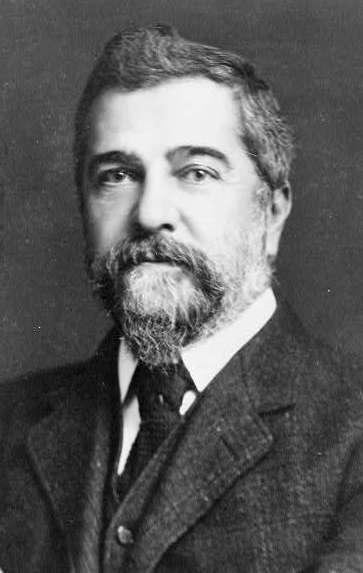
Louis Comfort Tiffany was an American artist and designer best known for stained glass and for helping define the look of American Art Nouveau. He made lamps, windows, mosaics, jewelry, and interiors, and he turned decorative materials into highly finished art objects. His name became especially associated with iridescent glass, layered color, and the use of light as a design material.
| Born | February 18, 1848, New York City |
|---|---|
| Died | January 17, 1933 |
| Nationality | American |
| Known for | Stained glass, decorative arts, lamp design, interior decoration |
| Movement associations | Aesthetic Movement, Art Nouveau |
| Key materials | Glass, lead came, bronze, enamel, ceramics, jewelry materials |
What made Tiffany important?
Tiffany mattered because he helped move decorative arts into the center of modern design. He did not treat glass as a secondary craft. Instead, he used it for pictorial windows, abstract color effects, and domestic objects that were both functional and richly made. His work showed that industrially produced materials and hand craftsmanship could be combined without losing visual intensity.
He also helped shape a distinctly American version of Art Nouveau. European Art Nouveau often relied on whiplash curves and botanical ornament, while Tiffany’s work leaned heavily on luminous surfaces, natural forms, and saturated color. That approach made his designs recognizable at a glance and helped set a standard for luxury interiors in the late nineteenth and early twentieth centuries.
How did he work with glass?
Tiffany’s signature innovation was not one single invention but a disciplined way of building images from glass. He used opalescent glass, which contains multiple colors in one sheet, to create depth without painting every detail by hand. He also used heavily textured glass, plated layers of glass, and carefully chosen lead lines to control the way light moved through a design.
This method mattered most in his lamps and windows. In a Tiffany lamp, each piece of glass is cut and fitted into a copper-foil construction that allows for smaller, more intricate forms than traditional lead came alone. The result is a shaded surface that glows from within, often with dragonflies, irises, wisteria, peonies, or abstract foliage rendered as color and light rather than realistic illustration.
Was Tiffany only a stained-glass designer?
No. Tiffany’s practice extended across decorative interiors, mosaics, ceramics, metalwork, and jewelry. He founded Tiffany Studios, where teams of makers produced windows, lamps, tableware, and architectural decoration under his direction. That studio model is important: many works associated with Tiffany were collaborative, built by designers, glassworkers, metalworkers, and installers working to a common aesthetic.
He also worked on entire rooms and public interiors, where glass, tile, bronze, and painted surfaces were coordinated as a single composition. The best-known surviving example is his own house and estate at Laurelton Hall, where he treated architecture and furnishings as parts of one decorative environment. Even when the objects were separate, they usually shared the same preference for organic form, rich color, and dense surface pattern.
Why does Tiffany still matter?
Tiffany remains important because his work helped define how modern audiences imagine luxury craft. The phrase “Tiffany glass” now describes not just a maker but a visual style: luminous, layered, and carefully balanced between nature study and ornament. His reputation also survives because the objects are technically demanding. The glass is difficult to make and difficult to assemble, and the surviving pieces still show that precision.
His career also reveals how decorative arts became collectible art. Museums, auction houses, and private collectors now treat Tiffany lamps and windows as major works, not minor accessories. That shift reflects a broader change in taste, but it also reflects the endurance of his method. His objects still read clearly under natural or artificial light because they were built around light itself.
Frequently Asked Questions
What is Tiffany glass?
Tiffany glass usually refers to the opalescent, richly colored glass associated with Tiffany Studios and Louis Comfort Tiffany. It often mixes multiple tones in one sheet and may include streaks, mottling, or layered translucency. The material was used to produce windows, lampshades, and decorative panels with a luminous, painterly surface.
Did Louis Comfort Tiffany make every object himself?
No. He directed a studio operation, and many works were made by skilled specialists working from his designs or under his supervision. This was standard for large decorative arts workshops of the period. The authorship is his, but the making was collaborative.
How is Tiffany connected to Art Nouveau?
Tiffany is one of the strongest American figures linked to Art Nouveau because his designs emphasize organic forms, flowing line, and decorative unity. His work does not copy European Art Nouveau exactly, but it shares the same interest in integrating art with architecture and everyday objects. In Tiffany’s case, glass became the main vehicle for that style.