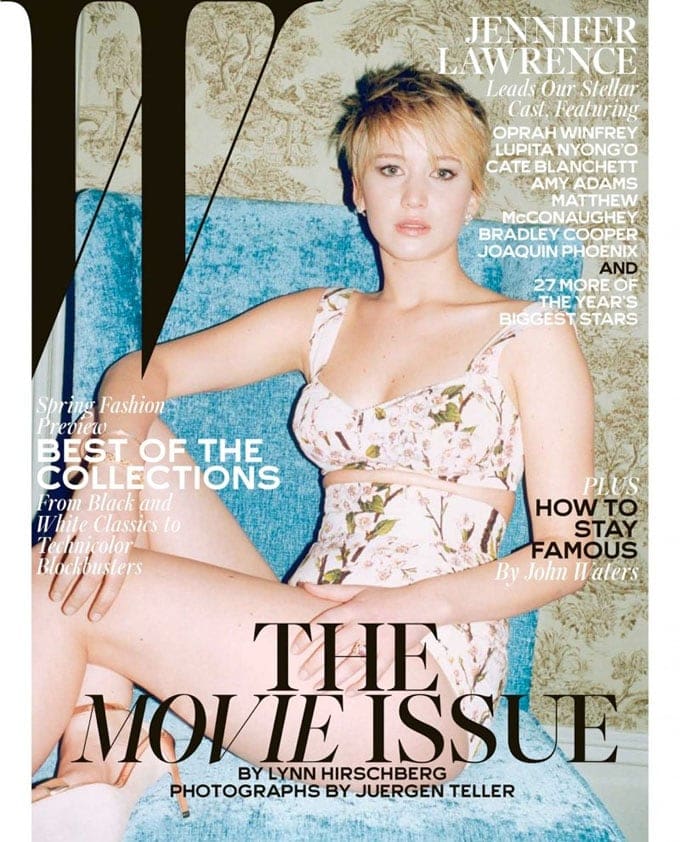
Olivia Wilde is an Irish–American actor and director known for work in television, studio films, and fashion campaigns. She became widely recognized in the 2000s through roles in The O.C. and House, then moved into films and later into directing, where her name became part of conversations about image-making, celebrity, and contemporary screen culture.
| Born | 1984, New York City, United States |
|---|---|
| Nationality | Irish-American |
| Primary work | Actor, director, model |
| Known for | House, Tron: Legacy, Cowboys & Aliens, Booksmart |
| Associated fields | Film, television, fashion editorials, celebrity portraiture |
How did she become a familiar screen presence?
Wilde’s early career followed a route common to many actors who move between television and film: recurring parts, then a breakout role, then increasingly visible studio projects. On House, she played Dr. Remy “Thirteen” Hadley, a part that gave her a distinctive screen identity and linked her to a globally distributed, high-gloss medical drama with a strong visual style. Earlier roles in The O.C. and The Black Donnellys helped establish her as a recognizable face before her film work expanded her audience.
Her filmography includes science fiction, action, and contemporary drama. Titles such as Tron: Legacy, Cowboys & Aliens, and In Time placed her inside big-budget productions that rely on costume, lighting, digital effects, and star image as much as on dialogue. That matters in visual culture because her work often sits where performance meets branding, especially in films designed around a strong look.
Why does Olivia Wilde matter in fashion and media imagery?
Wilde’s public image has been shaped not only by acting but also by fashion photography, red-carpet styling, and magazine portraiture. As a model and celebrity subject, she appears in the same media ecosystem as stylists, photographers, beauty teams, and art directors who turn a person into a repeatable visual identity. Her image has been used to signal coolness, modern femininity, and polish, which makes her relevant to any discussion of how contemporary celebrity is constructed.
For a publication concerned with how things are made, Wilde is useful as a case study in collaborative image production. A finished portrait of her usually depends on wardrobe, makeup, hair, retouching, lighting, and pose, with the actor’s own persona folded into the result. That layered process is central to fashion publishing, where a star is not just documented but shaped into an editorial object.
What changed when she began directing?
Wilde’s move into directing shifted her from being primarily an image on screen to someone helping author the image itself. Her feature directing debut, Booksmart, showed an interest in pace, performance, and framing that came from deep familiarity with screen acting but was not limited to it. Direction changes the kind of labor involved: instead of delivering a role within someone else’s visual system, she was responsible for building that system with cinematography, editing, and production design.
That transition matters because it reflects a broader pattern in contemporary film culture, where actors increasingly cross into directing and producing to gain control over tone and representation. In practical terms, the shift changes how a viewer reads a name attached to a project. Wilde became not only a performer but also a maker, with influence over the look and rhythm of a film from the outset.
What does her career look like in practice?
In practice, Wilde’s career moves across several closely linked industries: television, feature films, celebrity fashion, and promotional photography. She has worked in roles that depend on strong visual packaging, from costuming and set design in genre films to wardrobe-led publicity images in magazines. Her visibility also depends on the machinery of press tours, premieres, and editorial shoots, all of which keep a public persona in circulation.
That combination makes her a typical modern media figure and a useful one to study. She belongs to a generation of performers whose careers are not confined to a single medium and whose images are continuously reissued across screens, print, and social platforms. The result is a career defined as much by visual presentation as by individual performances.
Frequently Asked Questions
Is Olivia Wilde mainly known as an actor or a director?
She is known first as an actor, especially for television roles that made her broadly recognizable. Direction became a second major part of her career once Booksmart established her behind the camera. The public often reads her through both roles now, which is part of why her career is relevant to visual culture.
Why is she associated with fashion media?
Wilde has appeared in editorial fashion contexts as a model and celebrity subject, which placed her within the systems of styling, photography, and magazine production. Those images are not incidental to her public identity; they help define it. Fashion media turns her into a carefully managed visual subject, which is a central concern of FreeYork.
What makes her useful in a discussion of how images are made?
Her career shows how performance, publicity, and authorship overlap. She has been photographed, styled, cast, and later credited with shaping films herself, so her name can point to multiple forms of production. That makes her a good example of how contemporary celebrity is assembled through many kinds of labor rather than through acting alone.
Articles mentioning Olivia Wilde