
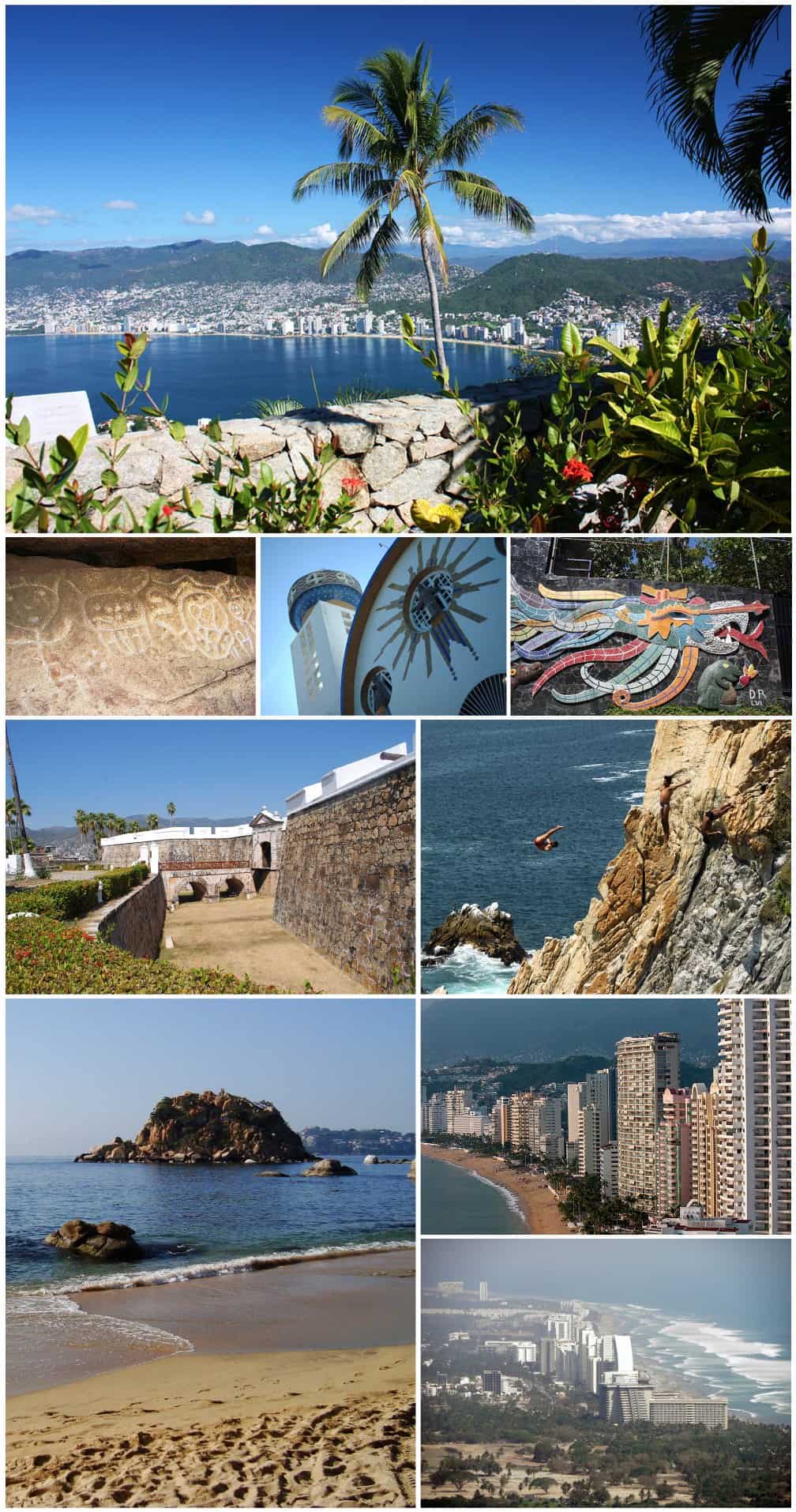
Acapulco is a Pacific port city and municipality in Guerrero, Mexico, known for its deep semicircular bay, long colonial history, and mid-20th-century role as a glamorous resort. Officially called Acapulco de Juárez, it sits about 300 kilometres southwest of Mexico City and has remained important for shipping, cruising, and tourism because of its sheltered natural harbour.
| Fact | Detail |
|---|---|
| Country | Mexico |
| State | Guerrero |
| Type | City, municipality, and seaport |
| Location | Pacific coast, on a deep bay |
| Historic role | Colonial port and later international resort |
| Known for | Harbour, beaches, tourism, and maritime connections |
Why Acapulco mattered
Acapulco became one of the most important Pacific ports in New Spain during the colonial period. Its bay offered secure anchorage, which made it useful for long-distance trade and naval movement. That physical advantage shaped the city’s identity: Acapulco was never just a beach town, but a working port tied to imperial routes and later commercial shipping.
Its name also became shorthand for Mexican leisure in the 20th century. Hotels, clubs, and cliffside houses turned the city into an international destination, especially for visitors from the United States. That tourism boom changed the built environment, adding highways, resorts, and infrastructure designed around seasonal influxes rather than only port traffic.
What does Acapulco look like?
The city is organised around its bay, with dense urban districts rising inland from the waterfront and steep hills framing the coast. The geography creates dramatic views but also limits how the city expands. Roads, terraces, and buildings adapt to the slopes, and many neighbourhoods sit above the shoreline rather than spread evenly across flat land.
In practice, Acapulco reads as a place where port, resort, and dense Mexican city overlap. Large cruise ships and cargo activity share the coast with hotels, beach clubs, market areas, and residential hillsides. The contrast between the sheltered bay and the exposed urban edge is central to its character.
How did it develop?
Spanish colonial authorities used Acapulco as a Pacific gateway early on, and that role gave the town strategic importance out of proportion to its size. Its harbour linked Mexico to transoceanic trade networks, especially routes across the Pacific. Later, as maritime priorities shifted, the city kept its port function but gained a second life as a tourist destination.
The 20th century brought the image that still defines Acapulco for many people: a stylish resort town with modern hotels, nightlife, and a cinematic coastline. That image was powerful, but it also masked the city’s more ordinary realities as a working municipality with infrastructure demands, migration, and unequal development.
Why does Acapulco still matter?
Acapulco remains significant because it shows how geography can shape both trade and spectacle. A single bay supported colonial shipping, later cruise traffic, and resort development, all in the same urban setting. Few places combine those functions so visibly.
It also matters as an example of a place whose reputation outgrew its original economic purpose. Acapulco’s name still carries associations with leisure, maritime access, and Mexican coastal modernity, even as the city has faced storms, violence, and economic pressure. That gap between image and lived reality is part of its history.
Frequently Asked Questions
Is Acapulco a city or a port?
It is both. Acapulco is a city and municipality, and it also functions as a seaport on Mexico’s Pacific coast. The port has been central to its development since the colonial period.
Why is Acapulco famous?
Acapulco became famous first for its sheltered harbour and later for tourism. In the mid-20th century it developed a strong reputation as an upscale beach resort with hotels, nightlife, and cliffside views. That reputation spread internationally and still shapes how the city is remembered.
Where is Acapulco located?
Acapulco is in the state of Guerrero in southern Mexico, on the Pacific coast. It lies about 300 kilometres southwest of Mexico City. Its bay gives the city its distinctive shape and port function.
At a glance
- Coordinates
- 16.8531, -99.8237