


In the heart of Valencia, Masquespacio has redefined what a showroom can be with the Maora ceramic gallery. Completed in June 2025, this 60-square-metre space at Calle Montornés 11 is more than just a display area—it’s a tribute to the history embedded in its handmade tiles.
The collaboration between Masquespacio and Maora began long before this project, fostering a unique vision where the tiles are not merely set pieces but part of an ongoing story. Ana Hernández and Christophe Penasse were entrusted by Amparo, the founder of Maora, to create a space that does justice to the craftsmanship of these ceramic pieces.

Conceptualizing ‘Fragments of Tradition’
The guiding principle, “Fragments of Tradition,” sees the building’s historical features not as challenges but as narrative elements. Inclined walls and low ceilings become part of this storytelling, treating each tile as an archeological find rather than a decorative afterthought. This approach mirrors Masquespacio’s earlier projects, such as their Egeo Souvlaki venture in Madrid.

On the floor, unglazed terracotta paired with glazed stripes conjures impressions of both raw earth and refined art, establishing a craft-oriented language. Walls are covered in an assortment of glazed pieces that showcase Maora’s range, emphasizing their work as both art and archive.
Explore how smartphone design merges minimalism with art for a seamless user experience.

Colour and Composition
The colour scheme from warm terracotta to pale beige is artfully restrained, allowing the ceramic hues to stand out prominently. This editorial choice ensures the ceramics articulate their rich history and craftsmanship without being overshadowed.

“We wanted to create a dialogue between the history of the building and Maora’s artisan tradition,” explains Ana Hernández. Each piece is more than a tile; it is a fragment, a story waiting to be discovered by you.

Turning Constraints into Design Features
The inclined walls—typically viewed as architectural setbacks—are embraced and celebrated as symbols of the layers of time. By working with these features rather than against them, Masquespacio ingeniously integrates Maora’s ceramic pieces as ‘geological strata’ within the space.
For another take on minimalist Japanese interiors, see how a Tokyo townhouse reimagined exposed timber using similar construction techniques.
In doing so, the showroom operates both as a commercial gallery and a profound statement on the cultural heritage of Valencian ceramics, transforming traditional constraints into integral design elements.

A Cultural Ode to Craftsmanship
Maora’s showroom is an ambitious design statement on the importance of surroundings in showcasing handmade objects. Every surface—walls, floor, and ceiling—becomes a curated canvas where constraints are materials to be celebrated, and history is the central theme.
In creating this space, Masquespacio offers you a compelling interaction with the artisan world of ceramics, proving that even the most challenging spaces can yield extraordinary beauty.

Source: urdesignmag.com
More in
Interior Design
All Interior Design


More in
Architecture
All Architecture


More like this

Transform Your Home with These Designer Pet Essentials: From Stylish Cat Trees to Smart Vacuums

Transform Your Tiny Space with These Five Ingeniously Designed Home Accessories

Timber Marvel: Negrilla House by Croxatto and Opazo Architects Captures Pacific Vistas

Bétyle Studio's Timber Marvel: Revamping a Parisian Eatery with Catalan Flair
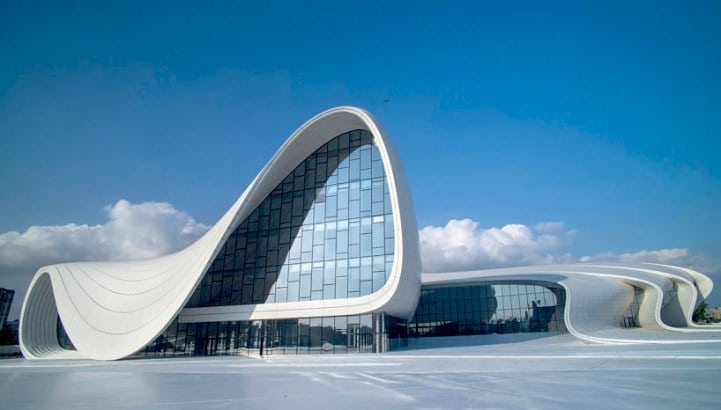
Zaha Hadid's Fluid New Cultural Center For Azerbaijan
