British illustrator Laura Wesson graduated from the University of Westminster in 2008 with a degree in Illustration, and in the years that followed she built a body of work that placed her among the more distinctive voices in contemporary fashion illustration. Working from Australia, where she relocated after her studies, Wesson developed a style that drew equally on her fine art training and her deep engagement with fashion culture.
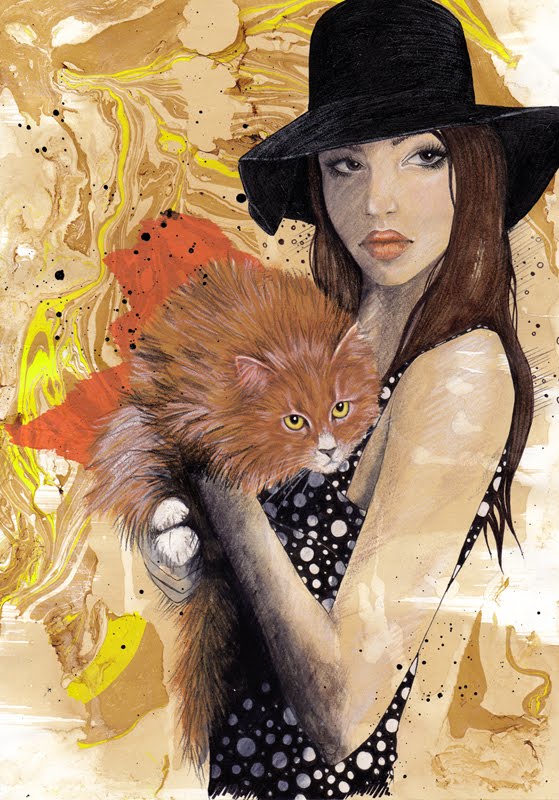
Style and Sensibility
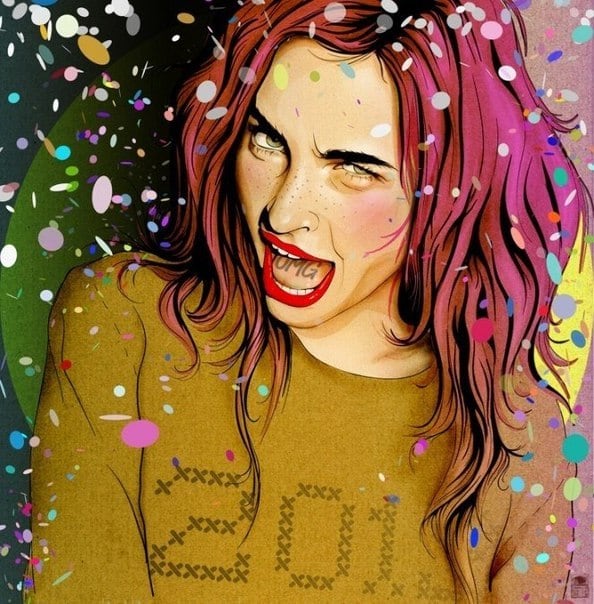
Wesson’s illustrations are defined by an economy of line that belies the complexity of what they communicate. Her figures are elongated and gestural, inhabiting their clothes with the kind of easy authority that separates a strong fashion illustration from a merely competent one. She works across a range of media, but in each case the effect is the same: a visual confidence that feels earned rather than affected.
Her color sensibility leans toward the restrained — muted palettes punctuated by precise accents — which gives her work a quiet elegance that reads well both in print and on screen. The restraint is deliberate: Wesson understands that in fashion illustration, knowing what to leave out is as important as knowing what to put in.
Fashion as Inspiration
For Wesson, fashion is not simply a subject but a lens through which to examine movement, identity, and the construction of image. Her work carries an awareness of fashion history — you can see it in the silhouettes she favors and the period references she folds into contemporary contexts — but it never tips into nostalgia. The illustrations feel current because Wesson is genuinely interested in what fashion means now, not what it meant.
A Distinctive Position in Contemporary Illustration
Fashion illustration occupies an unusual position in the visual arts. Long overshadowed by photography, it has undergone a sustained revival as both a commercial and fine art form. Illustrators like Wesson represent the best of that revival: practitioners who take the discipline seriously as an art form while remaining entirely fluent in the commercial contexts in which fashion imagery circulates.
Wesson’s work rewards sustained attention. The more you look, the more deliberate each mark appears — evidence of a practiced hand guided by a genuinely discerning eye. For anyone with an interest in where fashion illustration is heading, her output provides a compelling answer.
More in
Art
All Art