


Public restrooms often suffer from neglect, despite their crucial role in daily life. They’re built, cleaned sporadically, and any issues in between are just accepted. South Korean designers Yangwoo Choi and Ye Jin Lee aim to change this narrative with “Spot,” a concept for an autonomous cleaning robot designed specifically for public restrooms.
Spot: Immediate Response to Restroom Needs
Spot is designed to detect contamination after a user exits and clean the area autonomously. This robot addresses the gap between scheduled cleanings, a common failure in public restroom maintenance. By focusing on the real-time need rather than fixed schedules, Spot offers a solution for facilities managers dealing with high traffic.

A Thoughtful, Minimal Design by South Korean Designers
The robot’s compact form in a calming blue is intentional, aiming to blend into the restroom environment without drawing attention. It’s a clean and efficient design that complements a space designed for quick, thoughtless passage.


Real-Time Detection Over Routine Cleaning
The novelty of Spot lies in its contamination detection capabilities, distinguishing it from existing machines that rely on timers or fixed routes. This reactive approach is a game-changer in maintenance, especially in high-traffic environments such as airports, train stations, and malls, where human-managed schedules can’t keep pace with use.


Supporting Human Effort, Not Replacing It
Instead of systems poised to replace staff, Spot supports the redirection of effort. With the robot handling between-visit cleanings, human workers can concentrate on more detailed maintenance tasks. This division allows for a higher standard of care that machines can’t replicate.


Challenges and Future Opportunities
While progressing beyond the concept stage presents challenges such as sensor reliability and cost, Spot shines a light on a glaring issue and proposes a viable direction for innovation. Such projects highlight South Korean designers tackling overlooked problems with serious intent.


A Vision for Functional Design
Spot isn’t just about aesthetics. It’s about improving specific, challenging experiences in public spaces. This design prioritizes functionality and real-world application, potentially influencing the future of public restroom maintenance worldwide.

Design talents Yangwoo Choi and Ye Jin Lee deserve recognition for their innovative solution, which transcends conventional design boundaries. Through projects like Spot, they’re crafting meaningful change, illustrating how thoughtful design can address practical issues and enhance everyday experiences.

If you appreciate the forward-thinking design of “Spot,” explore how customizable office furniture reflects innovation in everyday functionality.

To see how technology can revolutionize traditional practices, check out transformations of traditional Azerbaijani carpets into art.

Source: yankodesign.com
Frequently asked questions
What problem does the Spot robot aim to solve?
Spot is designed to detect contamination in public restrooms after a user exits and clean the area autonomously. It addresses the gap between scheduled cleanings and provides real-time maintenance in high-traffic environments.
How does Spot differ from existing cleaning machines?
Spot’s novelty lies in its contamination detection capabilities, which distinguishes it from existing machines that rely on timers or fixed routes. This reactive approach is beneficial in high-traffic areas where human-managed schedules can’t keep pace with restroom use.
What are some challenges facing the Spot robot?
Challenges for Spot include sensor reliability and cost as it progresses beyond the concept stage. Despite these challenges, Spot highlights a direction for innovation in addressing overlooked issues in public restroom maintenance.
More in
Design
All Design


More like this
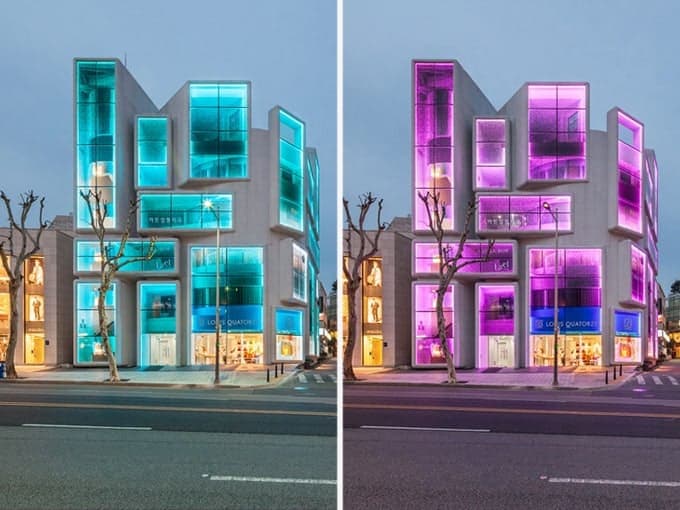
Gangnam building in Seoul

Ilhwa Kim creates landscapes from thousands of composed paper seeds

Taehyoung Maria Jeon Transforms Everyday Flora into Vibrant Digital Fantasies

South Korean Illustrator Creates Sensual Illustrations So Good You Can Almost Feel It

MossLab's Modular Moss Panels: Innovative Design for Customizable Green Interiors
