
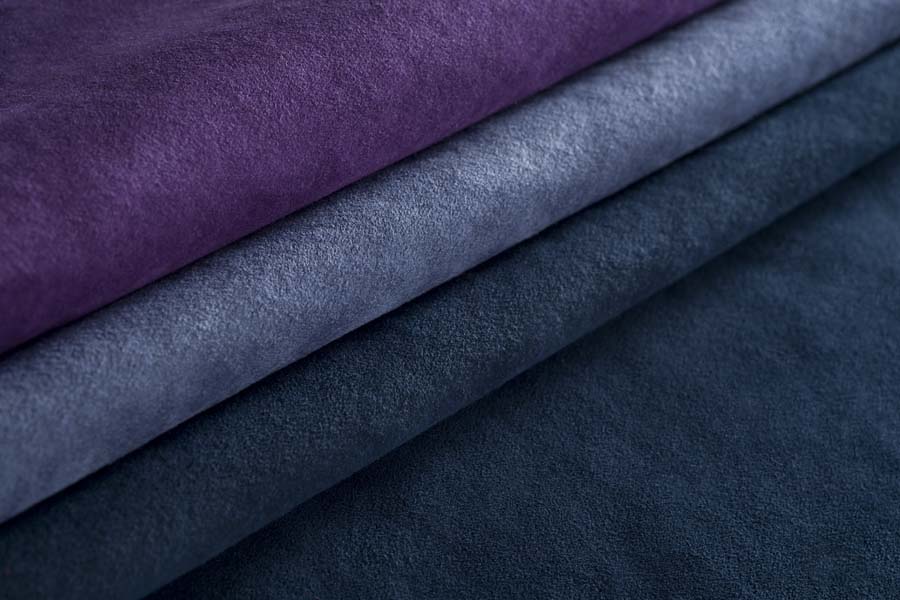
Alcantara is a synthetic suede-like composite material used to cover seats, dashboards, panels, clothing, and luxury accessories. It combines a soft nap with high durability, making it popular anywhere a maker wants the look and hand of suede without using animal leather. The name is also a registered trade name, so in product descriptions it often signals a branded upholstery or trim material rather than a generic textile.
- It was developed in the early 1970s by Miyoshi Okamoto at Toray Industries.
- It is designed as an artificial substitute for suede leather.
- It appears most often as automotive trim, but also in interiors, fashion, and product design.
- Its value comes from a balance of softness, grip, wear resistance, and relatively easy maintenance.
- It is part of a wider family of synthetic microfiber materials, including Toray’s Ultrasuede.
Where did Alcantara come from?
Alcantara emerged in Japan in the early 1970s, when chemical and textile research pushed synthetic materials to mimic the surface qualities of natural fabrics more convincingly. Miyoshi Okamoto, working for Toray Industries, developed it as a variation on Ultrasuede, Toray’s own microfiber suede introduced around the same time. The material’s commercial life later expanded through a separate brand identity associated with the name Alcantara.
That origin matters because it places Alcantara in the history of advanced polymers and microfiber textiles, not in traditional tanning or weaving. Its appeal depended on controlled manufacturing: fine synthetic fibers, a nonwoven base, and a surface treatment that produced the familiar short, velvety pile.
What does Alcantara look and feel like?
Alcantara has the visual effect of suede: matte, softly grained, and slightly nap-heavy, with a surface that changes tone when brushed in different directions. It usually appears in deep neutrals such as black, charcoal, tan, or brown in automotive use, but it can be dyed in a wide range of colors for interiors, fashion, and consumer products.
In practice, designers choose it for touch as much as for appearance. It feels dry and grippy rather than slick, which makes it useful on steering wheels, armrests, camera grips, headphones, and instrument panels. It also photographs well under hard lighting, where its texture reads clearly without the shine of leather or coated vinyl.
How is it made and used?
Alcantara is a composite microfiber material, typically made from a blend of polyester and polyurethane. The structure gives it flexibility and abrasion resistance while allowing a finish that resembles suede. Unlike natural suede, it does not come from a hide, so it avoids the grain patterns, stretching behavior, and maintenance needs of leather-based materials.
Its manufacturing makes it especially useful in sectors that need repeatable surface performance. In cars, it covers bolsters, headliners, dashboards, and steering interfaces. In fashion and product design, it appears on shoes, bags, furniture, and electronics where makers want a tactile, premium surface that can be cut, laminated, and wrapped cleanly around complex forms.
Why do designers use it instead of leather?
Designers often choose Alcantara for practical reasons first. It is lighter than many leather assemblies, can be specified for consistent color and texture, and offers better grip in places where a smooth finish would slip. It also allows a more technical aesthetic, which is why it appears so often in performance cars, concept interiors, and high-end industrial design.
There is also a maintenance argument. Natural suede can stain, flatten, or wear unevenly, while Alcantara is generally easier to clean and more stable under heavy use. The tradeoff is that it is a synthetic material with its own manufacturing footprint, and its premium image depends on careful specification and finishing rather than on natural origin.
Frequently Asked Questions
Is Alcantara the same as suede?
No. Suede is made from the underside of animal hide, while Alcantara is a synthetic microfiber composite. The two share a similar soft, napped look, but they differ in origin, performance, and maintenance. Alcantara is engineered to imitate suede’s appearance while improving consistency and durability.
Why is Alcantara so common in cars?
Automotive designers like it because it combines grip, visual softness, and resistance to wear in a material that can cover complex shapes. It works well on steering wheels, seats, dashboards, and roof liners, especially in performance cars where a technical interior matters. The material also supports a restrained, high-end finish that reads as purposeful rather than decorative.
Is Alcantara an everyday name or a brand?
It is both a material people refer to generically and a registered trade name tied to a specific product line. In technical or commercial contexts, the brand distinction matters because specifications can differ between branded Alcantara and other suede-like microfibers. In casual use, the name often stands in for any similar soft synthetic trim material.
Articles mentioning Alcantara (material)


