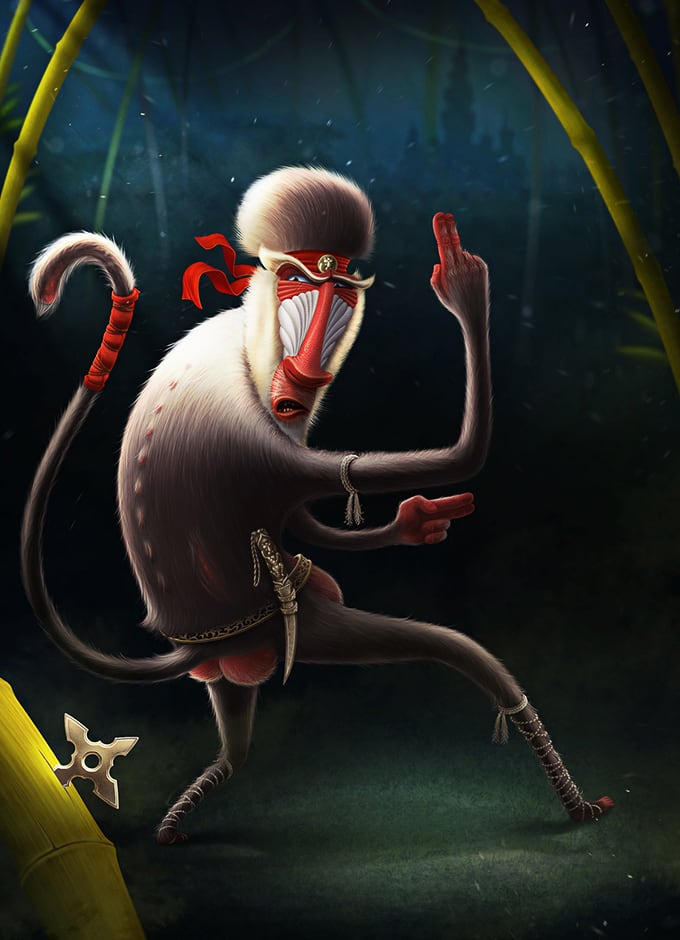
Aleksey Baydakov is an illustrator known through his published image-making rather than through a large public record of exhibitions, studios, or manifestos. He belongs to the practical world of editorial and commercial illustration, where drawings and digital artwork are built to support articles, concepts, and stories with a clear visual idea.
| Field | Illustration |
|---|---|
| Known for | Published illustration work |
| Medium | Likely drawing and digital production, as used in contemporary illustration practice |
| Public profile | Limited publicly documented biographical detail |
| Where he appears | Credit lines and article contexts |
What an illustrator like Aleksey Baydakov does
An illustrator turns ideas into images for print and screen. That can mean a magazine opener, a commissioned scene, a conceptual drawing, or a visual explanation that makes a subject easier to read at a glance. In this field, the work often has to carry tone as well as information: it can be precise, symbolic, playful, or atmospheric, but it still has to serve the writing or brief it accompanies.
Baydakov’s name surfaces as a working illustrator, which places him among the image-makers who make editorial culture legible. Illustration is usually made under direction, with deadlines, references, and a clear use case. The finished image may look spontaneous, but it often depends on careful sketching, composition, and digital refinement before it reaches publication.
What does his work look like in practice?
Because Baydakov is not widely documented as a public persona, the best way to understand him is through the conditions of illustration itself. Published illustration commonly starts with a brief, then moves through rough sketches, revisions, and final artwork prepared for reproduction. Depending on the assignment, that final stage may involve vector drawing, digital painting, collage, or a hybrid workflow that combines hand-drawn marks with digital editing.
In article-driven publications, illustrators are often asked to make an abstract topic visible without becoming literal. A good illustration can clarify a mood, establish hierarchy on a page, or create an entry point into a dense subject. Baydakov’s role, as indicated by his credit, sits inside that process: making an image that reads quickly, supports the text, and adds a distinct visual voice.
Why illustrators matter in visual culture
Illustrators matter because they shape how information feels as much as how it looks. Unlike photography, which records a found scene, illustration can invent a scene from scratch, condense several ideas into one picture, or exaggerate a detail for emphasis. That makes it useful for editorial publishing, identity work, books, advertising, and cultural institutions that need an image with a specific point of view.
Baydakov’s relevance, then, is less about celebrity than about authorship inside a production system. An illustrator’s hand can steer the tone of a story, determine whether a subject feels analytical or whimsical, and give a publication a recognisable visual rhythm. In that sense, the work is both craft and communication: drawing done with editorial purpose.
How to place him in context
Baydakov should be understood as part of contemporary illustration practice rather than as a standalone movement or school. The field now includes digital-first workflows, cross-disciplinary commissions, and images that move easily between web, print, and social formats. That environment rewards clarity, speed, and adaptability, while still leaving room for a personal line, palette, or compositional habit.
For readers coming across his name in a caption or credit, the important point is straightforward: Baydakov is one of the people who make the visual language of publication possible. His work exists at the junction of drawing, design, and editorial communication, where images are not decorative extras but part of how meaning is built.
Frequently Asked Questions
Is Aleksey Baydakov an artist or an illustrator?
He is identified here as an illustrator, which means his work is made for communication as well as expression. An illustrator may still be an artist in a broader sense, but the label points to a professional role tied to briefs, publishing, and image production.
What kind of medium does he use?
Publicly available detail is limited, so a specific medium cannot be confirmed from the name alone. Contemporary illustrators commonly work with drawing, digital painting, vector tools, or mixed methods, and Baydakov’s published output should be understood within that practical range.
Why is there so little biographical information?
Many illustrators are encountered mainly through their credits rather than through long public biographies. That is common in editorial and commissioned work, where the image is visible but the maker’s personal history is not always widely circulated. The absence of detail does not reduce the importance of the work; it only means the record is sparse.
Articles mentioning Aleksey Baydakov