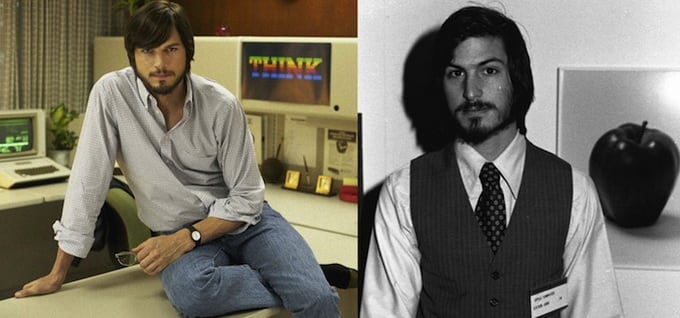
Ashton Kutcher is an American actor, producer, former model, and entrepreneur whose fame grew through television comedy, studio films, and celebrity-driven fashion campaigns. He became widely known for playing Michael Kelso on That ’70s Show, then expanded into producing and hosting with Punk’d. Outside entertainment, he has also become visible for work in technology investing and anti-trafficking advocacy.
- Best known first as a sitcom actor, then as a host and producer.
- Started as a fashion model before moving into screen work.
- Appears often in fashion and advertising contexts because of his celebrity profile and clean-cut image.
- Associated with early-2000s pop culture, prank television, and mainstream menswear branding.
How Ashton Kutcher became a public figure
Kutcher entered public life through modeling, which gave him early exposure to fashion photography, styling, and the commercial image-making industry. That route mattered: unlike actors who arrived through theatre or formal screen training, he entered entertainment through look, persona, and camera presence. The transition from model to actor was common in the late 1990s and early 2000s, when fashion and television increasingly traded personalities.
His breakout role as Michael Kelso on That ’70s Show made him a familiar face in homes far beyond film audiences. Kelso was written as dim, impulsive, and physically expressive, and Kutcher played him with broad comic timing. The role fixed his public image for years: affable, handsome, slightly unserious, and easily adapted to light comedy or branded entertainment.
What did he do besides acting?
Kutcher helped create and host Punk’d, a hidden-camera prank show that became one of the defining celebrity formats of the 2000s. The series depended on surprise, controlled production, and the performance of authenticity: a target believed an event was real while the camera captured the reaction. Kutcher’s role was not just as presenter but as a producer shaping tone, pace, and the show’s blend of cruelty and play.
He also moved into producing and business, especially in technology investments and startup culture. That matters in a reference sense because his public persona no longer sits only inside entertainment. He became one of the early examples of an actor using celebrity as a platform for venture capital, public speaking, and social causes. That shift helped define a newer kind of media figure: part performer, part investor, part brand.
Why does Ashton Kutcher appear in fashion and advertising?
Fashion campaigns use Kutcher for familiarity, youthful masculinity, and a polished but approachable image. He fits a commercial lane that values recognizability without visual excess: he can stand in for casual confidence, American sportswear, or contemporary menswear. In editorial and advertising photography, that makes him useful when a brand wants an image that feels mainstream rather than avant-garde.
His appearance in campaigns such as Colcci’s reflects a wider pattern in fashion media, where celebrity casting can communicate mood faster than garments alone. A model with strong editorial range may sell silhouette or attitude; a celebrity like Kutcher sells immediate cultural association. The clothes matter, but so does the story attached to the face wearing them.
What does his public image look like in practice?
Kutcher’s image is built from contrast: prankster and businessman, sitcom fool and serious investor, mainstream heartthrob and campaign model. That mix has made him highly adaptable, especially in commercial culture that prefers public figures who can be read quickly. He is not usually associated with experimental performance or difficult roles; he is associated with accessibility, timing, and marketable familiarity.
In practical terms, his image appears in sitcom reruns, film comedy, celebrity-hosted formats, publicity stills, and advertising campaigns. The visual language around him is typically clean and contemporary: casual shirts, simplified styling, direct-to-camera expressions, and a friendly, non-threatening masculinity. That consistency has helped keep him legible across several industries, even as his career moved away from any single one.
Frequently Asked Questions
Is Ashton Kutcher mainly an actor or a businessman?
He began as an actor and model, and acting remains the foundation of his fame. Over time, he added producing, hosting, and investing, which gave him a wider public identity. In cultural terms, he is best understood as an entertainment figure who later moved into business and advocacy.
Why is he important to fashion writing?
Kutcher is useful to fashion media because he represents a particular kind of celebrity male image: approachable, photogenic, and commercially flexible. Brands cast him when they want recognition without requiring a highly stylized or subversive persona. His career also shows how modelling can lead into advertising and brand work across other media.
What is he most associated with visually?
He is most associated with late-1990s and 2000s celebrity culture: sitcom fame, prank-show celebrity, and glossy mainstream campaigns. Visually, that means clean styling, easy expressions, and a look that reads as casual rather than theatrical. That has made him a durable face in both entertainment and advertising.
Articles mentioning Ashton Kutcher