
Bend is a city in central Oregon, the county seat of Deschutes County, and the largest urban centre in Central Oregon. It grew from a timber and mill town on the Deschutes River into a regional hub for outdoor recreation, light industry, tourism, and craft production. Its setting in the high desert, with volcanic rock, pine forests, and wide skies, shapes both its economy and its visual identity.
Stories from Bend, Oregon
2 stories
About Bend, Oregon
| Fact | Detail |
|---|---|
| Location | Deschutes County, Central Oregon, United States |
| Status | County seat and principal city of the Bend metropolitan area |
| Landscape | High desert near the Cascade Range, with river corridors, volcanic terrain, and forested uplands |
| Known for | Outdoor recreation, rapid growth, craft culture, and a strong connection between built form and landscape |
Read the full overviewWhy Bend grew here, What does Bend look like in practice?, Why do makers and designers care about Bend?, How Bend changed from mill town to creative hub
Why Bend grew here
Bend developed where the Deschutes River could support logging, milling, and later hydropower and recreation. The river corridor gave the town a practical reason to exist; the surrounding plateau gave it room to expand. As rail, roads, and tourism improved access, Bend shifted from a service town for extraction and transport into the administrative and commercial centre of the region.
That growth accelerated in the late twentieth century and early twenty-first century as more people moved to Central Oregon for climate, scenery, and work. Bend’s population rose quickly, but the city still feels closely tied to its geography. Snowy Cascade peaks sit close to dry sage country, and that contrast helps explain the city’s appeal to makers, athletes, and visitors who come for outdoor life as much as for urban amenities.
What does Bend look like in practice?
Bend’s built environment mixes historic mill-era traces with newer subdivisions, shopping corridors, breweries, studios, and public parks. The central city has a compact, walkable core, while the edges spread into low-density neighbourhoods and business parks. Wood, stone, steel, and glass appear often in local architecture, partly because they suit the climate and partly because they echo the region’s materials and landscape.
The city’s visual culture is shaped by the high desert. Interiors often use warm timber, muted earth colours, and large windows that frame long views. Public art, signage, and retail design tend to borrow from outdoor equipment, mountain-town branding, and the clean lines of contemporary West Coast design. In Bend, the aesthetic is less about historic ornament than about climate, light, and the practical beauty of durable materials.
Why do makers and designers care about Bend?
Bend matters to FreeYork because it shows how place influences making. The city has become a home for studios, craftspeople, architects, and small manufacturers who work with local expectations in mind: materials must handle dry air, strong sun, cold winters, and a lifestyle built around movement between indoors and outdoors. That pressure often produces work that is plainspoken, sturdy, and carefully finished.
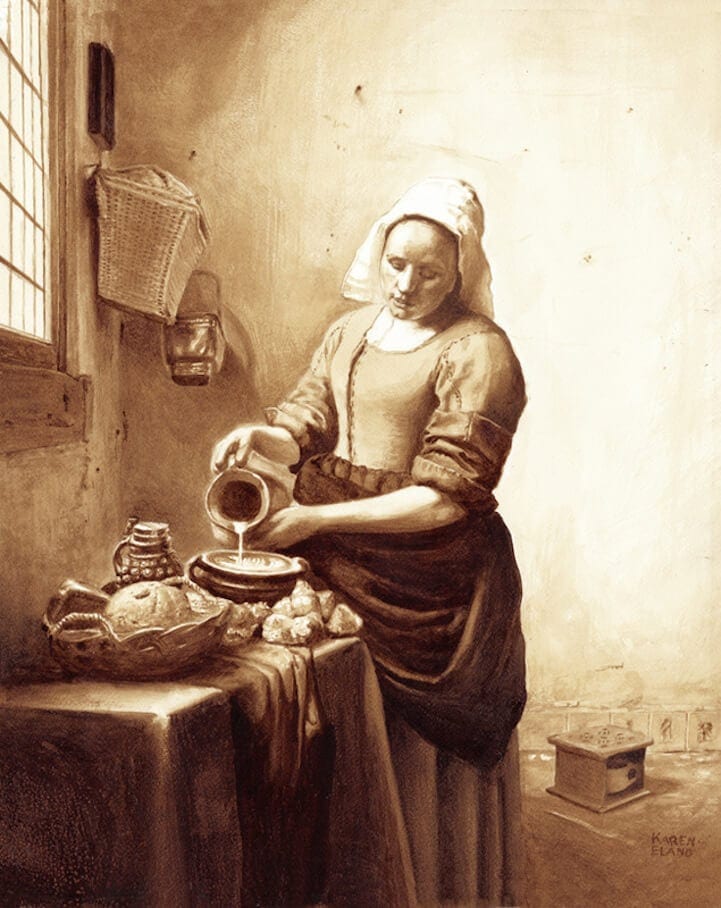
The articles tagged to Bend reflect that mix. A cedar-and-glass structure reads differently in Bend than it would in a coastal or urban setting because the landscape is not background decoration; it is part of the design brief. Even a portrait made with coffee carries a local logic in a city where artisanal production, experimentation, and visual branding are common forms of cultural currency.
How Bend changed from mill town to creative hub
For much of its early history, Bend depended on timber. The mills and the companies that supported them shaped employment, land use, and the first built fabric of the city. As that economy declined, Bend did not disappear; it reinvented itself through tourism, service work, and a growing population of independent businesses. That shift changed not only what the city sold, but how it represented itself.
Today Bend markets a version of the West that combines access, polish, and ruggedness. Its public image often uses the same cues found in contemporary craft culture: authenticity, regional materials, and a close relationship to the outdoors. For designers, that makes Bend a useful case study in how a city can turn geography into identity and identity into a working visual language.
Frequently Asked Questions
Is Bend a major city?
Bend is not large by national standards, but it is the dominant city in Central Oregon. It functions as the region’s commercial, administrative, and cultural centre because the surrounding area is sparsely populated. That role gives it influence well beyond its size.
What kind of landscape surrounds Bend?
Bend sits in Oregon’s high desert near the Cascade Range. The area combines dry plateaus, volcanic formations, pine forest, and the Deschutes River corridor. That mix creates the city’s distinctive light, colour palette, and outdoor culture.
Why is Bend often mentioned in design and craft coverage?
Bend attracts makers because it supports small-scale production, outdoor retail, hospitality, and a strong local market for handcrafted goods. The city’s environment also rewards materials and forms that are durable, clear, and closely tied to place. In practice, that leads to buildings, objects, and graphics that often feel clean, regional, and climate-conscious.