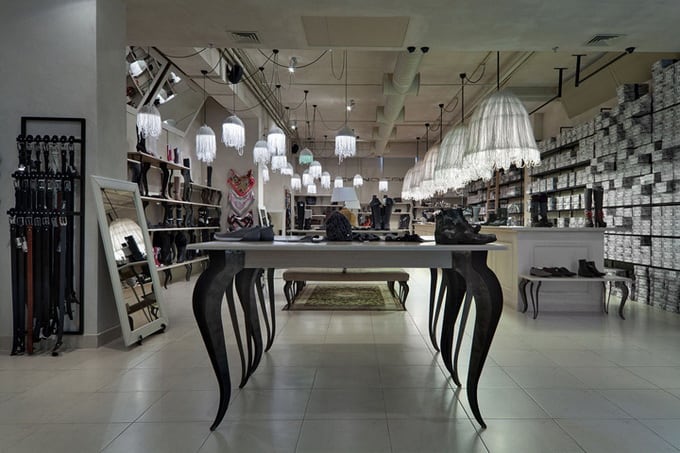
Dnipropetrovsk is a major city in central-eastern Ukraine on the Dnieper River, known today by its shorter name, Dnipro. For much of the twentieth century it was called Dnipropetrovsk, and before that Yekaterinoslav. It grew into a large industrial and administrative centre, and for decades it was one of the Soviet Union’s key closed or strategically important cities because of its heavy engineering, missile, and aerospace industries.
| Fact | Detail |
|---|---|
| Current name | Dnipro |
| Former name | Dnipropetrovsk; earlier Yekaterinoslav |
| Country | Ukraine |
| River | Dnieper |
| Role | Regional capital and industrial centre |
| Known for | Manufacturing, engineering, transport, and a strong commercial culture |
Where is Dnipropetrovsk, and why did it matter?
The city sits on both sides of the Dnieper, a position that made it a natural transport and industrial hub. Rail lines, river traffic, and later road networks all converged there, helping the city become a centre for metallurgy, machine-building, and trade. Its scale and location also made it important for state planning and military production in the Soviet period.
As the administrative centre of Dnipropetrovsk Oblast, the city shaped the surrounding region as much as it was shaped by it. Factories, research institutes, universities, and bureaucratic offices gave it a practical, work-driven identity. That combination of industry and administration explains why the city appears in discussions of Soviet design, manufacturing, and urban life.
Why do both Dnipropetrovsk and Dnipro appear?
The name Dnipropetrovsk was a Soviet-era formation combining the Dnieper River with Grigory Petrovsky, a Bolshevik official associated with early Soviet rule in Ukraine. After Ukraine’s independence, that name became more contested, especially because it preserved a political reference tied to Soviet history. In 2016, the city was officially renamed Dnipro as part of Ukraine’s decommunization process.
Older sources, archives, and many international references still use Dnipropetrovsk, especially when describing events before 2016. In practice, both names can point to the same city, but they carry different historical contexts. Dnipropetrovsk usually signals the Soviet and post-Soviet period; Dnipro is the current civic name.
What does the city look like in everyday life?
Dnipropetrovsk developed as a dense, functional city rather than a decorative one. Broad avenues, apartment blocks, industrial districts, embankments, and large public squares define much of its built environment. The city’s architecture reflects repeated waves of imperial, Soviet, and post-Soviet development, with older masonry buildings sitting beside monumental modernist structures and newer commercial interiors.
That practical character extends to commerce and consumer culture. Shopfronts, offices, cafés, and markets often use straightforward signage and durable materials, while design tends to favour visibility, efficiency, and scale over ornament. In articles about retail, interiors, or urban branding, Dnipropetrovsk often stands in for a broader post-Soviet city where global goods, local manufacturing, and inherited infrastructure meet.
What kind of cultural and design context does it represent?
For design history, the city matters because it sits at the intersection of Soviet industrial planning and contemporary Ukrainian urban change. It produced engineers, factory workers, designers, and merchants within a system that valued output and standardisation. At the same time, it absorbed outside influences through trade, migration, and new retail formats after the collapse of the USSR.
That mix gives Dnipropetrovsk a specific visual language: large-scale infrastructure, utilitarian construction, and a retail environment that often adapts quickly to imported brands and new commercial aesthetics. When a publication mentions the city, it is often pointing to this layered urban setting rather than to a single landmark or style.
Frequently Asked Questions
Is Dnipropetrovsk still the official name?
No. The city’s official name is now Dnipro. Dnipropetrovsk remains common in older texts, historical writing, and material produced before the 2016 rename.
What does the name Dnipropetrovsk mean?
It combines the Dnieper River with a reference to Grigory Petrovsky, a Soviet political figure. The name reflected the city’s Soviet identity rather than a local geographic tradition. That political association is one reason the name was later removed.
Why would a design publication mention this city?
Dnipropetrovsk appears in stories about retail, urban interiors, manufacturing, and post-Soviet commercial life. It is a place where imported goods, local industry, and inherited infrastructure come together. That makes it useful for understanding how design circulates outside capital cities and flagship cultural centres.
At a glance
- Address
- Dnipropetrovsk Oblast, Ukraine
- Coordinates
- 48.45, 34.983334
Articles mentioning Dnipropetrovsk