Esquire is a long-running men’s magazine first published in the United States in 1932, later developed into an international brand with editions such as Esquire UK. It became influential for its mix of reportage, fiction, fashion coverage, commentary, and sharply art-directed photography, illustration, and portraiture.
- Founded in 1932 by Arnold Gingrich.
- Originally a U.S. men’s magazine aimed at a literate, style-conscious readership.
- Known for commissioning strong visual work, especially portraits, illustration, and editorial fashion spreads.
- Helped define a glossy magazine style that balanced culture writing with commercial advertising.
- Its visual identity has varied by edition, but the editorial emphasis on wit, polish, and masculine style has remained central.
Where did Esquire come from?
Esquire began in the United States during the Great Depression, when magazine publishing was adjusting to new audiences and new forms of advertising. Arnold Gingrich founded it in 1932 with the idea that a men’s magazine could combine smart writing, lifestyle coverage, and visual sophistication rather than relying only on service journalism or sporting content.
The magazine quickly stood out for its editorial ambition. It published fiction and criticism alongside fashion, grooming, and culture, and it treated illustration and photography as core editorial tools rather than decoration. That approach gave it a distinct role in twentieth-century magazine design.
What made Esquire important?
Esquire mattered because it helped shape the modern idea of the men’s magazine as a platform for both style and authorship. Its pages brought together writers, photographers, art directors, and illustrators in a way that made editorial tone and visual identity inseparable. That model influenced not only other magazines but also advertising, portrait photography, and luxury branding.
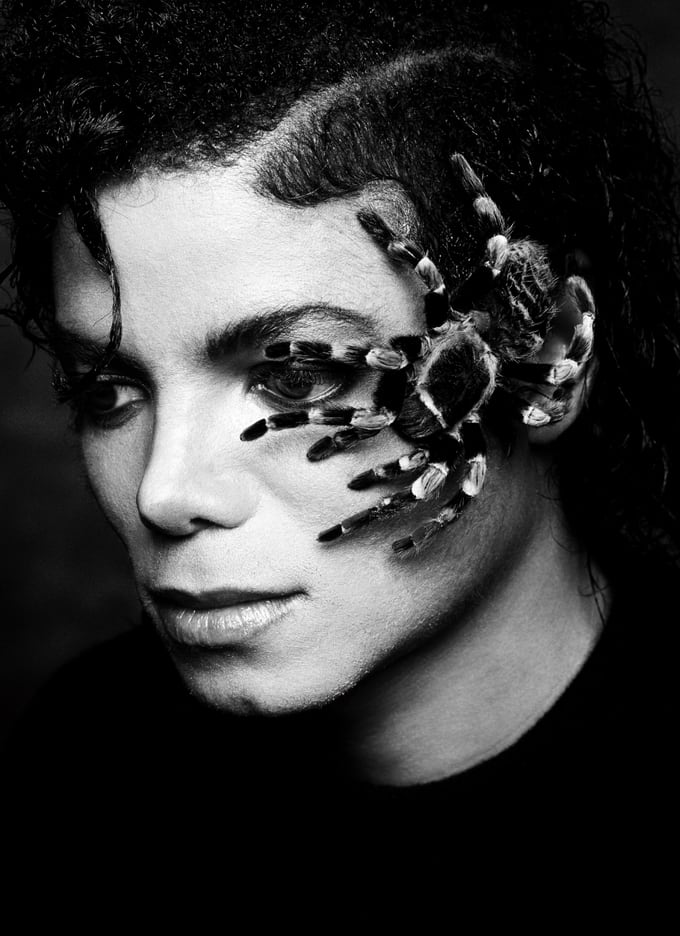
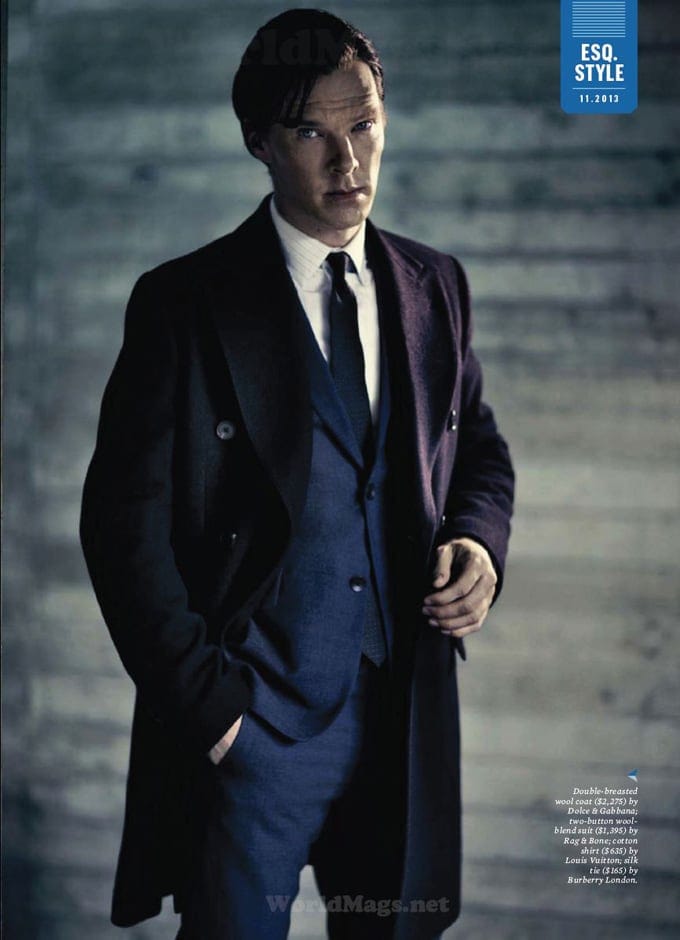
The magazine also gained a reputation for commissioning memorable covers and portrait sessions. Its image-making often relied on controlled lighting, theatrical styling, and a polished but slightly ironic tone. That combination has made the title useful to photographers and illustrators working with celebrity, menswear, and editorial personality.
What does Esquire look like in practice?
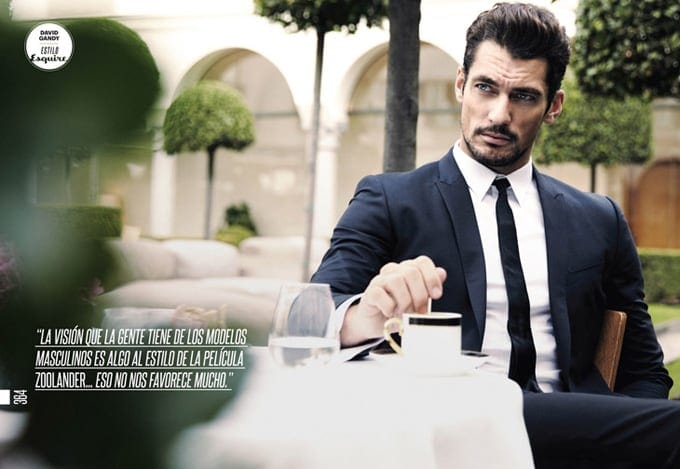
In practice, Esquire usually presents a clean, confident page design built around strong photography, compact typography, and a mix of long-form text and concise visual storytelling. Portraits often use direct framing, high contrast, and a sense of character over glamour alone. Fashion and lifestyle features tend to emphasize tailoring, grooming, and objects associated with cultivated masculinity.
The magazine’s visual language changes across national editions, but its best-known output often pairs celebrity portraiture with a sharp editorial point of view. That is why it appears so often in reference to photographers and illustrators: it has historically provided a setting where image makers could produce polished, personality-driven work for a widely recognized platform.
Why does it still matter?
Esquire remains significant because it represents a durable magazine format that still connects commerce, culture, and visual identity. Even as print publishing has changed, the brand continues to signal a certain kind of editorial masculinity: literate, image-conscious, and culturally aware.
For designers and photographers, Esquire is also a useful reference point for how editorial image-making can operate at a high level of polish without becoming neutral. Its legacy is not only about content, but about commissioning, framing, and sequencing images so that they carry tone as well as information.
Frequently Asked Questions
Is Esquire only a fashion magazine?
No. Fashion and style have always been important to Esquire, but the magazine has also published fiction, reportage, essays, criticism, and celebrity profiles. That broader editorial mix helped it become more than a service magazine.
Who founded Esquire?
Esquire was founded by Arnold Gingrich in 1932. He helped establish the magazine’s early identity as a sophisticated men’s publication with strong writing and ambitious visual production. The title later expanded beyond its original U.S. base.
Why do photographers and illustrators cite Esquire so often?
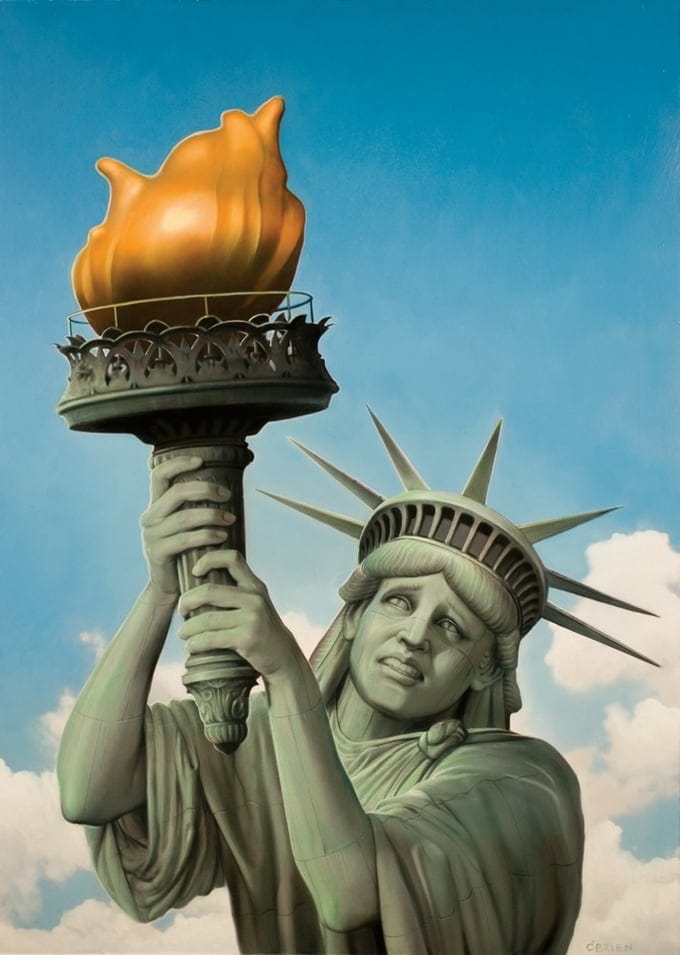
Esquire has long offered a prestigious platform for portraiture, illustration, and editorial storytelling. Its pages often reward strong lighting, tailored styling, and a clear point of view, which makes it attractive to image makers. That is why the name appears frequently alongside celebrity portrait projects and illustration commissions.
}{
At a glance
- Founded
- 1932
- Address
- New York, United States
Articles mentioning Esquire (magazine)