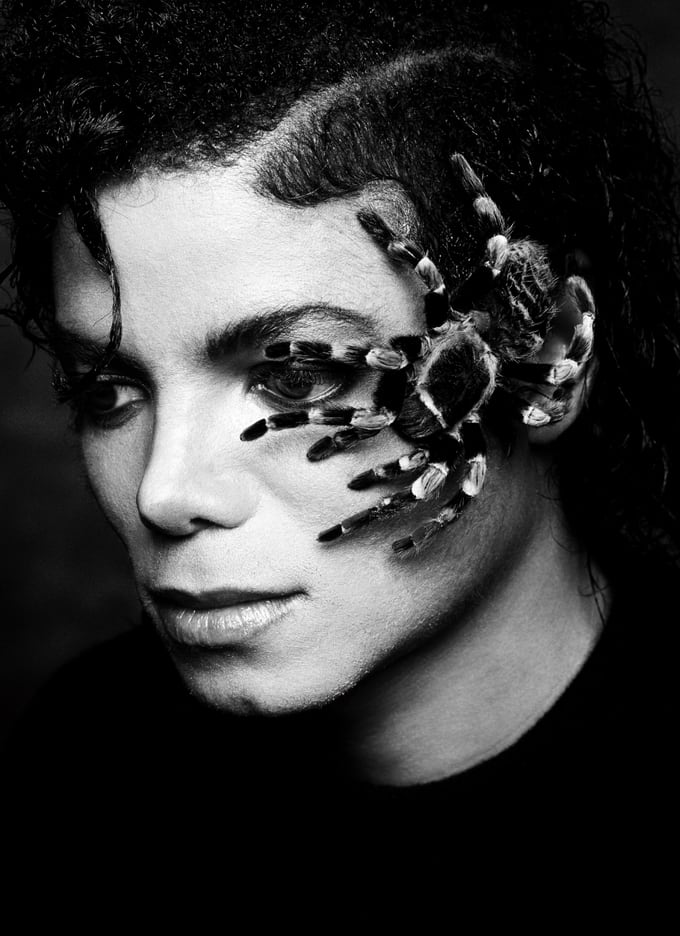
Greg Gorman is an American photographer known for black-and-white portraiture, especially images of actors, musicians, and other public figures. His work pairs polished studio lighting with a direct, often psychologically charged style that aims to strip away surface glamour and present a more controlled, memorable likeness.
| Essential fact | Details |
|---|---|
| Field | Photography |
| Known for | Black-and-white celebrity portraits |
| Working style | Studio portraiture with careful lighting and strong tonal contrast |
| Subjects | Actors, performers, artists, and other public figures |
| Visual signature | Clean compositions, sculpted faces, and a preference for monochrome |
What makes Greg Gorman’s portraits distinctive?
Gorman’s photographs usually rely on controlled light, crisp tonal separation, and close attention to pose and expression. Rather than treating portraiture as a neutral record, he uses the camera to shape the sitter’s public image. The result often feels elegant and unforced, but also highly constructed.
Black and white is central to that effect. Removing color pushes attention toward bone structure, skin texture, clothing, and the space between a subject’s face and the background. In Gorman’s hands, monochrome can make a familiar celebrity look iconic, severe, vulnerable, or remote depending on how the light falls.
Where did his approach come from?
Gorman came of age in a period when magazine portraiture and advertising photography were closely linked, and when a photographer could move between editorial commissions and more personal work. That context encouraged a strong signature style: a recognizable visual grammar that still served commercial and publishing needs.
His portrait practice draws on older studio traditions as well, especially the classic Hollywood headshot and the sculptural lighting used in fashion and fine-art photography. Those influences matter because they explain why his images look polished without feeling generic. The best-known photographs balance access and distance, letting the sitter remain identifiable while the image itself becomes more stylized than candid.
How are his photographs made?
A Greg Gorman portrait typically depends on precise control of the set. Lighting does much of the expressive work: a hard key light can sharpen features, while softer sources can smooth the image and intensify mood. Backgrounds are often simple so that face, gesture, and contrast carry the composition.
Printing and reproduction also matter. Black-and-white portraiture asks for careful handling of shadow detail, highlights, and midtones, because those tonal values determine whether the image feels flat or dimensional. Gorman’s work shows how much craft lives in apparently straightforward celebrity photography: directing the sitter, shaping light, and deciding exactly how much information the final print should reveal.
Why does he matter?
Gorman matters because he helped define a recognizable mode of celebrity portraiture that still feels current: elegant, direct, and built around strong tonal design. His photographs demonstrate how portrait photography can serve both publicity and authorship. A face becomes a public object, but the photographer’s choices still control how that face is read.
For readers interested in visual culture, his work is useful as an example of how reputation gets manufactured through image-making. The photograph is not only a likeness; it is also a performance of personality, shaped by lighting, timing, and the photographer’s judgment. That is especially clear in black and white, where every shadow and highlight affects the story the image tells.
Frequently Asked Questions
Is Greg Gorman mainly a fashion photographer or a portrait photographer?
He is best known as a portrait photographer, especially for celebrity and entertainment figures. His images often overlap with fashion and editorial photography because they are highly styled and carefully lit. Even so, the main subject is usually the person, not the clothing or the product.
Why are so many of his photographs black and white?
Black and white suits his interest in form, expression, and tonal control. It removes the distraction of color and makes the structure of the face, the lighting, and the pose more prominent. That choice also places his work in a long tradition of serious portrait photography.
What should be noticed in a Greg Gorman portrait?
Look at the light first, then at how it shapes the sitter’s features and mood. Notice whether the background is stripped back, how the subject is posed, and how much personality feels staged versus spontaneous. Those choices are where the image’s meaning is made.
Articles mentioning Greg Gorman