
Izabel Goulart is a Brazilian fashion model known for runway work, lingerie campaigns, and high-visibility commercial modelling. She rose to international fame as a Victoria’s Secret Angel and built a career around fashion shows, editorials, and advertising for global brands.
Stories from Izabel Goulart
2 stories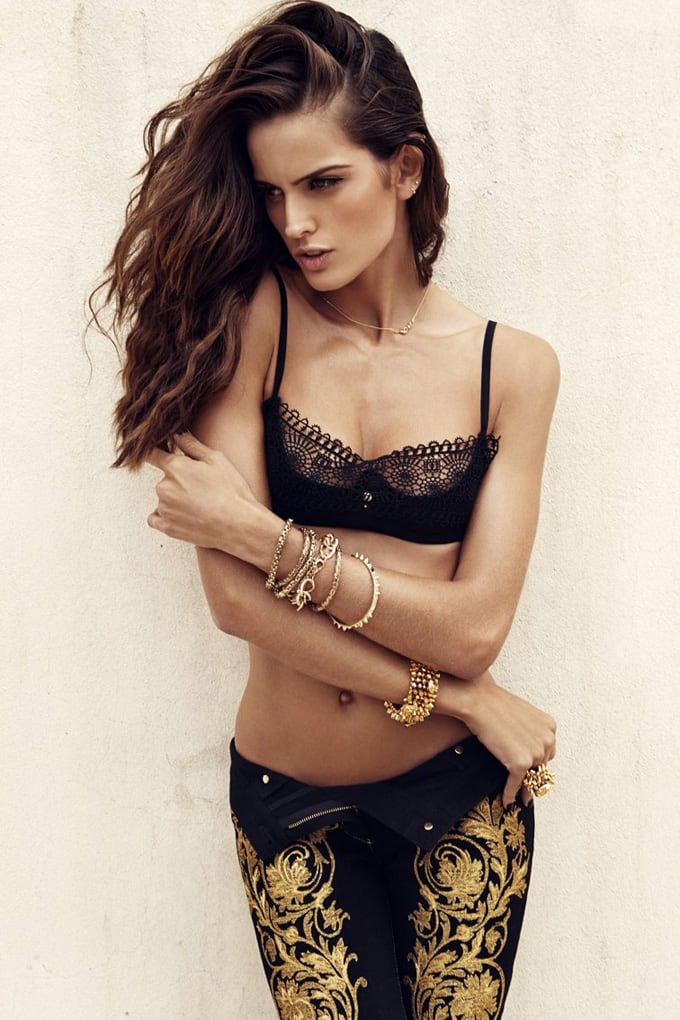

About Izabel Goulart
| Born | October 23, 1984, in São Carlos, São Paulo, Brazil |
|---|---|
| Known for | Victoria’s Secret Angel, Armani Exchange campaigns, fashion editorials and runway work |
| Field | Fashion modelling |
| Nationality | Brazilian |
Read the full overviewHow did Izabel Goulart become known?, What kind of modelling is she associated with?, Why does she matter in fashion culture?, What does her work look like in practice?
How did Izabel Goulart become known?
Goulart entered modelling in Brazil and quickly moved into international fashion circuits, where agencies and brands valued her tall frame, long limbs, and strong runway presence. Her breakthrough came through work with Victoria’s Secret, a company that turned a small group of models into widely recognised public figures through televised shows, advertising, and glossy campaigns.
From 2005 to 2008 she worked as one of the Victoria’s Secret Angels, a role that required more than posing for still images. It meant walking in staged runway events, appearing in coordinated lingerie looks, and maintaining a public image tied to glamour, fitness, and performance. That visibility pushed her beyond the fashion trade press into mainstream entertainment coverage.
What kind of modelling is she associated with?
Goulart is associated with the polished, high-production side of fashion modelling: lingerie campaigns, commercial editorials, brand endorsements, and runway appearances built around a defined image. Her work for Armani Exchange placed her in a more casual, urban register than the theatrical format of Victoria’s Secret, showing how models often shift between fantasy and lifestyle branding.
That range matters because modelling careers are usually assembled through different kinds of image-making. A single model may be asked to project sex appeal, athleticism, elegance, or approachable cool depending on the client. Goulart’s portfolio reflects that system: runway walking, posed campaign work, and promotional appearances that sell not a garment alone but a mood around it.
Why does she matter in fashion culture?
Goulart belongs to a generation of Brazilian models who became a dominant presence in global fashion during the 2000s. Brazilian models were often cast for their ease on the runway, strong physiques, and ability to carry both luxury and commercial campaigns. Her profile helped reinforce Brazil’s status as a major pipeline for international modelling talent.
She also represents the way fashion media elevated models into recognizable personalities. The Victoria’s Secret era depended on this transformation: models were not only wearing clothes, but also functioning as branded figures with names, biographies, and followings. Goulart’s visibility in magazines, campaigns, and holiday-themed features shows how a model’s image can move between seasonal editorial storytelling and long-term brand identity.
What does her work look like in practice?
In practice, Goulart’s modelling has involved the recurring tools of fashion photography and runway presentation: controlled lighting, stylized makeup, hair design, body positioning, and clothing chosen to flatter motion and silhouette. For lingerie and swimwear work, the styling often emphasizes symmetry, posture, and the interaction between skin, fabric, and camera angle.
Her public image also depends on discipline outside the frame. Fitness, grooming, travel, and repeated fittings are all part of the job, especially for models working at the level of international campaigns and show appearances. The finished image may look effortless, but it rests on a coordinated process involving casting, styling, photography, and brand direction.
Frequently Asked Questions
Was Izabel Goulart only a Victoria’s Secret model?
No. Victoria’s Secret was the most visible part of her career, but it was not the whole of it. She also worked in fashion editorials, advertising, and brand campaigns, including projects for Armani Exchange. Like many successful models, she moved between lingerie, commercial fashion, and magazine work.
What makes a Victoria’s Secret Angel different from a regular model?
An Angel was a model who served as a major face of the Victoria’s Secret brand, not just a runway participant. The role came with more frequent campaigns, public appearances, and a stronger association with the company’s image. That made Angels more recognizable than many working models, even when their work overlapped.
Why is she often mentioned in fashion articles from the 2000s?
She was part of a period when fashion media relied heavily on a small group of globally famous models. Those models appeared in holiday editorials, brand launches, and runway coverage that linked celebrity culture with fashion marketing. Goulart’s name appears in that era because she was one of the faces used to define it.