
Jessica Stam is a Canadian fashion model known for her sharply doll-like facial features, pale complexion, and the long, angular body type favored by high-fashion casting in the 2000s. She became one of the best-known runway and editorial models of that period, working across luxury fashion, magazine covers, and advertising campaigns.
Stories from Jessica Stam
2 stories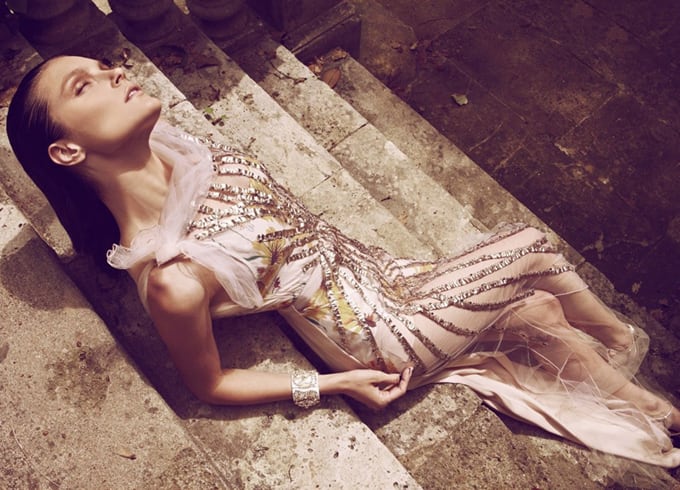
About Jessica Stam
| Born | April 23, 1986, in Kincardine, Ontario, Canada |
|---|---|
| Field | Fashion modeling |
| Known for | Runway work, editorial shoots, and luxury brand campaigns |
| Era of prominence | Mid-2000s onward |
| Industry recognition | Named by Forbes among the top-earning supermodels in 2007 |
Read the full overviewHow Jessica Stam became known, What does a “doll face” model look like?, Why did she matter in 2000s fashion?, Where her work appears
How Jessica Stam became known
Stam was discovered as a teenager and entered modeling at a moment when the fashion industry was still shaped by the ultra-thin, highly stylized casting standards of the early and mid-2000s. Her face fit a look often described by editors and agents as “doll-like”: wide-set eyes, a small mouth, and a delicate, almost porcelain quality that read strongly in close-up photography.
That look made her especially useful to fashion photographers and creative directors who wanted models to carry a strong visual identity without overpowering the clothes. She moved quickly from newcomer status to a model regularly placed in runway shows and magazine stories for major fashion houses and titles.
What does a “doll face” model look like?
The term “doll face” is not a formal modeling category, but a shorthand used in fashion to describe faces that seem stylized, youthful, and slightly unreal. In Stam’s case, that meant a combination of softness and severity: rounded features, large eyes, and a face that could be read as innocent in one setting and eerie in another, depending on styling and lighting.
Fashion image-makers often use this kind of face to create tension between human presence and artifice. On the runway, that can make a model memorable even in a dense cast. In editorial work, it can anchor themes of fantasy, fragility, or cool detachment, all of which were common in luxury fashion imagery of the period.
Why did she matter in 2000s fashion?
Stam mattered because she was part of a generation of models who helped define the visual language of mid-2000s fashion. Her face was instantly legible in print and on the runway, and that made her valuable to brands looking for recognisable visual signatures. She appeared in an industry that increasingly relied on a narrow set of highly specific faces to carry expensive clothes and maintain a sense of exclusivity.
Her Forbes ranking in 2007 reflected more than personal celebrity. It showed how top models at that time could function as commercial assets, moving between editorial prestige and the business of advertising. A model at that level could shape the feel of a campaign or a magazine issue as much as the garments themselves.
Where her work appears
Stam’s work appears most clearly in high-fashion magazines, runway presentations, and brand campaigns. In editorial photography, she was often used for images that leaned into gloss, coolness, and an almost constructed femininity. In runway work, her presence fit the streamlined casting of the era, where a strong face and a controlled walk mattered more than overt theatricality.
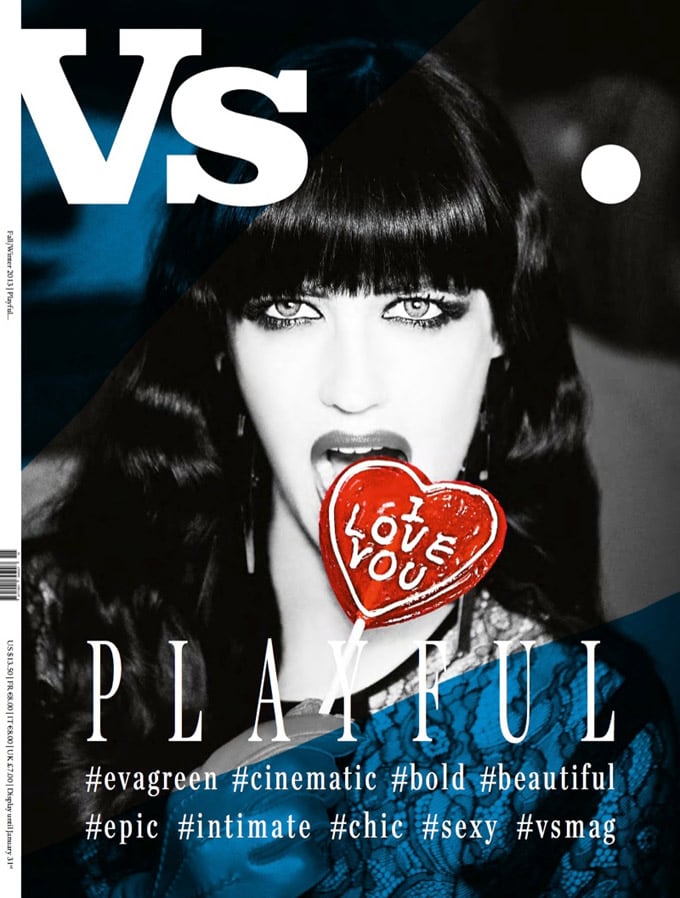
Her appearance on magazine covers and in fashion stories also helped fix the visual memory of the period. In spreads such as Vogue Hellas, the model is not merely a subject but part of the styling system: hair, makeup, pose, clothes, and attitude all work together to produce a finished image. Stam’s face was especially effective in that system because it could register both innocence and distance at once.
Frequently Asked Questions
Is Jessica Stam a runway model or a print model?
She has worked successfully in both, which is typical of top fashion models from her era. Runway work gave her visibility inside the industry, while print and editorial work helped create the recognisable image that made her marketable. The two forms reinforced each other.
What does “doll face” mean in modeling?
It describes a face that seems stylized, youthful, and slightly artificial, often with large eyes and delicate features. The phrase is informal and can sound reductive, but in fashion it has often been used as praise for a model whose face reads powerfully in photography. Stam is one of the models most often associated with that label.
Why is she still referenced in fashion writing?
She remains a useful reference point for the aesthetic of 2000s luxury fashion. Writers and editors use her name to signal a particular kind of casting: polished, cool, and faintly unreal. Her image helps identify the visual code of an era when models were selected as much for atmosphere as for commercial appeal.
}{