
Kensington Palace is a royal residence in Kensington Gardens, London, and one of the British royal family’s long-used homes. Built in the late 17th century and adapted over successive reigns, it has served as a private house, court residence, and official London base for working royals. Today it remains associated with several members of the family and functions as both a living residence and a ceremonial setting.
Stories from Kensington Palace
1 story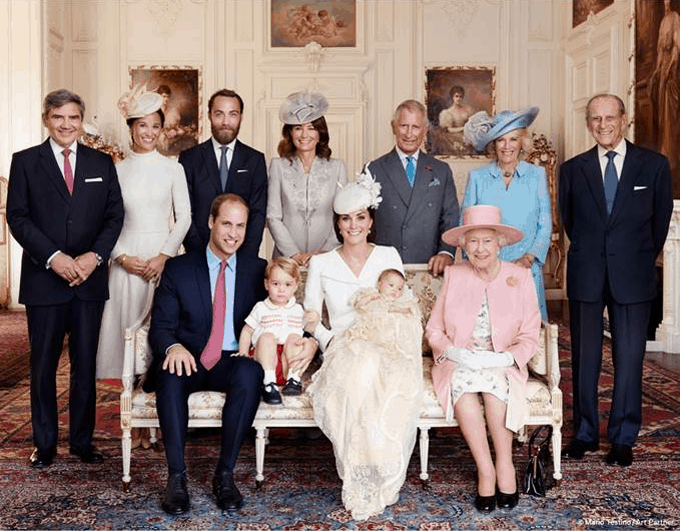
About Kensington Palace
| Fact | Detail |
|---|---|
| Type | Royal palace and residence |
| Location | Kensington Gardens, Royal Borough of Kensington and Chelsea, London, England |
| Origin | Late 17th century |
| Current role | Official London residence for senior members of the royal family |
| Setting | Historic palace connected to state occasions, family life, and public display |
Read the full overviewHow Kensington Palace began, What does it look like in practice?, Why does Kensington Palace matter?, How is it used today?
How Kensington Palace began
Kensington Palace began as a country house rather than a grand ceremonial palace. William III and Mary II bought the building in 1689 and had it enlarged by Sir Christopher Wren, who created the long, elegant brick ranges that still define much of its exterior. Wren’s work gave the palace a more domestic scale than Buckingham Palace or Windsor Castle, even as it was planned for royal use.
That early identity matters. Kensington Palace grew from a house designed for comfort, privacy, and access to gardens rather than from a fortress or a purely formal court complex. Its architecture reflects that origin: red brick, restrained classical details, sash windows, and a compact plan that feels residential even where the interiors later became more formal.
What does it look like in practice?
In practice, Kensington Palace functions as both home and heritage site. Parts of the building remain private, occupied by royal households, while other areas are open to the public and used for exhibitions about monarchy, dress, portraiture, and court life. This split identity is typical of many British royal buildings, where domestic use and public presentation overlap.
The palace is also part of a larger visual landscape. Its façades sit against the broad greens of Kensington Gardens, and the approach to the building emphasizes enclosure, lawns, and tree cover rather than monumental isolation. Inside, the interiors have been remodeled many times, so the palace contains layers of decoration from different periods: Georgian rooms, later alterations, and display spaces that change with curatorial use.
Why does Kensington Palace matter?
Kensington Palace matters because it has been tied to major shifts in British royal life for more than three centuries. It housed monarchs, queens, princes, and princesses; it witnessed births, marriages, mourning, and succession politics; and it became a setting where royal family life could be staged with a degree of domesticity. That mix of privacy and display has made it a useful location for modern royal imagery.
It also matters as an example of how royal buildings are never static. The palace has been repaired, extended, subdivided, and repurposed to suit changing household structures and public expectations. Its continued use shows how heritage architecture can remain active rather than frozen, with rooms and façades carrying both historical memory and present-day function.
How is it used today?
Today Kensington Palace serves as an official residence for senior royals and as a public-facing historic site. The palace is associated with the Prince and Princess of Wales, the Duke and Duchess of Gloucester, and the Duke and Duchess of Kent; some apartments are private, while others are used for office work, reception, and representation. This arrangement keeps the building within the routine machinery of the monarchy.
For photography, ceremony, and media coverage, the palace offers a recognizable royal setting without the scale of a state occasion venue. Christenings, portrait releases, garden arrivals, and formal announcements often draw on its architecture as a backdrop. The building’s sober brick exterior and landscaped setting lend a controlled, quietly affluent image that suits contemporary royal branding.
Frequently Asked Questions
Is Kensington Palace a museum?
Not entirely. It is still a working royal residence, but some rooms and exhibitions are open to the public through Historic Royal Palaces. That makes it part house, part heritage attraction, and part administrative base.
Who lives at Kensington Palace now?
Several members of the British royal family have official apartments or offices there. The palace is associated with the Prince and Princess of Wales, the Duke and Duchess of Gloucester, and the Duke and Duchess of Kent, though the exact arrangement of private and official spaces can change over time. Not all residents are visible in public life from the palace itself.
Why is Kensington Palace often used in royal photography?
It offers a controlled setting that signals continuity, status, and family life at once. The building is recognizably royal, but it also feels domestic enough for portraits, christenings, and informal public moments. That balance makes it especially useful for images meant to look both official and personal.