Léa Seydoux is a French actor and former model known for moving between art-house cinema, studio franchises, and fashion imagery with unusual ease. She came to prominence in the late 2000s and became one of France’s most visible screen performers, working in films by directors such as Christophe Honoré, Bertrand Bonello, and Abdellatif Kechiche, while also appearing in global franchises including James Bond and Mission: Impossible. Her image has been shaped as much by cinematography, styling, and editorial photography as by conventional star-making.
- French actor born in 1985, with a background in fashion modeling.
- Broke through in French cinema before moving into international productions.
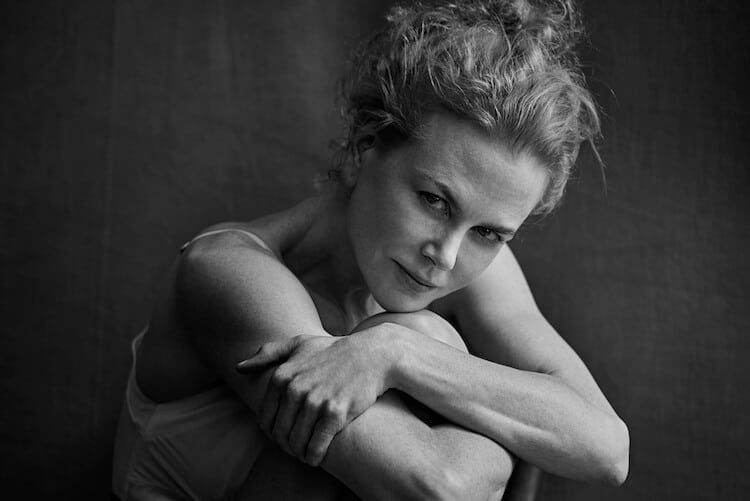
- Often cast in roles that rely on stillness, ambiguity, and visual presence.
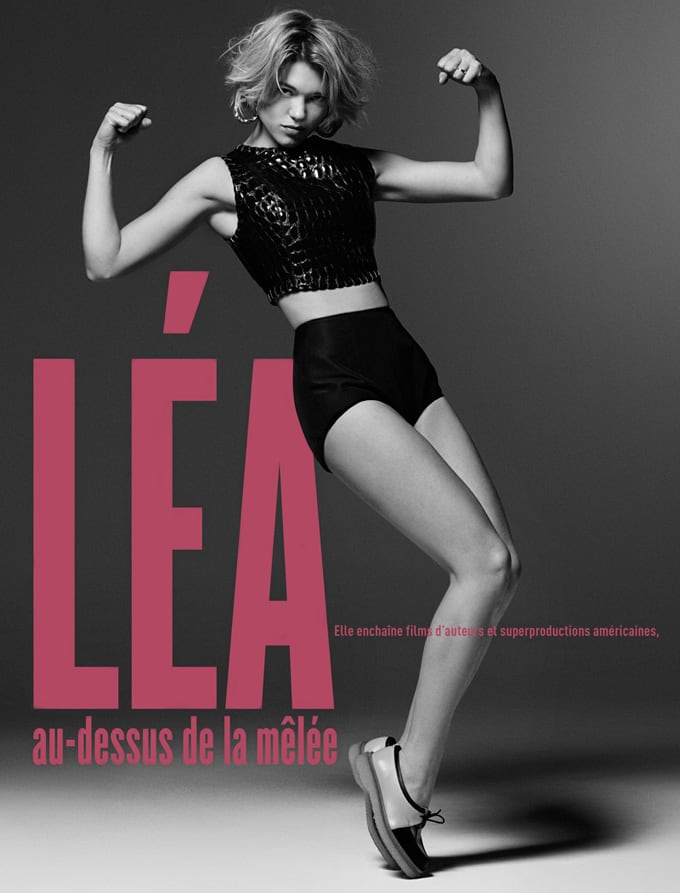
- Appears frequently in fashion editorials, campaigns, and calendars because of her camera-facing composure.
- Represents a kind of modern European star built across film, fashion, and photography.
How did Léa Seydoux become well known?
Seydoux began in fashion before fully shifting into acting, and that early exposure to the camera helped define her screen persona. She trained at Cours Florent in Paris and started landing film roles in the late 2000s, including The Beautiful Person and On the Road. Her breakthrough came through French cinema, where directors used her for parts that depended on controlled expression rather than broad theatricality.
That approach made her especially effective in films that treat faces, gestures, and silence as part of the mise-en-scène. Seydoux often plays characters whose emotional life is implied rather than announced. The result is a performance style that suits close-up filming, fashion photography, and prestige cinema alike.
Why do fashion editors keep casting her?
Seydoux has a look that translates cleanly into editorial and campaign work: pale skin, sharp bone structure, and an expression that can read as detached, intimate, or self-possessed depending on styling and light. Fashion publications and luxury brands often use her for that range, because she carries both old-screen glamour and contemporary restraint. She does not need heavy styling to register on the page.
That visual flexibility matters in print culture, where an image must work fast and hold attention. Seydoux photographs well in minimal makeup, severe tailoring, and high-gloss couture because her face keeps the composition active. She can appear classical, cool, or slightly unsettling without changing much physically, which is a valuable quality for fashion photography and campaign direction.
What kinds of roles does she usually play?
Her filmography moves between intimate dramas and large commercial productions, but many of her most notable roles involve desire, secrecy, or moral ambiguity. In French cinema, she has often been cast as a figure who feels present but hard to fully decode. In international work, she has played characters who must remain legible under pressure, whether in period settings, thrillers, or franchise films.
That pattern has made her useful to directors who want an actor with a strong image but not a fixed type. She can be cast as vulnerable, imperious, sensual, or distant, often within the same performance. The contrast between fashion visibility and narrative reserve is part of what makes her distinctive.
How has she shaped the modern star image?
Seydoux belongs to a generation of performers whose public identity is built across multiple image systems: cinema, red carpet, advertising, and editorial work. She is not just known for a single role. Instead, her recognizability comes from repeated appearances in carefully controlled photographs and films that all reinforce the same kind of visual intelligence.
This matters because contemporary stardom often depends on circulation rather than on one defining performance. Seydoux’s image can move from a perfume campaign to an auteur film still to a magazine cover without losing coherence. That makes her useful to publishers and brands, but it also reflects a broader shift in celebrity culture, where an actor’s face becomes a design element as much as a dramatic instrument.
Frequently Asked Questions
Is Léa Seydoux mainly a film actor or a model?
She is primarily known as a film actor. Modeling came earlier in her career and still shapes how she is photographed, but her reputation rests on screen work. The modeling background matters because it sharpened her comfort with the camera and helped form her public image.
What makes her different from many other actors?
She projects strong visual presence without relying on exaggerated expression. That gives directors and photographers room to build meaning around her face, posture, and stillness. She can carry a frame even when a scene is quiet.
Why is she so common in fashion publications?
Fashion magazines like actors who read clearly in a photograph and can suggest a mood instantly. Seydoux does that well, whether the styling is minimalist or highly constructed. Her mix of elegance and reserve makes her useful for editorials, covers, and campaign imagery.
Articles mentioning Léa Seydoux