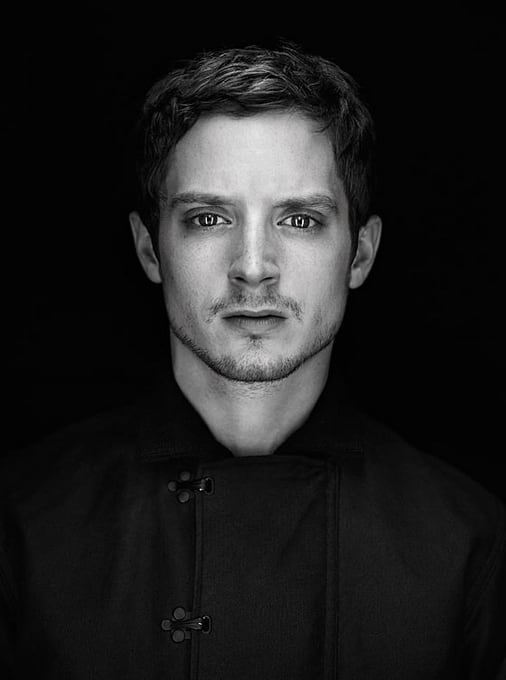
Lenny Kravitz is an American singer, songwriter, producer, multi-instrumentalist, and actor known for fusing rock, soul, funk, R&B, reggae, and psychedelic pop into a polished, retro-leaning style. He emerged in the late 1980s and became known not only for his records but for a highly visual public image: fitted tailoring, vintage references, sunglasses, and elaborate stage presentation. In the context of visual culture, Kravitz matters because he treats clothing, sound, and persona as one designed object.
| Born | May 26, 1964 |
|---|---|
| Nationality | American |
| Known for | Singing, songwriting, multi-instrumental recording, production, acting, style icon status |
| Associated sound | Rock, soul, funk, R&B, reggae, hard rock, psychedelic pop |
| Visual signature | Sunglasses, leather, denim, slim tailoring, vintage accessories |
How did Lenny Kravitz become a style figure?
Kravitz built his profile through music, but his look quickly became part of the appeal. He favors clothes that read as 1960s and 1970s references rather than current trends: narrow trousers, boots, scarves, tinted eyewear, leather jackets, and tailored coats. The effect is less costume than continuity, as if the same visual language runs through his records, videos, and public appearances.
That consistency helped make him easy to recognize in photographs and editorial coverage. Fashion magazines, eyewear brands, and portrait photographers have often used his image to signal cool without excess. His style works because it is controlled rather than flashy; the clothes frame the face and body, but they do not compete with them.
What makes his music and production approach distinctive?
Kravitz is known for writing and arranging in a way that draws on classic forms rather than breaking them apart. His songs often use live drums, electric guitar, warm bass lines, and melodic vocal hooks that recall older rock and soul recordings. He has repeatedly used a hands-on studio method, playing many of the parts himself on recordings, which gives the music a unified texture.
That method matters because it connects sound to authorship. When one musician handles vocals, guitar, bass, keyboards, drums, and percussion, the result often carries a strong personal stamp. In Kravitz’s case, that stamp is a clean blend of revival and polish: the tracks echo earlier decades, but the production is tight and contemporary.
Why do photographers and brands keep using him?
Kravitz has long been a useful subject for photographers because his face, wardrobe, and posture already read like a finished composition. He is comfortable in high-contrast black-and-white imagery, glossy color portraits, and tightly framed detail shots that emphasize texture: leather grain, metal frames, rings, denim, hair, and skin. That makes him especially effective in campaigns where the subject needs to suggest confidence, attitude, and sensuality without much explanation.
Brands also use him because his public image carries several meanings at once. He can suggest rock authenticity, luxury, masculine grooming, or late-20th-century nostalgia, depending on the setting. In eyewear and fashion contexts, his sunglasses and sharply edited wardrobe are not incidental accessories; they are part of the message.
What does his work look like in practice?
In practice, Kravitz’s output tends to unify performance and appearance. On stage, he often works with live-band arrangements, physical movement, and dramatic lighting that make the concert feel designed rather than merely played. In music videos and photographs, he usually appears as a composed figure inside a carefully controlled frame, with wardrobe and set design reinforcing the song’s mood.
That visual discipline explains why his name appears in both music and design coverage. He is not a designer in the formal sense, but he understands how styling, material, and silhouette shape perception. For publishers, photographers, and brands, he offers a ready-made visual system built from texture, proportion, and reference.
Frequently Asked Questions
Is Lenny Kravitz mainly a musician or a visual style icon?
He is mainly a musician, but the visual side of his work has become inseparable from his reputation. The clothes, sunglasses, and stage imagery help define how his music is received. Many people know his look even before they can name a specific album.
What kind of music is he known for?
Kravitz is associated with rock, soul, funk, R&B, reggae, and related hybrid styles. His records often sound retro because they use classic instrumentation and warm analog textures. That retro quality is deliberate rather than accidental.
Why does he appear in fashion and photography coverage?
He photographs well because his image is built from strong visual elements: silhouette, texture, and contrast. He often wears clothes and eyewear that read clearly on camera, which makes him useful in editorial and commercial work. His public persona is already highly designed, so it translates easily into still images.
Articles mentioning Lenny Kravitz