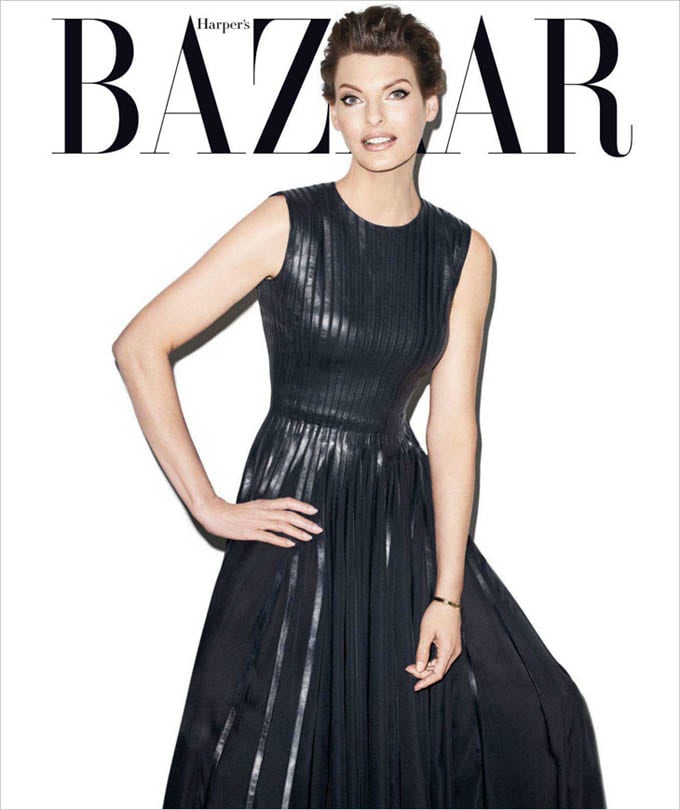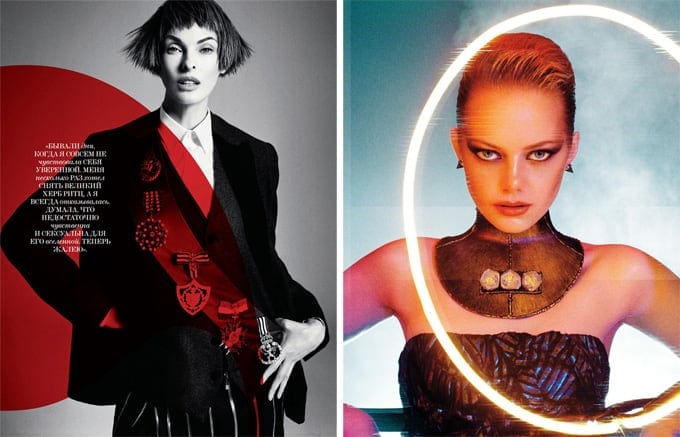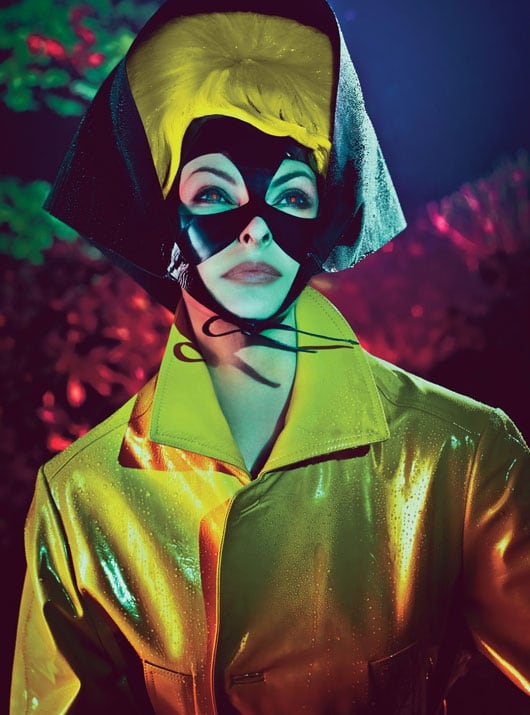
Linda Evangelista is a Canadian fashion model known for her high-fashion editorials, runway work, and close association with photographers such as Steven Meisel. Born in 1965, she became one of the defining models of the late 1980s and 1990s, a period when models could shape the look and market position of fashion magazines as strongly as the clothes they wore.
| Fact | Detail |
|---|---|
| Born | May 10, 1965, in St. Catharines, Ontario, Canada |
| Field | Fashion model |
| Known for | Editorial covers, runway presence, and work with Steven Meisel |
| Notable quote | “We don’t wake up for less than $10,000 a day” |
| Magazine record | Multiple covers of Vogue Italia, many photographed by Meisel |
Why Linda Evangelista mattered to fashion
Evangelista helped define the supermodel era, when a small group of models became recognizable public figures rather than anonymous hangers for clothing. Her face appeared across fashion publishing at a scale that made her part of the visual language of the period. Designers, photographers, and editors used her because she could change character on demand: severe, glamorous, athletic, or coolly detached.
That flexibility mattered in an industry built on transformation. Evangelista could carry an image in a studio portrait, sharpen a runway presentation, or anchor a magazine cover without looking static. Her work shows how modeling functions as a craft: posture, expression, timing, and the ability to give a photographer or art director more than one usable idea in a single session.
What made her look distinctive?
Evangelista’s look shifted with styling, but certain traits remained: sculpted cheekbones, a strong profile, and a face that took light well in both polished and stark setups. She was not defined by one fixed image. Instead, she became known for fast transformation, with hair, makeup, and wardrobe often changing her from one editorial identity to another.
That adaptability made her especially useful to photographers working in fashion’s image-making system. In print, she could read as luxurious in a glossy cover story or severe in black-and-white portraiture. On the runway, she projected precision rather than sweetness, which suited the sharper silhouettes and more assertive styling of the era.
Her work with Steven Meisel and magazine culture
Evangelista’s long collaboration with Steven Meisel is central to her reputation. Meisel is one of fashion’s most influential photographers, and their repeated pairing created a body of work that helped set standards for editorial fashion photography. Their images often emphasized reinvention, control, and a cool kind of glamour that became highly influential in magazines.
Her repeated appearances on Vogue Italia covers, all photographed by Meisel, underline how tightly model, photographer, and publication can work together to build a visual identity. In fashion publishing, a memorable cover depends on more than a famous face; it needs a pose, styling, lighting, and an editorial point of view that all arrive at once. Evangelista became one of the models most associated with that process.
What does her legacy look like now?
Evangelista’s legacy sits in the way fashion still treats the model as both subject and instrument. She became a benchmark for editorial versatility, and later generations of models have been measured against that ability to move between couture polish, commercial visibility, and high-concept imagery. Her name still signals a particular standard of magazine-era glamour.
She also remains part of the history of fashion’s economics. The famous “$10,000 a day” phrase turned a model’s labor into a public statement about value, bargaining power, and the celebrity economy around fashion. Whether quoted seriously or remembered as a pop-culture line, it captured a moment when top models could command attention as boldly as the brands that hired them.
Frequently Asked Questions
Is Linda Evangelista just a runway model?
No. She worked across runway, editorial, and cover photography, and her most lasting impact comes from the editorial side of fashion. Her images were used to sell a mood as much as a garment, which is why photographers and magazines valued her so highly.
Why is she linked so closely with Steven Meisel?
Meisel photographed her many times, and their repeated collaborations produced some of her most recognizable work. The partnership mattered because it was consistent enough to build a distinct visual shorthand: cool, controlled, and often transformative.
What does the “$10,000 a day” quote mean?
The phrase refers to the fee she reportedly would not work for below a certain level, and it became a shorthand for the earning power of top models in the supermodel era. It is remembered because it captured the moment when models could be treated as major commercial figures, not just anonymous fitters for clothes.
Articles mentioning Linda Evangelista