
Malmö is a coastal city in southern Sweden, the country’s third largest by population and the seat of Malmö Municipality and Skåne County. It sits in the province of Scania, on the narrow stretch of water that separates Sweden from Denmark, and part of the urban area extends into neighbouring Burlöv Municipality. For FreeYork readers, Malmö matters as a place where Nordic urban design, public art, housing, and infrastructure meet in a compact and highly visible city.
Stories from Malmö
2 stories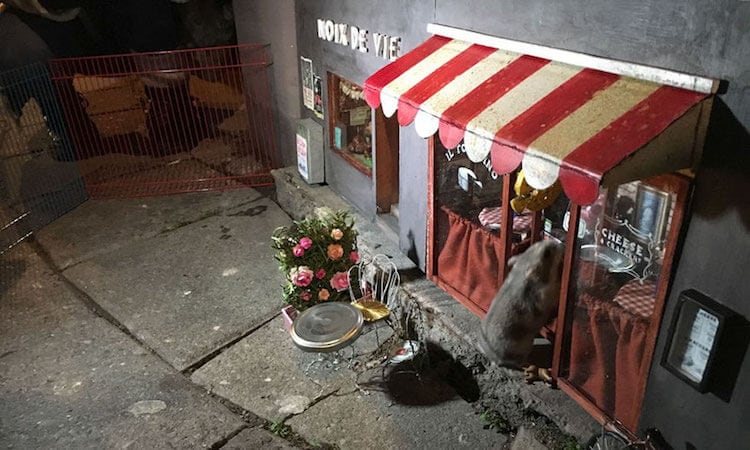

About Malmö
- Located in Scania, Sweden’s southernmost province
- Third largest city in Sweden after Stockholm and Gothenburg
- Administrative centre of both Malmö Municipality and Skåne County
- Urban area crosses a municipal boundary into Burlöv
- Known for contemporary architecture, waterfront redevelopment, and dense street-level city life
Read the full overviewWhy does Malmö matter?, What does Malmö look like on the ground?, How has Malmö influenced art and design?, What is Malmö’s place in Scandinavia?
Why does Malmö matter?
Malmö became prominent through trade, shipping, and industry, then reinvented itself as a post-industrial city with a strong focus on architecture, education, services, and cultural production. That shift left a visible mark on the city fabric: old docklands, railway lands, and factory districts have been reused for housing, offices, galleries, and public space. The result is a city where new construction sits close to older brick streets, making changes in planning easy to read.
Its role in Scandinavian urban culture is larger than its size alone would suggest. Malmö is closely tied to the Öresund region, which links Sweden and Denmark through the Öresund Bridge, and that cross-border position has helped shape its outlook as a connected, international city. Designers, photographers, and artists are drawn to that mix of civic infrastructure, everyday streets, and experimental building.
What does Malmö look like on the ground?
Malmö’s centre combines compact blocks, canals, squares, and a strong pedestrian street network. The city’s older quarters still carry traces of its earlier merchant history, while newer districts show the scale of late twentieth- and early twenty-first-century urban renewal. In places such as Western Harbour, former industrial land has been turned into a waterfront district with promenades, apartment blocks, energy-conscious buildings, and carefully staged public edges.
That variety gives Malmö a distinctive visual rhythm. Brick warehouses, apartment slabs, contemporary towers, and detached domestic streets can all appear within a short distance of one another. For photographers, the city offers clear lines, changing light from the water, and a layered streetscape where infrastructure and public life remain visible rather than hidden.
How has Malmö influenced art and design?
Malmö has supported work that depends on the city as a stage. Public art, small-scale interventions, and street-level storytelling all find room there because the urban environment is legible and easy to navigate. The city also has a strong reputation for architecture and design culture, helped by its universities, exhibition spaces, and repeated cycles of redevelopment that produce both new buildings and public debate about them.
That makes Malmö useful to artists working with site-specific ideas. The tiny storefronts and mouse-scale installations of AnonyMouse, for example, depend on the city’s footpaths, facades, and local recognisability; they make sense because Malmö is a real, textured city with enough detail to support miniature fiction. Likewise, urban photographers often use Malmö to study how Scandinavian cities balance utility, planning, and visual restraint.
What is Malmö’s place in Scandinavia?
Malmö belongs to a wider southern Scandinavian urban region rather than standing apart as a provincial outpost. Its closeness to Copenhagen has made it part of a transnational labour, transport, and cultural corridor, and that connection continues to shape how the city grows. This position gives Malmö a particular identity: Swedish in governance and language, but outward-facing in its economy and built form.
For reference purposes, it helps to think of Malmö as both a city and an interface. It is a place where rail lines, bridge links, reclaimed port land, and new residential districts all carry the history of movement across borders and across industrial eras. That combination of infrastructure and everyday urban life is what gives the city so much visual interest.
Frequently Asked Questions
Is Malmö the capital of Sweden?
No. Stockholm is the capital of Sweden. Malmö is the administrative centre of Malmö Municipality and Skåne County, which makes it an important regional city without making it the national capital.
Why is Malmö often mentioned in architecture and photography?
Malmö has a dense and varied built environment, with older streets, post-industrial redevelopment, and prominent contemporary projects all close together. That creates strong contrasts in material, scale, and urban planning. Photographers and architects use the city to study how Scandinavian cities adapt former industrial land.
What makes Malmö different from other Swedish cities?
Its southern location and proximity to Denmark give it a more border-crossing identity than many Swedish cities. It also has a highly visible record of urban change, especially in dockland redevelopment and public-space design. Those conditions make Malmö feel both everyday and experimental at once.