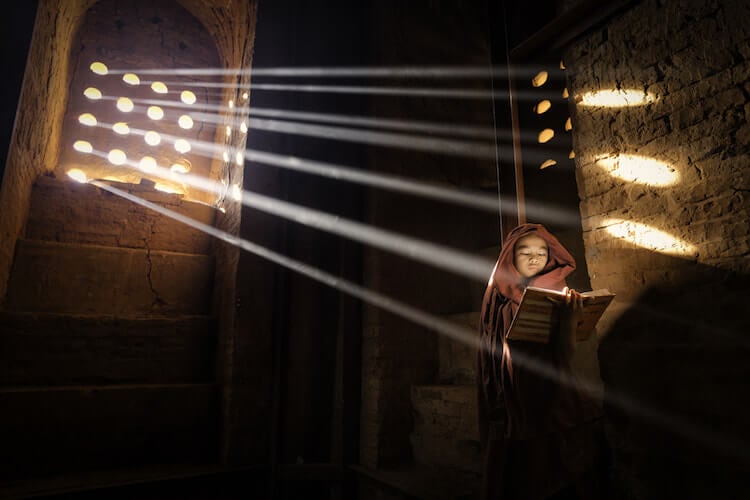
Marcelo Castro is a photographer known for quiet, observational work that focuses on people, place, and atmosphere, including a photo story about young monks. His name appears in FreeYork as an image-maker rather than as a public figure defined by a long institutional career, so the clearest way to understand him is through the kind of pictures associated with him: restrained, narrative, and attentive to daily life.
| Field | Details |
|---|---|
| Occupation | Photographer |
| Known for | Documentary and editorial photography with a calm, contemplative tone |
| Subjects | People, travel, cultural scenes, religious life, and everyday environments |
| Style | Natural light, close observation, patient framing, minimal visual noise |
What kind of photographer is Marcelo Castro?
Marcelo Castro works in photography that privileges mood and observation over spectacle. His images, as the young monks story suggests, are built around lived experience: gestures, clothing, architecture, and the way bodies sit in space. That makes his work easy to read but not simple; the pictures hold back rather than pushing for drama.
This approach places him near documentary and editorial photography, where the photographer must describe a world clearly while still making an image that carries feeling. The result is usually a photograph that seems unforced. Light, composition, and timing do most of the work. The camera records a scene, but the photographer also edits what matters by choosing what to include and what to leave out.
Why does his work matter?
Photography like Castro’s matters because it preserves states of ordinary attention that are often lost in faster, louder image-making. A picture of young monks can become a record of discipline, ritual, and youth without needing explanation. It can also show how clothing, posture, and setting communicate a culture’s visual language.
In publications like FreeYork, this kind of work is useful because it reveals how photographs are constructed. The calm surface often hides a series of precise choices: waiting for an unguarded moment, using available light, and composing around architecture or repetition. Those decisions shape how a subject is understood, and they give the image its documentary authority.
What does his photography look like in practice?
Castro’s work, at least in the context of the monk series, suggests a preference for natural color and quiet tonal range. Such photographs often rely on soft daylight, muted backgrounds, and a limited palette, which helps small details stand out: folds in fabric, shaved heads, hands at rest, or a corridor receding behind a figure. These elements create rhythm without making the scene feel staged.
The practical side of that style depends on restraint. The photographer must move carefully, work with the environment instead of against it, and wait for a composition that feels true to the place. In religious or intimate settings, that restraint is part of the craft itself. The camera becomes a tool for witnessing, not just for collecting images.
How should Marcelo Castro be understood in a visual-culture context?
Castro fits into a long tradition of photographers who use the medium to study people in context rather than isolate them from it. That tradition values empathy, structure, and visual clarity. It also depends on trust, especially when the subject is a community with its own routines and codes of conduct.
Seen this way, Marcelo Castro is less about celebrity authorship than about the role of the photographer as interpreter. His work shows how a photograph can be both descriptive and interpretive at once. It can document a specific moment and still suggest larger ideas about discipline, youth, spirituality, and the visual texture of a place.
Frequently Asked Questions
Is Marcelo Castro a documentary photographer?
He appears to work in a documentary or editorial mode. The available context points to photographs that observe real situations rather than constructed scenes. That does not exclude strong styling or artistic control, but it does suggest a grounded relationship to the subject.
What subjects does he photograph?
The best-known reference here is a story about young monks, so religious life and portrait-like observation seem central to his published work. More broadly, his approach fits subjects where environment and routine matter as much as individual faces. That includes travel, cultural scenes, and everyday human activity.
What makes his style distinctive?
His style appears to favor calm, close attention, and naturalistic framing. Instead of dramatic effects, the pictures rely on composition, light, and timing. That gives the work a reflective quality and makes it feel rooted in real place and lived detail.
Articles mentioning Marcelo Castro