
Mumbai is a coastal Indian megacity and the capital of Maharashtra. Built on a former island chain on India’s west coast, it grew around a deep natural harbour and became the country’s main centre for finance, film, publishing, and commercial design. Formerly called Bombay, it is now one of the world’s most populous urban regions, with a dense mix of high-rises, colonial buildings, informal settlements, studios, workshops, and port infrastructure.
Stories from Mumbai
27 stories


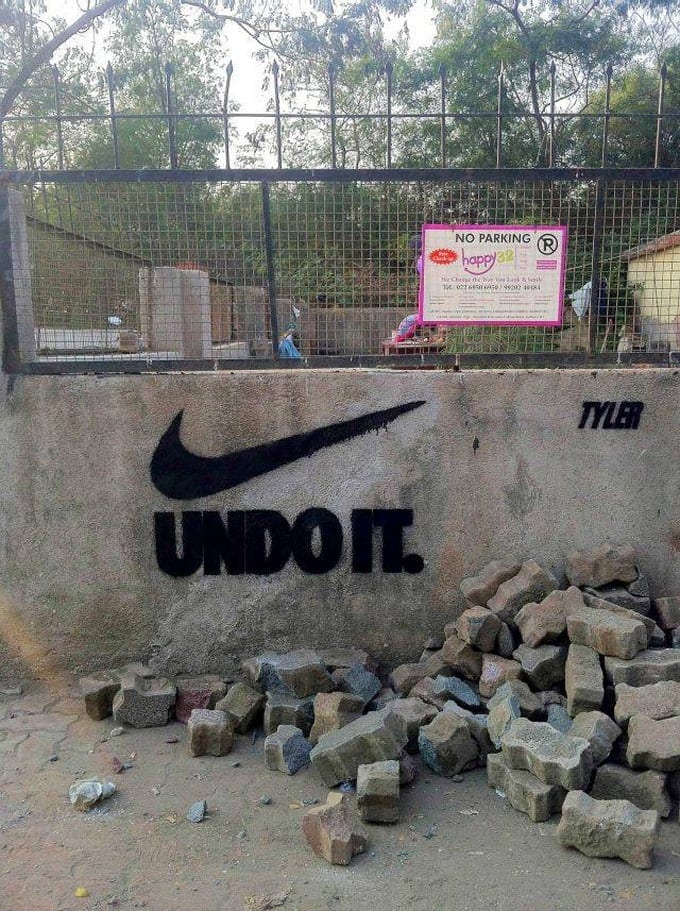
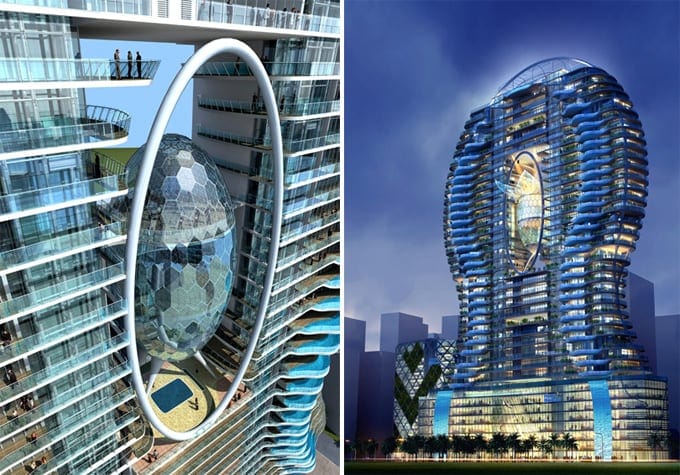


About Mumbai
- Location: West coast of India, on the Arabian Sea
- Status: Capital of Maharashtra
- Former name: Bombay
- Urban form: Dense peninsula city with major reclamation and harbour land
- Why it matters: A major centre for architecture, film, graphic design, craft, and commerce
Read the full overviewHow did Mumbai grow into a megacity?, What does Mumbai look like in practice?, Why is Mumbai important to design and visual culture?, Why do designers keep returning to Mumbai?
How did Mumbai grow into a megacity?
Mumbai’s modern shape comes from colonial port expansion, land reclamation, and the concentration of trade. The British fused several islands into a single urban landmass and turned the harbour into a hub for shipping, cotton, and administration. That infrastructure drew workers from across western and central India, and the city kept expanding through railways, mills, docks, and later the service economy.
The result is a city with extreme density and visible layers of history. Victorian Gothic civic buildings stand near Art Deco apartment blocks, bazaars, film studios, and informal settlements. That mix matters to designers because Mumbai compresses many kinds of building into one continuous street life, where public and private space are often negotiated at close range.
What does Mumbai look like in practice?
Mumbai’s built environment is defined by adaptation. Narrow streets, monsoon flooding, heat, salt air, and scarce land push architects and makers toward durable finishes, shaded edges, cross-ventilation, and compact plans. Apartments often rely on balconies, screened openings, terrazzo, brick, lime plaster, and polished concrete to handle climate and maintenance.
The city also supports a highly developed culture of making. Sign painters, quilters, paper artists, model makers, carpenters, metalworkers, and textile sellers all operate within the same urban field as architects and product designers. That proximity produces work that is often practical, layered, and materially direct rather than purely formal.
Why is Mumbai important to design and visual culture?
Mumbai is one of India’s main production centres for image-making and style. Hindi cinema and television give the city enormous influence over costume, set design, typography, poster art, and celebrity branding. Publishing, advertising, fashion, and architecture firms also cluster there, making the city a place where visual trends are tested at scale.
The city’s cultural identity is also tied to craft and ornament. Mumbai supports contemporary practices that use handwork in new ways, from intricate paper sculpture to quilted lettering and optical campaigns. These works often draw on the city’s density and movement: layers, repetition, bright colour, quick reading, and strong silhouettes.
Why do designers keep returning to Mumbai?
Designers return to Mumbai because it offers a clear lesson in compression. Space is costly, weather is demanding, and circulation never stops, so every decision has consequences. That forces attention to threshold, storage, ventilation, surface, and circulation in ways that are easy to miss in looser urban settings.
It is also a city of contrasts that can sharpen a project’s argument. A home can feel secluded without being detached from the street; a campaign can be playful while addressing a serious issue; a building can be modern without ignoring local craft. Mumbai rewards work that can handle complexity without losing clarity.
Frequently Asked Questions
Is Mumbai the same as Bombay?
Mumbai is the current official name of the city; Bombay was the colonial-era name and remained in common use for many years afterward. The name change took place in 1995, reflecting a wider effort to use local Marathi naming. In older books, films, and archives, Bombay still appears often.
What kind of architecture is Mumbai known for?
Mumbai is known for colonial-era civic architecture, especially Victorian Gothic buildings, as well as Art Deco apartment blocks along the seafront. It also has dense contemporary residential towers, old mill districts, and a large body of informal construction. The city’s architecture is less about a single style than about many styles compressed into one coastline.
Why does Mumbai matter in a publication about making?
Mumbai is a place where making is visible at every scale, from buildings and interiors to textiles, graphics, and film props. Its pressures of climate, land use, and crowding shape how objects and spaces are built. That makes it useful for understanding how material choices respond to real urban conditions.