
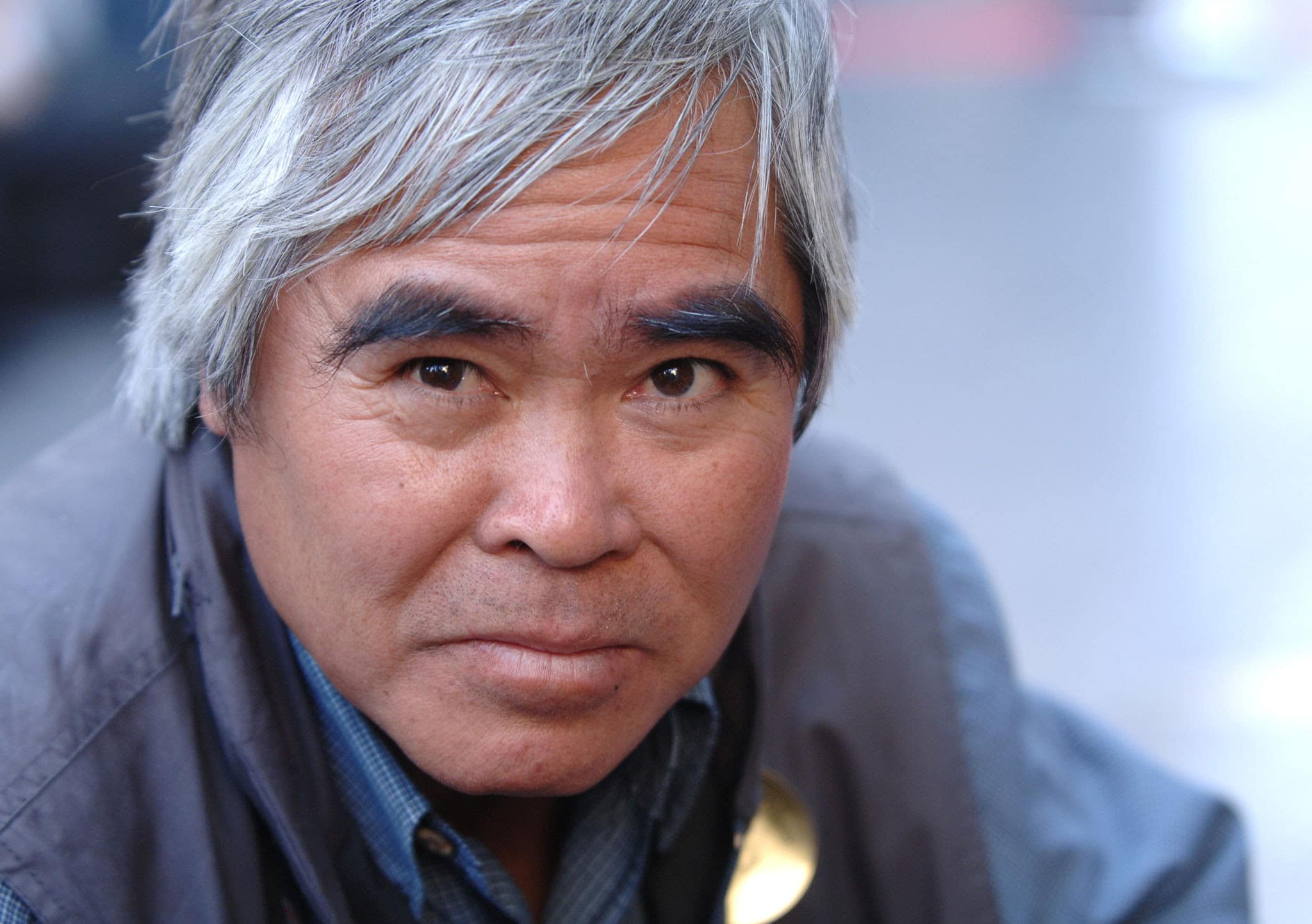
Nick Ut is a Vietnamese-born photojournalist best known for making The Terror of War, the 1972 photograph commonly called “Napalm Girl.” Working for the Associated Press during the Vietnam War, he produced one of the most influential news images of the 20th century and won the Pulitzer Prize for Spot News Photography the following year.
- Vietnamese-born Associated Press photographer.
- Made “Napalm Girl” at age 21, not 17, while covering the Vietnam War.
- The image became a global shorthand for the human cost of napalm and the war in South Vietnam.
- Won the Pulitzer Prize for Spot News Photography in 1973.
- His later career also involved managing rights and usage for his best-known photograph.
Who is Nick Ut?
Nick Ut was born Huỳnh Công Út in 1951 in Long An, then in South Vietnam. He began working as a photographer after the death of his brother, Huỳnh Thanh My, who had been an Associated Press photographer killed in the war. The AP hired him in Saigon, where he learned wire-service photography: fast shooting, careful captioning, and rapid transmission to editors around the world.
That newsroom discipline mattered. War photography often leaves little room for staged composition or polish, but Nick Ut’s work shows a strong eye for timing and framing even under pressure. He became one of the most visible visual chroniclers of the Vietnam War because his photographs were both immediate news records and enduring images with clear emotional force.
Why is “Napalm Girl” so important?
The Terror of War shows children fleeing a napalm attack on the village of Trảng Bàng. At the center is nine-year-old Phan Thi Kim Phuc, running naked and crying after her clothes were burned away. Nick Ut immediately helped the children after taking the picture, then sent the film to the AP office. The image spread quickly through newspapers and magazines and became one of the defining photographs of the war.
Its importance comes from what it made legible at a glance. The photo does not show strategy, policy, or battlefield abstraction; it shows a civilian body caught inside modern warfare. That directness gave the picture its force in public debate about the war, and it remains one of the clearest examples of how photojournalism can shape historical memory.
How was the photograph made?
Nick Ut shot the image on black-and-white film for the Associated Press, using the working methods of the press photographer rather than the art photographer. The picture was made in the field, under deadline, with no opportunity to refine lighting or composition. That urgency is part of its meaning: the photograph is not a constructed tableau but a record captured in the middle of chaos.
The image also depends on repetition and editing. Ut made several frames at the scene, and the AP selected the version that became famous. Like much news photography, the final icon is the result of a chain of choices: where the photographer stood, which frame survived processing, how editors cropped and distributed it, and how newspapers reproduced it on the page.
What does his career show about photojournalism?
Nick Ut’s career shows the dual nature of photojournalism: it is both reporting and image-making. A good wire photograph must arrive quickly, carry reliable information, and still hold up visually in print. Ut worked inside that system at a moment when photographs traveled through wire services, newspaper layouts, and public debate with unusual speed.
His later attention to image rights also points to a changing media economy. Early wire photography often circulated with weak or inconsistent control over ownership and licensing, while later decades made rights management a central issue for photographers. Ut’s best-known image therefore sits at the intersection of journalism, copyright, and the long afterlife of iconic photographs.
Frequently Asked Questions
Did Nick Ut really take “Napalm Girl”?
Yes. The photograph is widely credited to Nick Ut and won him the Pulitzer Prize in 1973. The image has sometimes been debated in popular discussion, but the AP’s attribution and the historical record identify him as the photographer.
Was Nick Ut only known for one photograph?
No. He produced many other images as an Associated Press photographer in Vietnam and later in the United States. Still, The Terror of War became so famous that it tends to define public memory of his career.
Why does the photo still matter?
It remains a shorthand for the civilian cost of war and for the power of press photography to alter public perception. Its endurance also comes from its stark visual structure: a child in distress, soldiers and smoke behind her, and a road leading the eye into the scene. The photograph still appears whenever people discuss the ethics and impact of war reporting.
Articles mentioning Nick Ut

