
Nokia is a Finnish technology company best known for building mobile phones and, later, telecommunications infrastructure and digital network equipment. It began in the 19th century as an industrial manufacturer and became one of the most recognisable names in consumer electronics during the mobile-phone boom of the late 1990s and 2000s.
Stories from Nokia
16 stories







About Nokia
- Founded in Finland in 1865 and later moved into electronics, cables, and telecommunications.
- Built some of the most widely used mobile phones of the GSM era, including durable feature phones and early smartphones.
- Helped define industrial phone design through physical keypads, compact shells, and famously robust plastic casings.
- Shifted away from handset dominance after the smartphone transition and now focuses mainly on network technology.
- Remains an important reference point in design history because its phones shaped everyday expectations of reliability, battery life, and mass-market usability.
Read the full overviewWhere did Nokia come from?, What made Nokia phones distinctive?, Why did Nokia matter in mobile design?, What does Nokia look like now?
Where did Nokia come from?
Nokia started in 1865 as a pulp mill on the Nokianvirta river in Finland, then expanded through a series of mergers into a broad industrial group. Over time it made rubber goods, cables, and electronics before entering telecommunications. The modern company emerged from that industrial base, which explains why its products often emphasised practicality, durability, and efficient manufacturing.
Its rise in consumer technology came during the spread of mobile networks in the 1990s. Nokia did not just sell phones; it helped standardise the experience of carrying a mobile device everywhere. That mattered because the company reached a huge global audience, from first-time phone owners to business users and teenagers buying their first text-message handset.
What made Nokia phones distinctive?
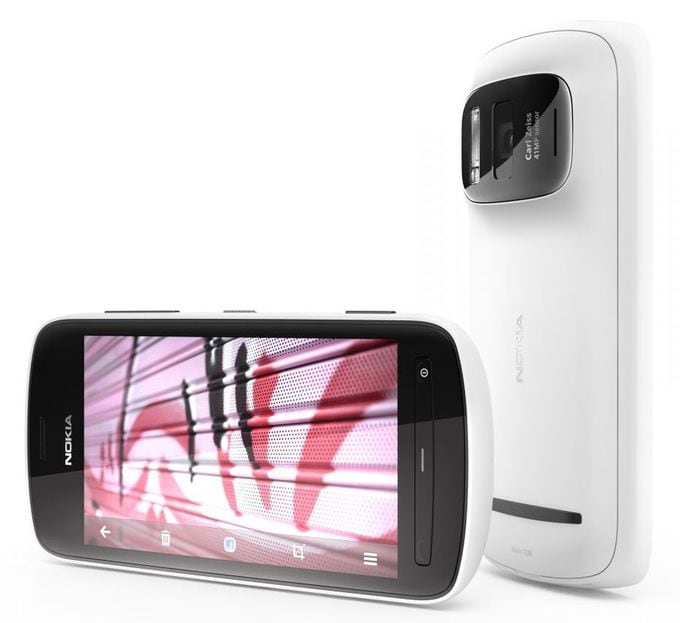
Nokia phones became known for simple interfaces, strong batteries, and physical designs that could survive heavy use. The company produced many of the defining feature phones of the era: the 3210, 3310, 8210, and later the N-series and E-series. These devices often used moulded plastic bodies, tactile keypads, and compact shapes that fit easily into a pocket or bag.
Design played a major role in Nokia’s appeal. The phones balanced utility with character, using saturated colours, rounded corners, swappable covers, and clear screen layouts. In practice, that meant products that looked approachable and felt engineered for repeated handling rather than fragile display pieces. The famous Nokia ringtone and the company’s reputation for toughness became part of the brand’s visual and cultural identity.
Why did Nokia matter in mobile design?
Nokia mattered because it helped establish what a mobile phone should look and feel like before touchscreens became standard. Its devices set expectations for button placement, menu structure, and ergonomic form. For many users, Nokia was the first company to make mobile communication feel ordinary rather than novel.
The company also pushed early mobile imaging, polyphonic ringtones, Java games, and web access on handsets. Some of these features now seem basic, but at the time they changed the phone from a calling device into a pocket computer. Nokia’s industrial design language influenced a generation of devices that prioritised clarity and portability over spectacle.
What does Nokia look like now?
After the smartphone market shifted toward iPhone and Android devices, Nokia’s handset business declined sharply. The Nokia name later appeared on phones made under licence by other manufacturers, while the company itself turned its main attention to network infrastructure, software, and patent licensing. That means the brand now lives in two different registers: as a memory of classic mobile design and as an active telecoms company.
In contemporary use, Nokia is more likely to appear in the background of digital life than in the hand. Its network equipment supports mobile and broadband systems rather than consumer styling. Still, the old phones remain visible in collections, resale markets, and design histories because they show a stage when industrial design had to solve problems of size, power, interface, and mass production with very limited hardware.
Frequently Asked Questions
Was Nokia always a phone company?
No. Nokia began as a 19th-century industrial business and only later moved into electronics and telecommunications. The phone business became the company’s most visible chapter, but it grew out of a much older manufacturing background.
Why are old Nokia phones still remembered?
They combined dependable hardware with a clear, approachable design language. Many models lasted for years, held charge for a long time, and used interfaces that were easy to learn. That made them memorable even after smartphones changed expectations.
Does Nokia still make phones?
The Nokia name still appears on phones, but the company itself now focuses mainly on telecommunications equipment and related technology. Handset production has moved through licensing arrangements rather than the old in-house consumer electronics model. The brand’s strongest legacy remains in mobile design history.