
Olga Kurylenko is a French actress and former model known for moving from fashion work into international film. She became widely familiar through action and thriller roles, especially as Camille Montes in Quantum of Solace and as Nika Boronina in Hitman.
Stories from Olga Kurylenko
1 story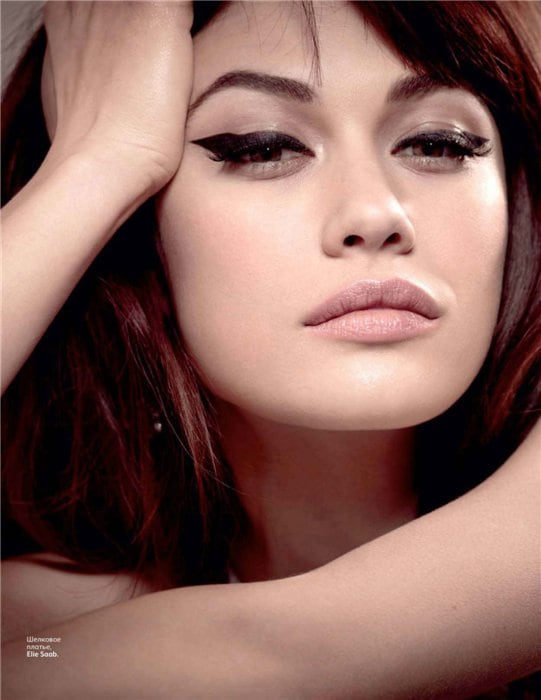
About Olga Kurylenko
| Born | 14 November 1979 |
|---|---|
| Nationality | French |
| Known for | Acting, modelling |
| Breakthrough roles | Hitman (2007), Quantum of Solace (2008) |
| Also credited as | Kurylenko |
Read the full overviewFrom modelling to screen acting, What made her film roles visible?, Why does Olga Kurylenko matter in fashion and film?, What does her work look like in practice?
From modelling to screen acting
Kurylenko began her public career as a model before becoming an actress. That route matters because it shaped the kind of visibility she first had: editorial fashion images, magazine covers, and advertising work created a recognisable face before film audiences knew her name. For many performers, the move from modelling to acting can feel like a sharp break; in her case, the transition was gradual and built on already being comfortable in front of cameras.
Her background also reflects a career that crossed national and industry boundaries. Born in Ukraine, she later worked in France and entered an international film market that often casts models in physically composed, image-conscious roles. That trajectory is common in contemporary screen culture, where fashion and cinema overlap in casting, publicity, and celebrity branding.
What made her film roles visible?
Kurylenko’s early film visibility came from parts in action-led productions. In Hitman, she played Nika Boronina, a character tied to the film’s criminal plot and high-stakes tone. A year later, she appeared in the James Bond film Quantum of Solace as Camille Montes, one of the more active and purpose-driven Bond women of the franchise’s modern era. These roles put her in productions that reached broad audiences and circulated heavily through posters, trailers, and press photography.
Her screen persona in these films combined glamour with toughness. That mix is part of why she stands out in visual culture: she is often cast not simply as decoration or romance, but as a figure who can carry action, tension, and self-possession. In practical terms, that means costuming, posture, and close framing are doing as much work as dialogue.
Why does Olga Kurylenko matter in fashion and film?
Kurylenko matters because she sits at the intersection of modelling and cinema, two industries that trade in image but use it differently. In modelling, the body and face are primary surfaces for styling and art direction; in film, they become part of a performance, shaped by editing, lighting, and character. Her career shows how a model can become a screen actor without losing the visual discipline that first made her marketable.
She also matters because her most visible roles arrived in globally distributed studio films, not just in niche European productions. That gave her a place in mass visual culture, where a single character can become shorthand for a film’s tone. For readers interested in how celebrity images are built, Kurylenko is a useful example of a performer whose public identity was assembled across fashion editorials, promotional stills, and action cinema.
What does her work look like in practice?
In practice, Kurylenko’s career has relied on controlled presentation. Modelling trained her in still imagery: angle, expression, and the ability to make clothing and styling read instantly. Acting added movement, timing, and character continuity. In film promotion, those skills meet again, because publicity stills and red-carpet appearances often echo the composure of fashion photography while selling a role rather than a garment.
Her work is also shaped by roles that depend on physical clarity. Action films ask performers to communicate quickly and legibly, often through movement more than exposition. Kurylenko’s parts in these films tend to be written and shot with that in mind, which is one reason her presence feels strong even when the scripts are economical. The result is a career built less on transformation than on precision.
Frequently Asked Questions
Is Olga Kurylenko mainly a model or an actress?
She is both, though public recognition now leans more toward acting. Modelling was her entry point into visibility, but film roles gave her broader international reach. Her career is best understood as a transition from fashion image-making to screen performance.
What roles made her famous?
Her most widely known parts are Nika Boronina in Hitman and Camille Montes in Quantum of Solace. Those films placed her in mainstream action cinema with global publicity. They also established the on-screen persona that many viewers associate with her: poised, elegant, and physically capable.
Why is she relevant to a visual culture publication?
Kurylenko is relevant because her career shows how fashion imagery and film stardom overlap. Her work involves styling, framing, and performance in equal measure. That makes her a useful figure for understanding how contemporary celebrity is built through pictures, roles, and promotion.