
Paul McCartney is an English singer, songwriter, bassist, pianist, and composer best known as a member of the Beatles and later as the leader of Wings. Born in Liverpool in 1942, he became one of the most influential popular musicians of the 20th century through his melodic writing, flexible bass playing, and wide-ranging recording career.
Stories from Paul McCartney
6 stories



About Paul McCartney
| Born | 18 June 1942, Liverpool, England |
|---|---|
| Known for | Songwriting, bass guitar, vocals, piano, composition |
| Breakthrough | The Beatles, formed in Liverpool in the early 1960s |
| Later work | Solo albums, Wings, film scores, collaborations, live performance |
| Notable partnership | Songwriting with John Lennon |
Read the full overviewHow did Paul McCartney become famous?, What does McCartney’s music sound like?, What did Wings add to his career?, Why does Paul McCartney matter in visual culture?
How did Paul McCartney become famous?
McCartney rose to fame with the Beatles, the Liverpool band that transformed popular music in the 1960s. He and John Lennon wrote many of the group’s best-known songs, often working by passing fragments, melodic ideas, and lyric lines back and forth until a full song took shape. That partnership produced music that felt immediate and durable, from early rock and roll singles to more elaborate studio work.
His role in the band was not limited to singing or bass. McCartney played piano, guitar, drums, and various studio instruments when a song needed them, and he became known for the clear melodic sense that runs through his writing. On bass, he moved the instrument away from pure support and into a more lyrical, busy part of the arrangement.
What does McCartney’s music sound like?
McCartney’s writing often starts with melody. Even in songs that lean on rhythm, he tends to build strong singable lines, then shape the harmony around them. That approach appears in upbeat pop songs, ballads, and more experimental tracks alike, which is part of why his catalogue crosses so many styles without losing a recognizable voice.
As a performer, he can sound polished and formal one moment, then rough and playful the next. He has written orchestral pieces, music hall pastiche, hard-driving rock, and intimate piano songs. His recorded work also shows a strong ear for studio texture: layered vocals, tape effects, strings, brass, and carefully arranged instrumental parts appear often in his best-known recordings.
What did Wings add to his career?
After the Beatles broke up, McCartney formed Wings with Linda McCartney and Denny Laine. The band let him reset his public identity and make music in a less burdened setting than the post-Beatles solo years. Wings combined accessible pop with road-tested rock and became one of the major British acts of the 1970s.
The group’s records and tours helped prove that McCartney could succeed outside the Beatles framework. Songs such as “Band on the Run” and “Live and Let Die” showed his ability to write for both radio and spectacle. Wings also made his live performance central again, with bigger arrangements and a more direct stage presence than the studio-bound image some listeners associated with him.
Why does Paul McCartney matter in visual culture?
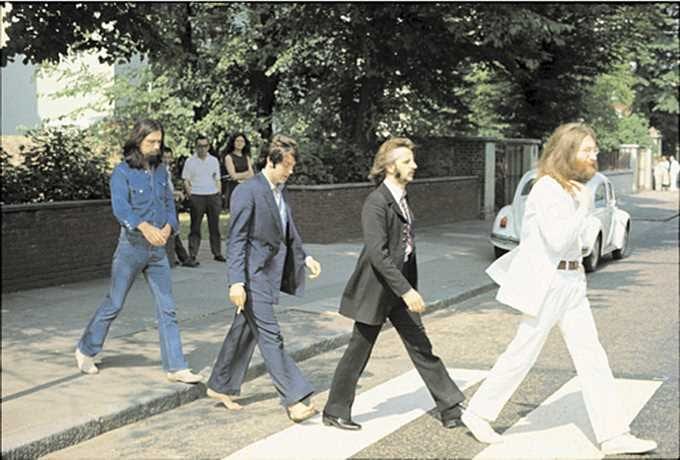
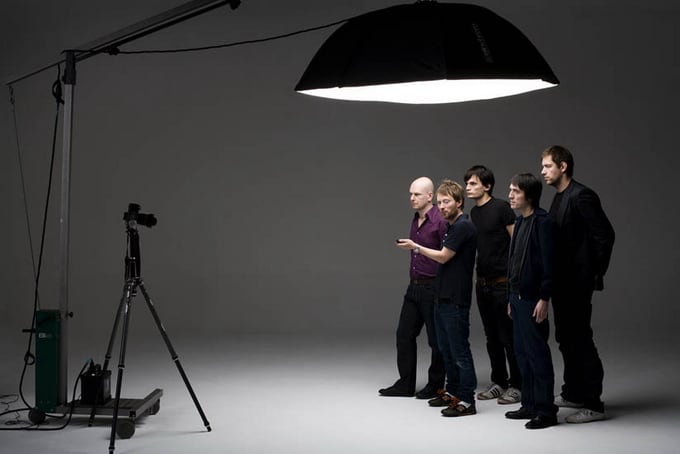
McCartney matters not only as a musician but as a subject of images, portraits, and documentary photography. He was photographed constantly during the Beatles years, when the band’s public image helped define youth culture, fashion, and celebrity portraiture in the 1960s. The contrast between the formal studio portrait and the candid backstage shot became part of how the public came to know him.
His later work kept that visual profile alive through album covers, tour photography, family images, and collaborations with photographers. Because he moved through so many roles—band member, solo artist, activist, husband, father, elder statesman—his picture changes with each period. That gives editors and photographers a wide set of visual cues: mop-top Beatle, suited pop star, touring veteran, and quietly domestic artist.
Frequently Asked Questions
Was Paul McCartney mainly a bassist or a songwriter?
He was both, but songwriting defined his reputation most strongly. His bass playing shaped many Beatles recordings, yet the songs themselves gave him his lasting cultural reach. The combination mattered because his instrumental choices often served the melody rather than staying in the background.
Did McCartney only write upbeat pop songs?
No. He wrote ballads, experimental pieces, hard rock, and songs with a theatrical or nostalgic tone. His catalogue includes tender love songs, solemn reflections, and playful genre exercises, which is why it is so broad.
What made his partnership with John Lennon important?
Lennon and McCartney formed one of the most productive songwriting partnerships in modern popular music. Their different instincts often sharpened each other: one might push a song toward edge and ambiguity while the other pushed it toward melody and structure. That tension helped define the Beatles’ sound and set a model for collaborative pop writing.