
Ray Villafane is an American sculptor known for elaborate pumpkin carvings, action-figure work, and large-scale sculptures in sand and snow. He built a public profile by turning ordinary materials into expressive characters with sharp anatomy, theatrical faces, and a strong sense of motion.
Stories from Ray Villafane
1 story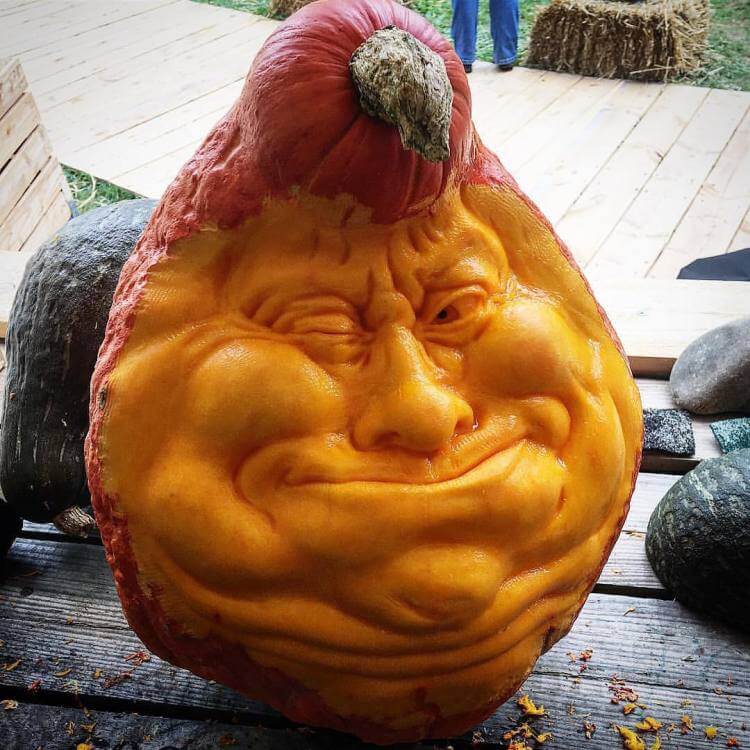
About Ray Villafane
| Born | March 5, 1969 |
|---|---|
| Nationality | American |
| Based in | Arizona |
| Known for | 3-D pumpkin carving, collectible figure sculpting, sand sculpting, snow sculpting |
| Mediums | Pumpkin flesh, foam, clay, sand, snow |
Read the full overviewWhat makes his work recognizable?, How did he become known?, What does his process involve?, Why does Ray Villafane matter?
What makes his work recognizable?
Villafane’s work stands out because it treats temporary materials as if they were permanent sculpture. In pumpkins, he carves deep shadows, stretched skin, teeth, wrinkles, and muscle structure so the forms read almost like portrait busts or horror miniatures. The effect depends on the natural color and thickness of the pumpkin rind and flesh, which he uses to create contrast without paint or added props.
The same approach carries into his other work. In action figures and collectibles, he emphasizes anatomy, gesture, and character design. In sand and snow, he scales up those instincts and works quickly, since the medium can collapse, melt, or dry out before the piece is finished.
How did he become known?
Villafane came to wider attention through his pumpkin carving, especially the 3-D style that pushes far beyond simple cut-out faces. Traditional jack-o’-lantern carving usually depends on silhouettes and surface cuts. Villafane instead removes material in layers, modeling the pumpkin more like a sculptor carving stone or clay, so the result has depth from every angle.
That method made him a recognizable seasonal figure in visual culture. His work circulated widely because it was both technically skilled and easy to understand at a glance: a familiar object transformed into something uncanny, comic, or dramatic. The pumpkin became a medium for portraiture, fantasy, and character acting.
What does his process involve?
His sculpting process changes with the material, but it usually begins with studying volume and structure before cutting. For pumpkins, that means planning where the rind can stay intact for skin tones or highlights and where deeper cuts can expose flesh for shadows. The knife work has to be decisive, because the material loses moisture and firmness as the carving continues.
In sand and snow, the process relies on packing, shaping, and carving while controlling stability. These mediums reward bold contours and clean planes more than tiny details. In resin, clay, or foam-based collectible work, the process becomes more controlled and durable, but the same concerns remain: proportion, expression, and a clear silhouette.
Why does Ray Villafane matter?
Villafane matters because he helped expand the idea of what pumpkin carving can be. He showed that a seasonal folk practice can support serious sculptural ambition, with anatomical accuracy, emotional expression, and a high level of finish. That has influenced how audiences understand carved pumpkins and how other makers approach the medium.
He also sits at the intersection of fine art, pop culture, and spectacle. His subjects often draw from monsters, caricature, and genre imagery, but the craft is disciplined rather than loose. The work depends on a strong command of materials, and on the ability to make fragile matter look animated and alive.
Frequently Asked Questions
Is Ray Villafane only a pumpkin carver?
No. Pumpkin carving is the work that made him widely known, but he also sculpts action figures, collectibles, sand sculptures, and snow sculptures. Those practices share the same core skills: form building, surface control, and a strong sense of character.
What is 3-D pumpkin carving?
3-D pumpkin carving uses layered cuts and depth rather than simple open-through shapes. The artist removes rind and flesh at different depths so the pumpkin creates shadows, highlights, and volume. It makes the pumpkin read as a sculpted object instead of a flat lantern.
Why do his pumpkins look so lifelike or expressive?
They look expressive because Villafane treats the pumpkin like a portrait medium. He uses anatomy, wrinkles, teeth, eyelids, and asymmetry to suggest emotion and personality. The natural texture of the pumpkin adds to the effect, especially when the carved surface catches light from the inside.