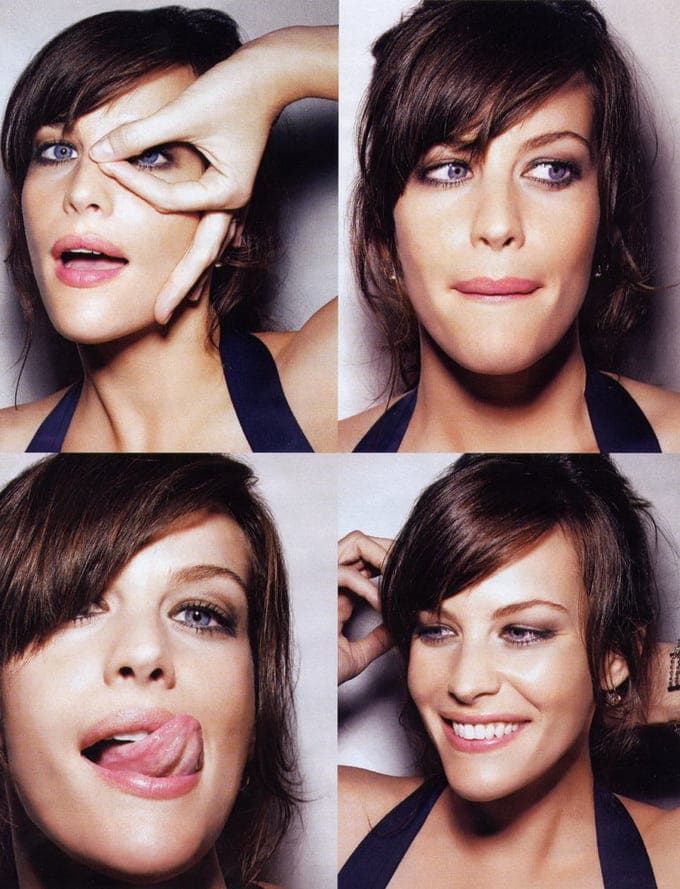
| Field | Detail |
|---|---|
| What it is | Scarlett Johansson is an American actor and singer known for work across independent film, studio franchises, and fashion photography. |
| Born | November 22, 1984, in New York City, United States. |
| Known for | Screen roles in Ghost World, Lost in Translation, Match Point, Her, and the Marvel Cinematic Universe. |
| Early screen work | Film debut in North (1994), with an early breakthrough in Manny & Lo (1996). |
| Other work | Recording as a singer, plus a sustained presence in magazine portraiture and red-carpet imagery. |
Scarlett Johansson is an American actor and singer whose image has moved easily between independent cinema, blockbuster franchises, and high-gloss editorial photography. She first appeared on film as a child in North (1994), then drew attention with Manny & Lo (1996), The Horse Whisperer (1998), and Ghost World (2001). Her career matters not because it sits in one lane, but because it shows how contemporary celebrity is built across performance, styling, and image-making.
How did Scarlett Johansson become so visible?
Johansson’s visibility grew through a run of roles that made her recognisable to both critics and mass audiences. Early performances established a composed, understated screen presence, while later parts in Lost in Translation, Match Point, and Her gave her a more adult public identity: cool, controlled, and often slightly aloof. That image proved adaptable, which is one reason she moved so smoothly into the Marvel films and other large commercial projects.
She also became a repeat subject for magazine portraiture, where lighting, wardrobe, and styling often shift her between glamour, distance, and intimacy. In editorial and red-carpet contexts, her face and silhouette are treated as a design surface as much as a celebrity subject: soft-focus beauty in one setting, severe tailoring in another, sometimes paired with retro hair, sculptural jewellery, or period references.
What does her image look like in practice?
Johansson’s published photographs often rely on contrast. A photographer may frame her in polished black-and-white, use dense colour and theatrical makeup, or place her in a baroque or old-Hollywood register. Those choices matter because her public identity is not limited to acting credits; it is also assembled through pose, fabric, light, and surface texture. Satin, velvet, sequins, and sharply cut tailoring recur in images of her because they support a version of celebrity that reads as expensive, composed, and carefully art-directed.
That visual flexibility explains why she appears in fashion publications, awards-season coverage, and portrait series by different photographers. The same subject can be styled to suggest youth, authority, sensuality, or distance, and Johansson has often been used to test that range. Her face is widely legible, but not fixed to a single character type, which gives editors and photographers room to build distinct narratives around her.
Why does she matter to visual culture?
Johansson matters as a case study in how modern film stardom works as an image system. Her career spans child acting, indie credibility, franchise fame, and fashion editorial, showing how celebrity now depends on circulation across film posters, magazine spreads, press events, and online image archives. The result is less a single persona than a managed series of versions, each calibrated for a different audience.
For publications focused on making, she is relevant because the materials around her are part of the message: wardrobe, cosmetics, hair, photographic grain, studio backdrops, and even the editing style of a spread all shape the final reading. Her presence in articles about fashion portraiture and celebrity imagery reflects that reality. The subject is not only the performer, but the production of recognisable public identity through visual form.
What kinds of roles defined her early career?
Her early film work positioned her as an unusually assured child performer, then as a young adult actor able to carry emotionally precise, understated roles. Manny & Lo brought her an Independent Spirit Award nomination, and The Horse Whisperer widened her profile. Ghost World became especially important because it linked her to a cooler, more offbeat register of American cinema rather than conventional teen stardom.
That early trajectory helps explain her later longevity. She was not launched solely through spectacle or tabloid visibility, but through films that gave her a stable screen grammar: stillness, restraint, and a capacity to read as both approachable and remote. Those qualities translated well into the editorial world, where photographers often seek subjects who can hold an image without overplaying it.
Frequently Asked Questions
Is Scarlett Johansson mainly known as a film actor or a celebrity figure?
She is first known as a film actor, but her public identity extends far beyond the screen. Fashion magazines, award-season photography, and publicity campaigns have made her one of the most recognisable celebrity images of the last two decades. That broader visibility is part of why she appears so often in discussions of portraiture and contemporary celebrity culture.
What made her early career stand out?
Her early work stood out because it avoided the obvious child-star template. Films like Manny & Lo and Ghost World presented her as composed and self-possessed rather than overtly cute or theatrical. That gave her a rare kind of transition into adult roles, where her image could mature without needing a complete reinvention.
Why does she appear so often in fashion and portrait photography?
Johansson photographs well because her image can be styled in many directions without losing recognisability. Photographers and editors can push her toward glamour, austerity, nostalgia, or sensuality, and the resulting image still reads instantly. That flexibility makes her useful in fashion media, where a subject often has to carry both a product story and a visual mood.
Articles mentioning Scarlett Johansson