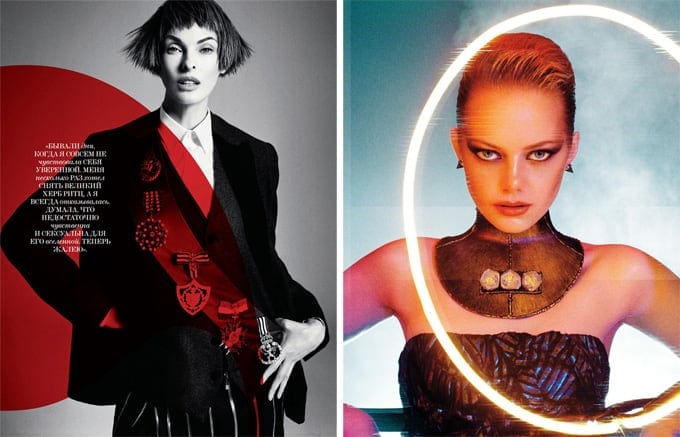
Thom Browne is an American fashion designer known for recasting classic tailoring into a highly coded modern uniform. He founded the Thom Browne label in New York and built a business around sharply cropped suits, narrow proportions, grey flannel, tricolour stripe motifs, and a disciplined silhouette that appears in menswear, womenswear, and accessories.
- Founded: Thom Browne brand, New York City
- Primary field: fashion design, especially tailored clothing
- Known for: shrunken suiting, grey palettes, school-uniform references, and strict proportion play
- Recognition: CFDA Menswear Designer of the Year in 2006; GQ Designer of the Year in 2008
- Practice: applies the same visual language across ready-to-wear, runway, and collaborations
What makes Thom Browne’s design language distinctive?
Browne’s work is built on restraint and repetition. He often starts from the conventions of American menswear—tailored jackets, button-down shirts, neckties, Oxford cloth, wool suiting—and then compresses, shortens, or slightly misaligns them so they read as deliberate rather than conventional. A jacket may sit too high on the wrist, trousers may crop above the ankle, and a tie may look too narrow or too formal for the scale of the body.
That tension between conformity and distortion is what gives the work its force. The clothes can appear severe, almost ceremonial, but they are usually made from familiar materials: worsted wool, flannel, cotton shirting, tweed, and knitwear. Browne uses those ordinary fabrics to stage an idea of control, gender play, and institutional dress codes.
Where did his approach come from?
Browne emerged from the American fashion system at a moment when tailoring was being rethought as a conceptual tool, not just a business category. His earliest reputation came from menswear, where he treated the suit as a structure that could be edited with precision. The work connected with a broader interest in uniform, repetition, and identity, but it never became abstract for its own sake; it remained rooted in the construction of garments.
The brand’s visual references often draw on mid-century office dress, prep-school dress, and formal ceremonial wear. Browne pushes those references into a stylized register through proportion, finish, and presentation. Runway shows frequently reinforce the same message with stripped-back sets, repeated looks, and disciplined styling, making the clothing feel like part of a system rather than a standalone fashion statement.
How does Thom Browne clothing look in practice?
In practice, Browne’s garments are instantly recognizable by their cut. The jackets are narrow through the torso, the sleeves can be abbreviated, and the hemline may land higher than expected. Trousers are often tapered and cropped, shirts are crisp, and outerwear can look compact and architectural. The effect relies on exact tailoring; the clothes only work when the proportions are controlled to the millimeter.
The brand is also known for a strict palette, especially grey, navy, white, and black, broken by signature red, white, and blue striping. That restraint helps the clothing read as a system of signs. A stripe at the cuff, a set of grosgrain tabs, or a row of precise buttons can function like a logo without replacing the garment’s construction.
Why does Thom Browne matter in fashion?
Browne helped make extreme tailoring commercially visible at a time when casual dress dominated much of menswear. He showed that a suit could still feel radical if its proportions, styling, and staging were changed carefully enough. That influence spread beyond his own label, especially in the way designers began treating tailoring as a site for conceptual editing rather than simple refinement.
His importance also lies in the consistency of the brand. Browne has extended the same visual code into womenswear, runway presentation, home goods, eyewear, and collaborations, proving that a strong fashion identity can travel across categories without losing clarity. For magazines, campaigns, and product collaborations, that makes him a useful designer to pair with other highly specific visual systems.
Frequently Asked Questions
Is Thom Browne a luxury brand or a concept label?
It is both. The brand sits in the luxury market, with high-end tailoring, ready-to-wear, and accessories, but its appeal depends on a clear concept about proportion, uniform, and dress codes. The garments are expensive because they are carefully made, not because they are plain.
Why are Thom Browne suits so short?
The shortened silhouette is one of Browne’s central ideas. By changing the length of the jacket and trouser break, he shifts familiar tailoring into something more graphic and self-aware. The cut makes the body look compressed and formal at the same time.
What materials are most associated with his work?
Grey flannel is the strongest signature, along with wool suiting, cotton shirting, knitwear, and grosgrain trim. Those materials matter because they come from standard menswear and school-uniform traditions, which Browne then edits with precision. The point is not novelty fabric but a new reading of familiar cloth.
Articles mentioning Thom Browne