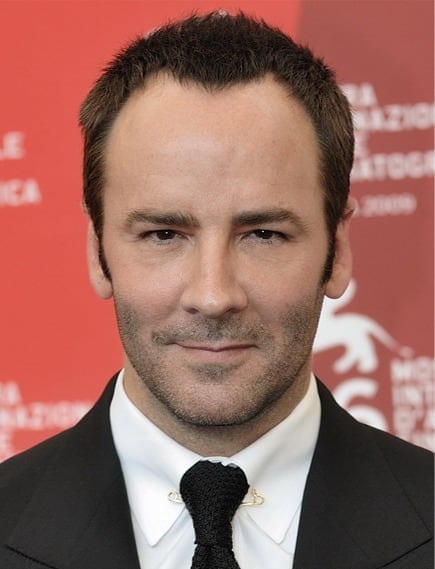
Tom Ford is an American fashion designer and film director whose name became synonymous with sleek, high-gloss luxury in the 1990s and 2000s. He first reshaped Gucci with sharp tailoring, sensual advertising and a disciplined brand image, then built Tom Ford into a fashion and beauty label known for the same polished, controlled aesthetic.
| Field | Details |
|---|---|
| Full name | Thomas Carlyle Ford |
| Born | August 27, 1961 |
| Nationality | American |
| Known for | Creative direction at Gucci; founding the Tom Ford label; directing A Single Man |
| Signature areas | Fashion design, branding, advertising, fragrance, film |
How did Tom Ford become influential?
Ford rose to prominence at Gucci after joining the house in the late 1980s and taking on creative leadership in the 1990s. At the time, Gucci was struggling commercially and visually unfocused. Ford helped turn it into a modern luxury powerhouse by tightening the visual language, leaning into provocative glamour and making the clothes feel direct, sexy and expensive.
His influence came not only from design but from total image control. He worked across clothing, accessories, styling, advertising and store atmosphere, so the brand looked consistent from runway to magazine page to retail floor. That approach became a template for contemporary luxury branding.
What does Tom Ford’s style look like?
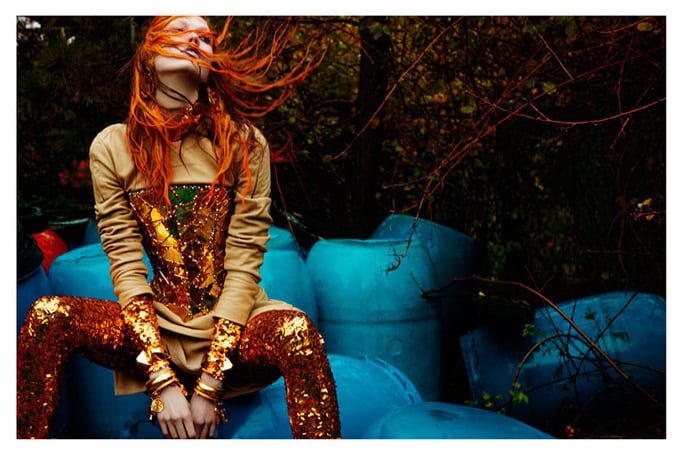
Tom Ford’s aesthetic favors sharp tailoring, glossy surfaces and a clear emphasis on sensuality. In menswear and womenswear alike, the clothes often use narrow cuts, satin, velvet, leather and deep, saturated color, balanced by a strict silhouette. The effect is polished rather than decorative, with every detail serving the impression of precision.
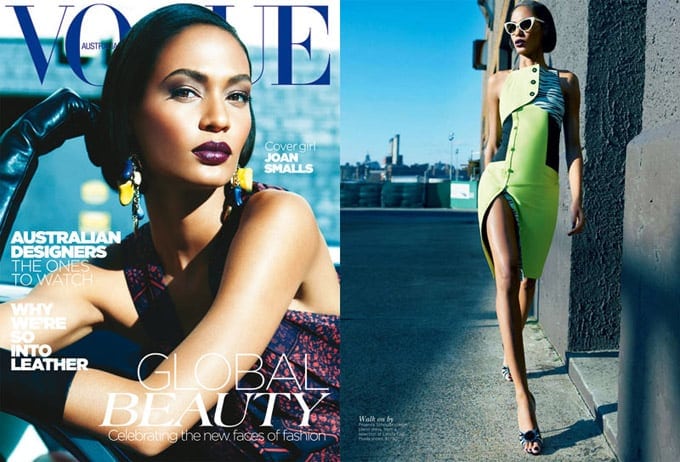
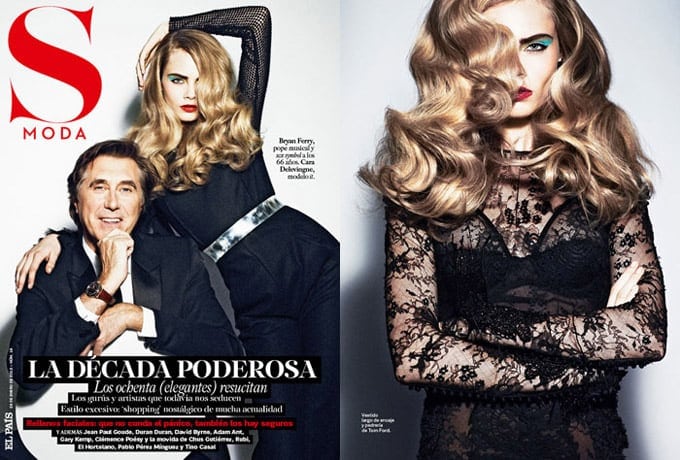
His work also relies on choreography around the garment: lighting, hair, makeup, pose and casting all matter. In editorial and campaign settings, that means models often appear cool, controlled and slightly remote, which reinforces the label’s image of expensive confidence. This is one reason his work has been so visible in fashion magazines and celebrity portraiture.
Why does Tom Ford matter in fashion and film?
Ford matters because he helped define a model of fashion leadership that extends beyond making clothes. He understood that luxury depends on narrative as much as product, and he used imagery, celebrity and branding to make that narrative feel coherent. Many later fashion houses followed the same logic: a designer becomes a world-builder, not just a pattern-maker.
He also moved successfully into film, directing A Single Man in 2009. The film showed the same visual discipline found in his fashion work: measured composition, refined surfaces and a close attention to clothing as character-building. That cross-over strengthened his public image as a designer with unusually strong control over atmosphere.
How is Tom Ford used in editorial and celebrity culture?
Editors and stylists often use Tom Ford pieces when a story needs glamour, sex appeal or a strong sense of adult sophistication. The label’s tailoring photographs cleanly, while its eveningwear and accessories can shift an image toward high drama without losing order. That makes it useful in magazine covers and fashion portraits where the goal is to project authority as much as beauty.
Ford’s brand also sits comfortably within celebrity dressing because it reads as unmistakably luxurious without needing much explanation. A Tom Ford suit, gown or fragrance immediately signals a specific type of refinement: expensive, edited and self-possessed. In practice, that recognition is part of the product.
Frequently Asked Questions
Is Tom Ford mainly a fashion designer or a film director?
He is primarily known as a fashion designer and brand builder. Film became a second, serious field of work rather than a side project, with A Single Man earning strong critical attention. The fashion career came first and remains the foundation of his reputation.
What was his role at Gucci?
Ford served as the creative force behind Gucci’s turnaround, shaping the brand’s look, mood and commercial identity. He helped move it from uncertainty to global visibility through cohesive design and provocative advertising. His period at Gucci is often cited as one of the clearest examples of a designer transforming a fashion house through image strategy.
What is the Tom Ford label known for?
The Tom Ford label is known for luxury ready-to-wear, tailoring, accessories, fragrance and beauty products. Its clothes usually emphasize cut, texture and a controlled sense of glamour rather than trend-driven novelty. The brand’s identity is built around consistency, polish and a clearly recognizable silhouette.
Articles mentioning Tom Ford