
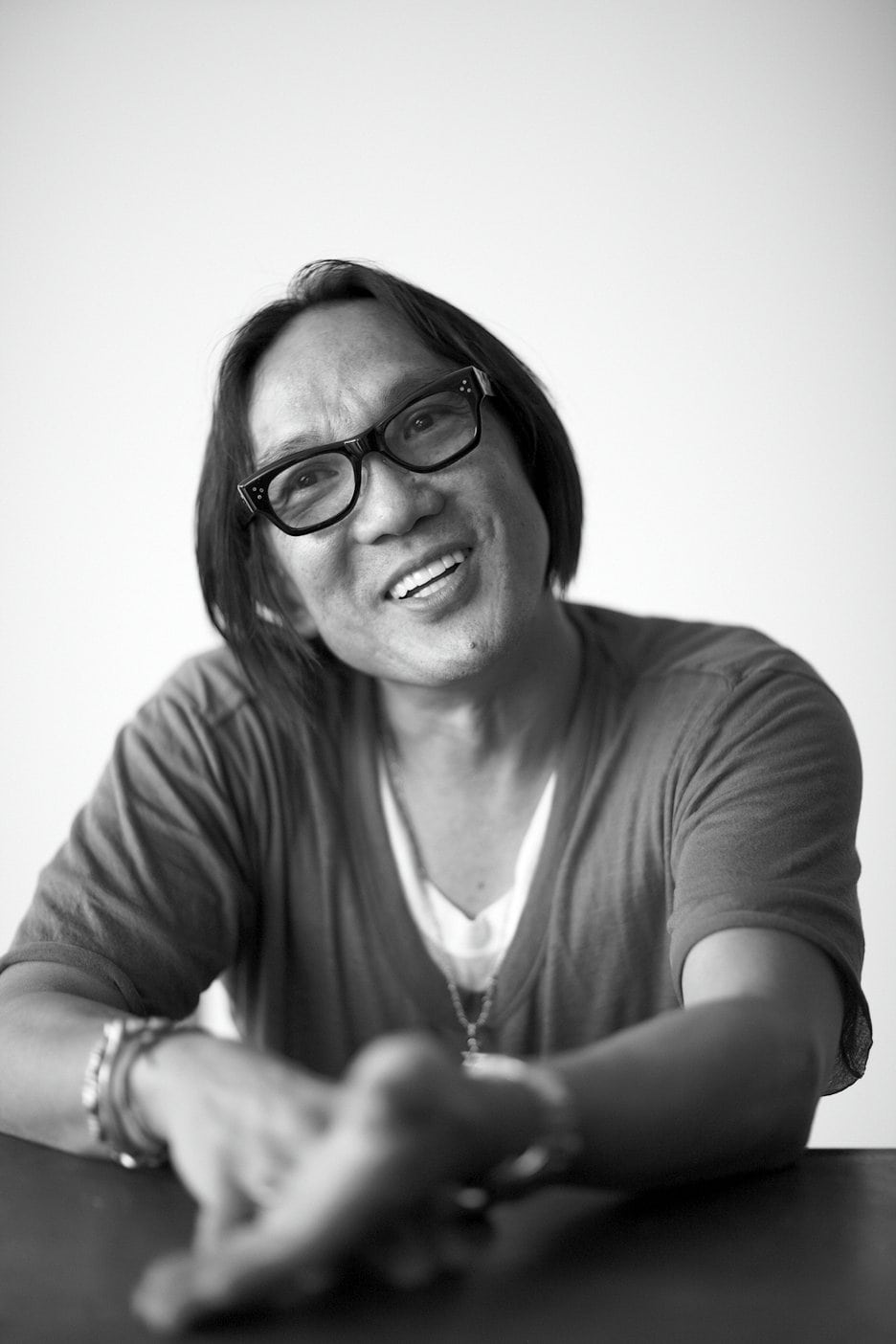
Walter Chin is a fashion and portrait photographer known for polished editorial images, magazine covers, and advertising campaigns for luxury and ready-to-wear brands. Born in Jamaica to a Chinese family, he built a career that moved from local training and study into the international fashion press, where his pictures appeared in titles such as Allure, Mademoiselle, Vogue, Vanity Fair, and Elle.
| Field | Photography |
|---|---|
| Known for | Fashion editorials, portraits, cover images, brand campaigns |
| Origin | Jamaica |
| Training | Apprenticeship in Jamaica; master’s degree from Toronto Western University |
| Notable clients | Chanel, Valentino, Tommy Hilfiger, and major fashion magazines |
How Walter Chin built his career
Chin’s path into photography began with apprenticeship, a practical route that emphasizes studio discipline, technical repetition, and close observation of working photographers. That foundation shaped a career that later extended far beyond Jamaica. After earning a master’s degree from Toronto Western University, he moved into international fashion photography, a field that depends on fast production, precise lighting, and the ability to direct models, stylists, and makeup teams on set.
His work circulated through the main channels that define fashion photography’s reach: magazine commissions, cover shoots, and commercial campaigns. That mix matters because it places him at the junction of editorial image-making and brand promotion, where a photographer has to satisfy both creative direction and the visual identity of a publication or house.
What does his photography look like?
Chin is associated with clean, controlled fashion imagery rather than rough or experimental street work. In practice, that usually means careful posing, strong attention to fabric and silhouette, and lighting that clarifies the clothes as much as the sitter. Fashion photographs like these often rely on surface detail: sheen on silk, the cut of a jacket, the line of a shoulder, or the contrast between skin and textile.
Because he worked across magazines and campaigns, the images had to perform different tasks. Editorial photographs needed to suggest mood and aspiration, while advertising images for Chanel, Valentino, or Tommy Hilfiger had to present products in a way that felt desirable and legible. The common thread is control: the frame is organized so the viewer reads the person, garment, and setting quickly.
Why his work mattered in fashion publishing
Fashion magazines depend on photographers who can make clothes look current without reducing them to catalog images. Chin’s international publication history shows that he worked inside that demanding system, where a photograph must travel from shoot day to print page and still hold attention. Covers and spreads in magazines such as Vogue and Vanity Fair carry particular weight because they help define how a season, a model, or a celebrity is seen.
His career also reflects a broader shift in fashion media toward globally sourced talent. A photographer born in Jamaica, trained through apprenticeship, and later active in major publishing centers brings a different visual background into a field long shaped by Paris, New York, and London. That mobility is part of what made fashion photography international rather than strictly local.
How was he used in advertising?
Commercial campaigns ask a photographer to translate a brand into pictures that are instantly recognizable. For a house such as Chanel or Valentino, that means balancing elegance with consistency: the image has to feel luxurious, but it also has to fit the brand’s history and design language. For a label such as Tommy Hilfiger, the look may lean more toward lifestyle and approachability, but the same technical demands remain.
Chin’s ability to move between editorial pages and advertising work suggests versatility in studio management, portrait direction, and visual storytelling. That versatility is central to fashion photography, where a photographer’s reputation often rests on how well they can adapt the same basic tools—camera, light, styling, and pose—to different commercial aims.
Frequently Asked Questions
Was Walter Chin mainly a fashion photographer or a portrait photographer?
He was both, though fashion photography appears to be the core of his public reputation. His magazine commissions and brand campaigns place him firmly in fashion publishing, while portrait work gave him room to focus on individual expression and celebrity presence. In practice, the two areas overlap closely, since fashion photography often depends on portrait skills.
What kind of publications featured his work?
His photographs appeared in major fashion and lifestyle magazines, including Allure, Mademoiselle, Vogue, Vanity Fair, and Elle. Those publications are important because they set the visual agenda for fashion culture, from model imagery to celebrity covers. Being published in them indicates both editorial trust and commercial visibility.
Why does his background matter?
Chin’s Jamaican and Chinese background, along with training in Jamaica and later study in Toronto, points to a career shaped by movement across cultures and institutions. That matters in fashion photography because the field often privileges a narrow set of centers and aesthetics. His career shows how a photographer can enter that system from elsewhere and still work at the highest level.
Articles mentioning Walter Chin
