
West Virginia is a U.S. state in the Appalachian region, known for its steep ridges, narrow valleys, coal seams, rivers, and small mountain towns. It became the 35th state in 1863, during the Civil War, after separating from Virginia. Charleston is the capital, while Huntington, Morgantown, and Martinsburg are among its other major cities. Much of the state’s visual identity comes from its terrain and extractive industries: logging, mining, railroads, and the infrastructure built to move raw material through difficult country.
Stories from West Virginia
2 stories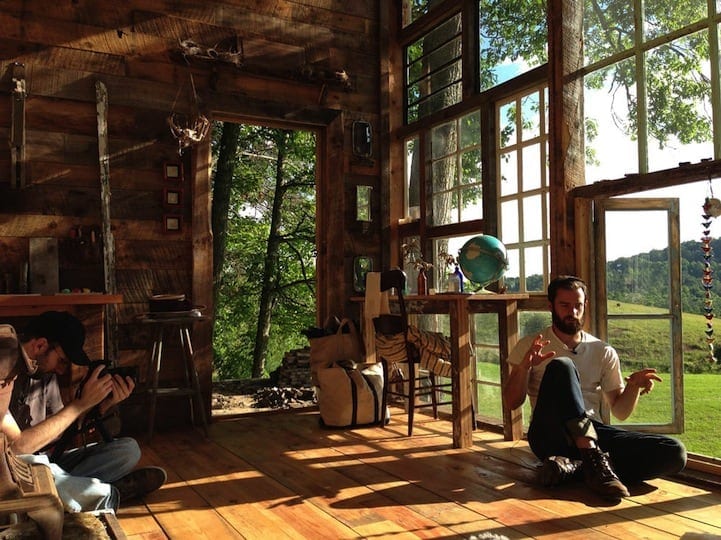

About West Virginia
- Part of the Appalachian Mountains, with a landscape shaped by ridges, hollows, rivers, and forests.
- Formed in 1863 after seceding from Virginia during the Civil War.
- Historically tied to coal mining, timber, rail transport, and other resource industries.
- Known for a built environment of modest towns, roadside structures, cabins, and industrial remains.
- A frequent subject for photography and design because of its mix of natural isolation and human-made traces.
Read the full overviewWhy does West Virginia look the way it does?, How is West Virginia connected to making and industry?, What does West Virginia mean in visual culture?, Frequently Asked Questions
Why does West Virginia look the way it does?
West Virginia’s visual character comes first from geology. The state sits on folded and eroded Appalachian terrain, where access has long been difficult and settlement followed river valleys, rail lines, and extractive sites. That has produced a landscape of strong contrasts: dense forest against stripped slopes, isolated houses against broad mountain views, and weathered industrial structures sitting close to former mining towns.
This same geography shaped how people built there. Materials were often local and practical: timber framing, cut stone, corrugated metal, concrete block, and later manufactured siding and prefabricated components. In older towns, civic buildings and churches may use brick or stone, but in rural areas the built environment often stays modest, repairable, and adapted to steep ground.
How is West Virginia connected to making and industry?
West Virginia’s modern history is closely tied to coal. Mining drove town building, rail expansion, company housing, and the growth of industrial corridors through the state. Coal also left a physical record that still matters to artists and designers: tipples, conveyors, abandoned tracks, hollowed-out landscapes, and machine parts that now read as sculptural objects.
Logging, glassmaking, chemical production, and rail transport also helped define the state’s material culture. These industries required durable structures and a workforce spread across remote places, so architecture tended to be functional before it was expressive. That practical heritage is one reason West Virginia often appears in photography and film as a place of emptied factories, roadside relics, and homes set against overwhelming terrain.
What does West Virginia mean in visual culture?
West Virginia has become a recurring setting in work that focuses on abandonment, resilience, and the afterlife of industry. Photographers are drawn to its abandoned houses, rusting machinery, and solitary cabins because the state offers strong evidence of labor, migration, and economic decline without hiding the beauty of the landscape. The result is often not ruin for its own sake, but a study of how human use marks a difficult place.
At the same time, the state is not only defined by loss. Contemporary makers, builders, and artists continue to work with wood, stone, glass, and found material in ways that reflect Appalachian craft traditions and the realities of rural construction. In that sense, West Virginia stands for both endurance and adaptation: a place where making has always meant negotiating terrain, climate, and limited resources.
Frequently Asked Questions
Is West Virginia part of the South or Appalachia?
It is both, though Appalachia is the more precise cultural and geographic frame. West Virginia is usually grouped with the Southern United States in federal and historical terms, but its mountain terrain, settlement patterns, and industrial history place it squarely in Appalachia. That dual identity shapes how the state is represented in art, music, and writing.
Why does West Virginia appear so often in photographs of ruins and abandoned buildings?
Its economy created many towns and structures that were tied to single industries, especially coal and rail. When those industries contracted, the buildings often remained, sometimes slowly decaying in place. Photographers are drawn to the clear surfaces of that change: peeling paint, sagging porches, rusted steel, and empty interiors set against dramatic hills.
What kinds of materials are most associated with West Virginia’s built environment?
Timber, stone, brick, metal roofing, and concrete block appear often, because they suited local conditions and industrial supply chains. In newer construction, manufactured siding and modular components are common as well. The material mix reflects a place where buildings have had to be economical, durable, and easy to repair.