
Zara is a Spanish fashion retailer founded in 1975 in Arteixo, Galicia, by Amancio Ortega and Rosalía Mera. It is the flagship brand of Inditex, the parent group behind labels such as Massimo Dutti, Pull&Bear, Stradivarius and Bershka. Zara built its reputation on fast-turnover womenswear, menswear, childrenswear and home goods, with a supply chain designed to move new styles from design to shop floor in a matter of weeks rather than seasons.
Stories from Zara (retailer)
6 stories


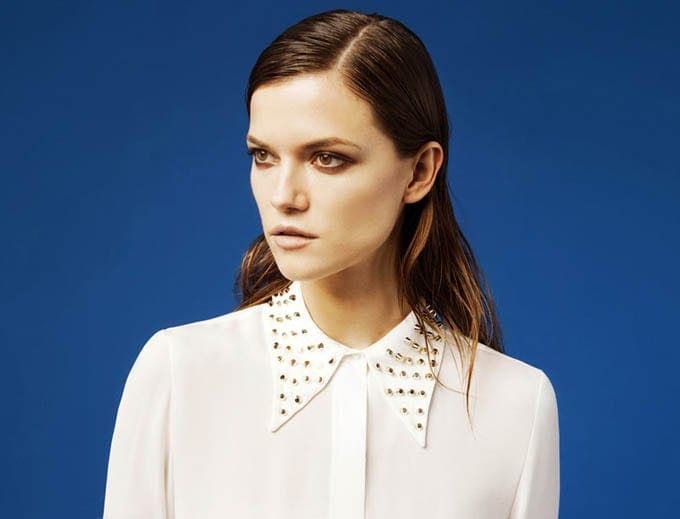


About Zara (retailer)
- Founded in 1975 in Arteixo, Spain
- Part of Inditex, one of the largest fashion groups in the world
- Known for fast fashion: short design-to-store cycles and frequent product refreshes
- Sells clothing, accessories and, through Zara Home, household goods and furnishings
- Also known for large-format stores and architecture-led retail interiors
Read the full overviewHow Zara works, Why did Zara become so influential?, What does Zara look like in practice?, Why do designers and critics pay attention to Zara?
How Zara works
Zara’s business model centres on speed and tight control. The company keeps design, buying, production, distribution and retail closely linked, which lets it react quickly to sales data and shift stock before a trend cools. Instead of treating fashion as a long seasonal pipeline, Zara releases a constant stream of new garments and accessories, often in limited runs that encourage quick purchase decisions.
That method depends on an industrial system as much as on design talent. Many Zara items are developed in-house, then produced through a network of nearby and overseas suppliers and routed through a highly organised logistics operation. The brand’s stores are used as testing grounds: items that sell well can be reordered, while slower lines are replaced with fresh stock.
Why did Zara become so influential?
Zara changed expectations for how fast a fashion retailer could move. Traditional clothing brands once worked on long lead times, with collections planned many months ahead. Zara compressed that timeline and made speed part of the product itself. The result was not only faster replenishment but also a new retail rhythm, where scarcity, novelty and constant rotation became central to the shopping experience.
That influence spread far beyond the company. Many fashion retailers adopted similar practices, including shorter production cycles, smaller initial orders and closer use of sales data. Zara also helped normalise a visual language of minimalist store design, wide product ranges and carefully staged merchandise, where layout, lighting and merchandising matter as much as the garments on sale.
What does Zara look like in practice?
A Zara store usually presents itself with a restrained, modern interior: neutral surfaces, strong lighting, broad sightlines and displays organised to make quick browsing easy. The architecture can be unusually ambitious for a chain retailer, especially in flagship locations where the brand uses local materials, custom furniture and dramatic spatial planning to create a sense of permanence around a fast-moving product offer. Some stores feel more like contemporary galleries or civic interiors than conventional shops.
Zara Home extends that approach into domestic goods such as textiles, tableware and furniture, often with a muted palette and clean-lined styling. The brand’s clothing ranges show the same logic: trend-aware pieces, simplified cuts and frequent updates, with design references drawn from runway fashion, streetwear and corporate basics. Zara does not usually sell craftsmanship in the artisanal sense; it sells access to current style through industrial design and rapid distribution.
Why do designers and critics pay attention to Zara?
Zara matters because it sits at the intersection of design, manufacturing and consumer culture. It is a retailer, but it also shapes what people expect from garments, retail spaces and turnaround times. Architects, product designers and visual culture writers often pay attention to Zara stores because the company uses physical space as a brand tool, not just a sales floor.
The brand also draws criticism. Its fast-fashion model raises questions about labour conditions, overproduction, environmental cost and the copying of design ideas. Those debates have made Zara a frequent reference point in discussions of authorship and originality, especially when its rapid development cycle appears to echo or borrow from more established designers and makers.
Frequently Asked Questions
Is Zara the same as Zara Home?
No. Zara is the main fashion retailer, while Zara Home is a separate line focused on household goods, furnishings and decorative objects. Both sit under Inditex and share a similar aesthetic of restraint, trend awareness and accessible pricing.
Why is Zara called a fast-fashion retailer?
Zara is called fast fashion because it can move from idea to store far more quickly than a traditional fashion house or department-store brand. Its system relies on short production cycles, frequent new deliveries and responsive stock control. That speed keeps the assortment changing and encourages repeat visits.
Does Zara design everything it sells?
Not every item is made from a fully original concept in the way a small studio might work, but Zara does develop and specify a large share of its range internally. The company also relies on a broad supplier network to produce garments and home goods at scale. Its strength lies less in one-off authorship than in turning trends into products very quickly.