


Unveiling Hidden Fears Through Art
Tye Martinez is a multidisciplinary artist known for merging photography, digital manipulation, and elements of horror and science fiction. His work isn’t about capturing reality; it distorts it into haunting visual metaphors featuring eerie landscapes, enigmatic shadows, and hovering figures. In Martinez’s world, ordinary suburban scenes are twisted into spaces of dread where everything feels slightly off.
The Emotional Core of Horror
Martinez bridges various art forms — from photography to painting and music — to explore emotional states. His use of horror serves not just to unsettle, but to articulate complex feelings like depression and anxiety, confronting these emotions without stigma. This artistic approach turns familiar spaces, like dark hallways, into embodiments of psychological tension, making visible what usually remains concealed.
For more intriguing photography that explores emotional depth and storytelling, discover how João Daniel Pereira captures global protests through stunning images.


Surreal Photography: A New Perspective on Alienation by Tye Martinez
Through his lens, a decaying house becomes a metaphor for isolation, while strange humanoid figures represent unspoken personal thoughts. Martinez challenges the conventional perception of these feelings, insisting they are not abnormal but part of the human experience.


Source: designyoutrust.com
Frequently asked questions
How does Tye Martinez use horror in his art?
Tye Martinez uses horror to articulate complex feelings like depression and anxiety, confronting these emotions without stigma. His work turns familiar spaces, such as dark hallways, into embodiments of psychological tension.
What materials does Tye Martinez use in his art?
Tye Martinez merges photography, digital manipulation, and elements of horror and science fiction in his art.
What themes are explored in Martinez’s photography?
Martinez explores emotional states, distorting reality into haunting visual metaphors. His work often features eerie landscapes, enigmatic shadows, and metaphorical decaying homes to represent feelings of isolation and unspoken personal thoughts.
More in
Photography
All Photography


More like this

Turning bitcoin into a house: Cyril Lancelin's Thought-Provoking Conceptual Art
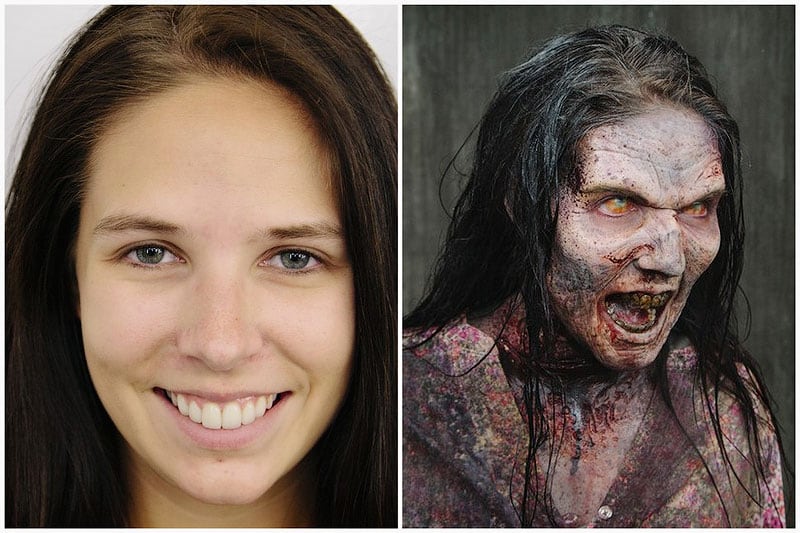
“Walking Dead” Make Up

An Irish Illustrator Creates Horror Stories That Will Send a Shiver Down Your Spine

Reza Afshar's Towering Sci-Fi Visions: From Vast Ruins to Alien Frontiers

“Baby Terrors” – An Adorable Series Re-Imagining Famous Horror Characters As Babies
