
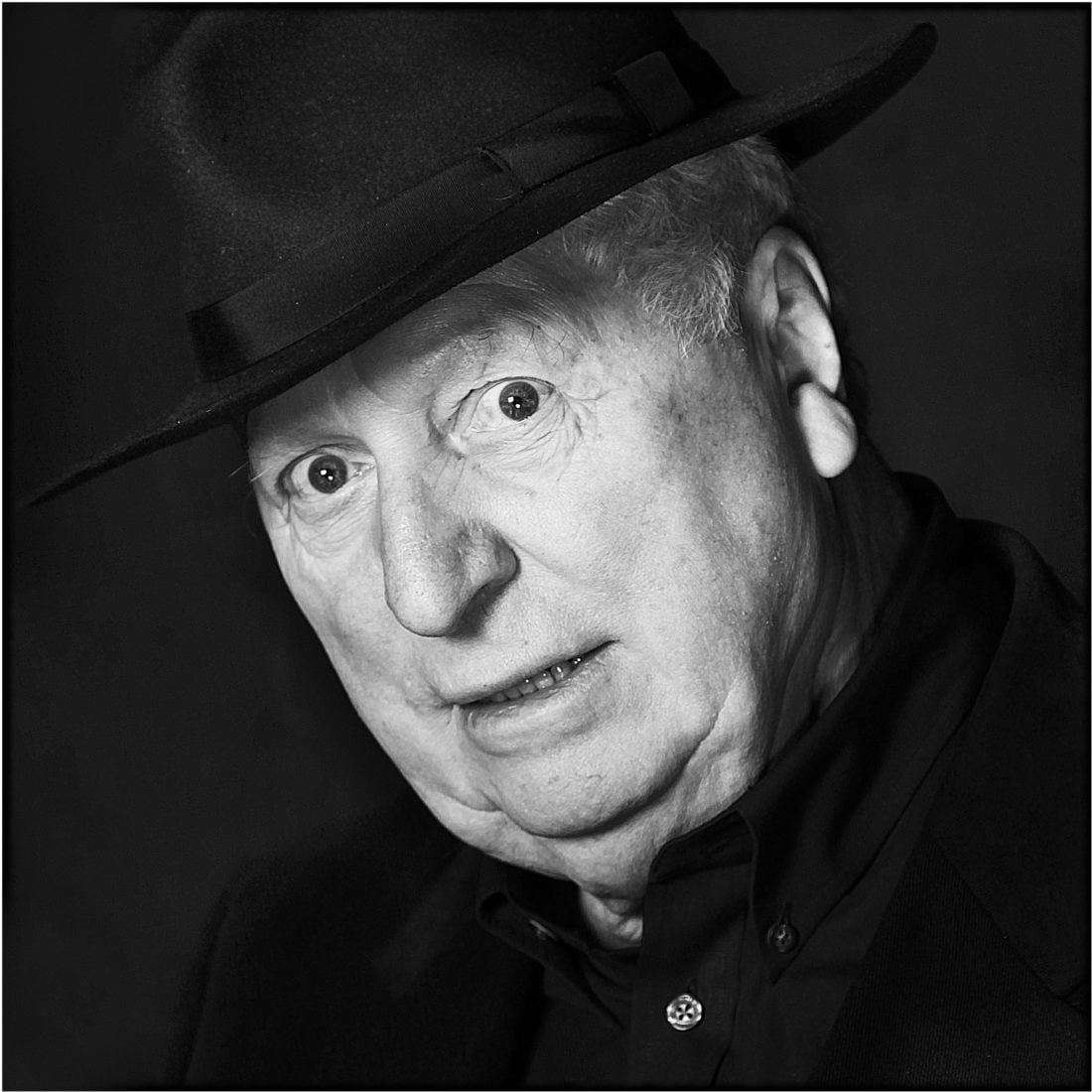
Tom Baker is an English actor best known for playing the fourth Doctor in Doctor Who from 1974 to 1981. He became one of the most recognisable faces in British television through a performance that mixed menace, wit and theatrical control, and he later worked across film, radio and voice acting.
| Born | 20 January 1934, Liverpool, England |
|---|---|
| Known for | Playing the fourth Doctor in Doctor Who |
| Profession | Actor |
| Active medium | Television, film, radio, voice work |
Why Tom Baker stands out
Baker’s name is tied above all to a specific television image: a tall figure in a long scarf, broad-brimmed hat and pointed, playful delivery. That version of the Doctor was not gentle or polished. He could be comic, odd, threatening and warm in the same scene, and that range made the character feel less like a children’s presenter and more like a strange force moving through the story.
His performance mattered because it helped fix the Doctor as a character who could carry tone, costume and dialogue as part of a larger visual identity. Baker did not just play lines; he shaped how the role looked and moved. For many viewers, the silhouette, voice and timing became inseparable from the idea of Doctor Who itself.
What made his Doctor distinctive?
Baker brought a strongly physical style to the role. He used his height, stillness and sudden bursts of energy to create tension, then undercut it with dry humour or absurdity. The long scarf, designed by costume maker James Acheson and famously turned into an oversized knitted prop, became a practical part of that performance rather than a mere accessory.
That look travelled beyond television into posters, toys, fan art and public memory. It also showed how costume can function as character design. The character’s clothes, gestures and voice formed a single package, making Baker a useful reference point for anyone studying performance as visual culture.
What else did he do?
Before Doctor Who, Baker worked in repertory theatre and film, building a career in the standard British stage-and-screen system. After leaving the series, he continued acting in television dramas, comedies, narrated programmes and audio productions. He also became a familiar voice for documentaries and animated work, where his deep, resonant delivery carried its own authority.
His career matters because it shows how a performer can become iconic in one role without being limited to it. Baker remained active for decades, often drawing on the same strengths: precise diction, a sense of mischief, and the ability to make formal language feel alive. That combination suited both genre television and narration.
Why does Tom Baker matter in visual culture?
Baker’s importance lies partly in how completely he fused performance with image. The fourth Doctor was not defined by realism or restraint, but by deliberate style: costume, colour, posture, props and phrasing all worked together. That makes Baker a useful example of how television creates characters through design as much as through script.
He also became a durable reference in fan culture and popular illustration. The character’s face, scarf and eccentric outline are instantly legible, which is exactly why the role keeps circulating in magazines, merchandise and online references. For a publication concerned with how things are made, Baker is a reminder that performance is built from visible choices.
Frequently Asked Questions
Was Tom Baker the original Doctor?
No. He was the fourth actor to play the role in Doctor Who. The part had already been established by earlier performers, but Baker’s long run made his interpretation one of the best known.
How long did he play the Doctor?
He played the role from 1974 to 1981, which is unusually long for the series. That length allowed his version of the Doctor to become deeply associated with the show’s identity. It also gave costume and performance details time to settle into public memory.
What is Tom Baker known for outside Doctor Who?
He is known for television and radio work, especially voice narration. His voice became a major asset in later projects, where the same authority that defined his screen presence could be used without appearing on camera. He also appeared in film and guest roles across British television.
Articles mentioning Tom Baker
