
Jeff Wall is a Canadian artist and writer known for large-scale photographic tableaux, especially back-lit Cibachrome transparencies mounted in light boxes. He emerged from Vancouver’s art scene in the early 1970s and became one of the best-known figures associated with staged, cinematic photography. Alongside his own work, he has written influential criticism on art and on fellow Vancouver artists.
Jeff Wall on FreeYork
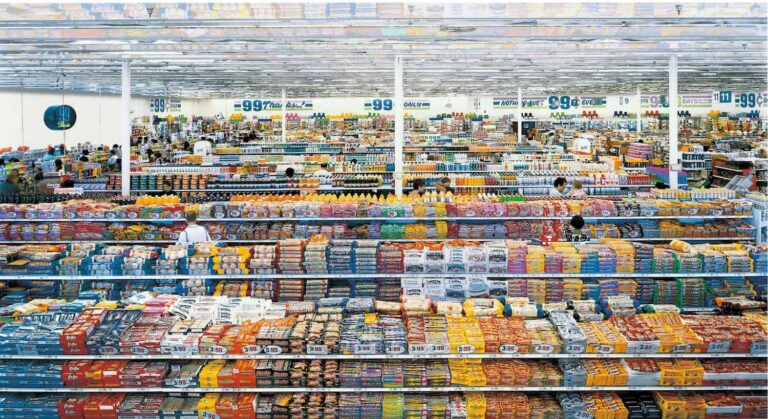
What makes Jeff Wall’s work distinctive?
Wall is best known for treating photography as something closer to painting and cinema than to quick documentary image-making. Many of his pictures are elaborately staged, with actors, props, lighting, and locations arranged to produce a single, highly controlled frame. The result often resembles a film still or a history painting translated into photographic form.
His signature format is the large transparent print illuminated from behind in a light box. In the 1970s and 1980s he became closely identified with Cibachrome, a color print material prized for dense blacks and vivid saturation. The backlighting gives the image a luminous, almost ad-like intensity, but Wall uses that presentation for scenes that are ambiguous, socially observant, or art-historically loaded.
How did he come out of Vancouver?
Wall’s career developed in Vancouver, where he helped shape what came to be called the Vancouver School, a loose group of artists associated with conceptual rigor, photography, and a critical attitude toward media images. The city mattered because it gave him access to a small but active contemporary art network and to an environment where photography could be treated as a serious fine-art medium rather than a secondary one.
He also helped define the intellectual side of that scene. Wall wrote essays on contemporary art and on artists including Rodney Graham, Ken Lum, and Ian Wallace. That dual role matters: his practice has always involved making pictures and also thinking and writing about what pictures do, how they circulate, and how they borrow from older visual traditions.
Why does Jeff Wall matter in photography?
Wall helped change expectations for what a photograph could be. Instead of relying on the claim that a photo records a passing moment, he made images that openly revealed construction, rehearsal, and artifice. That approach opened a path for later photographers who worked at large scale, used theatrical staging, or treated the photograph as a deliberately built image rather than a found one.
He also gave photographic display a new physical authority. A wall-mounted light box, especially at a large scale, makes the image occupy space like a painting or cinema screen. In museums and galleries, that presence affects how the work is read: less as a fleeting print and more as an object with a slow, deliberate viewing rhythm.
What does his work look like in practice?
A typical Jeff Wall photograph is large, sharply detailed, and built from careful composition. Figures often appear in ordinary or suburban settings, but the scene may hold a strange tension: a pause in an action, a barely legible event, or a reference to art history, literature, or current life. Even when the subject seems everyday, the image usually feels staged to a high degree of precision.
Wall has worked in color, monochrome, and digital production, but the visual logic stays consistent: an image that looks immediate while being highly made. In practice that means scouting locations, directing subjects, controlling light, and refining the final presentation as much as the original exposure. His photographs reward close looking because composition, gesture, and background detail all carry meaning.
Questions
Is Jeff Wall a documentary photographer?
No. His work borrows the realism and detail of documentary photography, but the scenes are usually staged and constructed. That difference is central to his practice, because the images are meant to raise questions about how photographs make things look true. The finished work often uses realism to expose how manufactured realism can be.
What is a Cibachrome photograph?
Cibachrome was a color photographic printing process known for strong color, sharp detail, and permanence. Wall used it for large transparencies mounted in light boxes, which let the image glow from within. That material choice became closely associated with his work because it supported the scale and brilliance he wanted.
Why is he associated with the Vancouver School?
Wall was one of the artists who helped make Vancouver a significant site for conceptually driven photography and theory-conscious art. He worked in close relation to other Vancouver artists and wrote about their work, helping establish a local critical culture. The term points less to a formal style than to a shared intellectual environment.