
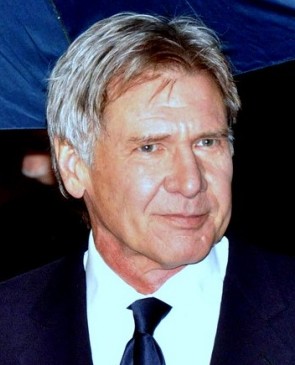
Harrison Ford is an American film actor and producer whose career turned him into one of Hollywood’s most recognisable screen presences. Born in 1942, he became famous for playing Han Solo in the original Star Wars trilogy and Indiana Jones in the adventure franchise of the same name. He also played Rick Deckard in Blade Runner, John Book in Witness, and Jack Ryan in Patriot Games and Clear and Present Danger.
| Born | July 13, 1942, Chicago, Illinois, United States |
|---|---|
| Profession | Film actor, producer |
| Known for | Action-adventure roles, laconic performances, major franchise leads |
| Signature characters | Han Solo, Indiana Jones, Rick Deckard, John Book, Jack Ryan |
How did Harrison Ford become famous?
Ford’s rise came through a mix of timing, charisma, and physically grounded acting. He had worked as a carpenter before film roles gave him a foothold in the industry, and that later fed the sense of practicality that shaped many of his performances. George Lucas cast him first in small work before giving him Han Solo, a role that made Ford a star through a combination of dry humour, impatience, and physical confidence.
His fame expanded when Steven Spielberg and Lucas cast him as Indiana Jones, a character built from pulp adventure, archaeological fantasy, and athletic action. Ford made the role feel worn-in and believable, less like a superhero than a capable man improvising under pressure. That plainness became central to his appeal.
What does his screen persona look like?
Ford’s characters often share the same basic shape: competent, unwilling to be sentimental, and visibly irritated by the mess around them. He plays authority without polish. Even in science fiction and adventure films, he rarely seems grand or theatrical; he leans on timing, restraint, and a guarded physicality instead of overt display.
This style made him effective across different genres. In Blade Runner, he brought fatigue and moral ambiguity to Rick Deckard. In Witness, he played a policeman moving through an Amish community with tension and curiosity. In the Jack Ryan films, he turned a cerebral intelligence officer into an active protagonist without losing the character’s grounded quality.
Why does Harrison Ford matter?
Ford helped define the modern blockbuster lead. His biggest roles sit at the centre of franchise filmmaking, but they do not feel mechanically heroic. They depend on a believable body in motion, a face that can register irritation and vulnerability, and a voice that sounds like it belongs to a person rather than a slogan. That gave late-20th-century commercial cinema a different kind of star power: less glamorous, more pragmatic.
He also mattered because he proved that long-term stardom could rest on consistency rather than reinvention. Ford did not build a career around constant stylistic change. Instead, he returned to a small set of traits and made them durable: competence, reluctance, and dry wit. Directors used those qualities to anchor stories that otherwise leaned on spectacle.
How is he used and remembered in practice?
Outside the films themselves, Ford is often cited as a model of the reluctant action hero. Casting conversations still use his name to describe a lead who can carry danger without appearing invulnerable. Costume, lighting, and stunt design around his best-known roles all support that image: the worn leather jacket, the practical shirt and holster, the face marked by effort rather than perfection.
His legacy also sits in the overlap between performance and production culture. Ford’s roles became templates for merchandising, sequels, and character branding, but the appeal of those characters still depends on performance detail. The appeal survives because he made adventure look like work.
Frequently Asked Questions
Is Harrison Ford mainly known for action films?
He is best known for action-adventure and science-fiction roles, especially Star Wars and Indiana Jones. But his work is broader than that label suggests, and films such as Witness and Blade Runner show a more subdued, serious side. His career rests on both commercial spectacle and character-driven drama.
What makes his acting style distinctive?
Ford usually performs with restraint rather than display. He uses short lines, clipped timing, and a physical sense of fatigue or impatience to make characters seem lived-in. That approach gives his roles a practical realism even when the stories are fantastical.
Why is he still widely discussed?
Ford remains important because his most famous characters became durable cultural templates. Han Solo and Indiana Jones are still referenced in casting, costume design, and blockbuster storytelling. His work continues to shape how studios and audiences imagine the modern heroic lead.