
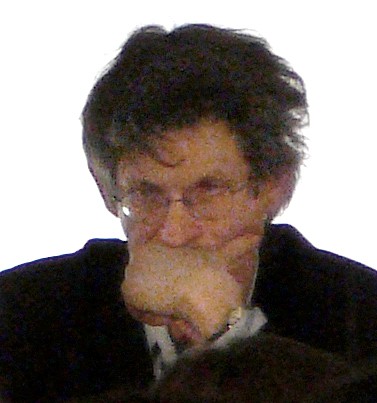
Alan Rusbridger is a British journalist and editor best known for leading The Guardian from 1995 to 2015. He helped steer the paper through a period of major change in print journalism, especially the shift to digital publishing and large-scale investigative reporting.
- Born in 1953 in Lusaka, then Northern Rhodesia, now Zambia.
- Worked as a reporter, columnist, and editor before becoming editor of The Guardian.
- Served as editor of The Guardian from 1995 to 2015.
- Associated with the paper’s expansion into digital-first journalism and international news coverage.
- Known for overseeing major investigations that used leaked documents and data-led reporting.
What did Rusbridger do at The Guardian?
Rusbridger took charge of The Guardian at a moment when newspapers were under pressure from falling print circulation, advertising losses, and the rise of the web. Under his editorship, the paper invested heavily in its website and built an editorial culture that treated digital publishing as central rather than secondary. That meant faster publishing, wider audience reach, and a newsroom more willing to work with databases, leaks, and networked sources.
He also oversaw some of the newspaper’s most visible investigative work. The paper’s reporting on phone hacking, surveillance, financial wrongdoing, and government secrecy became closely associated with his tenure. In practice, that kind of journalism depended on editing long document trails, coordinating reporters across desks, and presenting complicated material in forms readers could follow.
Why does he matter in British journalism?
Rusbridger matters because his editorship became a model for how a legacy newspaper could survive the digital transition without surrendering serious reporting. He argued, in effect, that a newspaper had to become a news organisation with multiple publishing forms, not just a printed object. That approach influenced newsroom strategy well beyond London.
He also shaped debates about press freedom, national security, and the limits of state secrecy. During the Edward Snowden reporting, The Guardian published material that drew intense scrutiny from government and intelligence officials, and the handling of that story became a landmark case in modern journalism. The episode showed how editorial decisions, legal risk, and technical infrastructure now sit together in the making of news.
What did his editorial style look like in practice?
Rusbridger’s style mixed institutional caution with a willingness to back difficult stories. He was not known as a flashy public editor. Instead, he worked through systems: editorial meetings, legal review, digital strategy, and long-form investigations that needed time and resources. That made his leadership visible less in a signature visual style than in the paper’s output and workflow.
His tenure also coincided with a more collaborative newsroom culture. Reporters, developers, designers, and editors increasingly worked together on interactive graphics, live coverage, and searchable reporting projects. For a publication like The Guardian, that shift mattered because the form of the story began to affect how evidence was gathered, checked, and presented.
What happened after he left the editorship?
Rusbridger stepped down as editor in 2015 and moved into other roles in media, education, and public commentary. He became principal of Lady Margaret Hall, Oxford, and continued to write on journalism, politics, and public life. His later work has often returned to questions of media power, democratic accountability, and the responsibilities of editors.
His post-editorial career matters because it shows how the role of a major newspaper editor can extend beyond the newsroom. In Britain, editors often become public figures, but Rusbridger’s influence came less from celebrity than from decisions about process, institutions, and editorial priorities. That is where his legacy sits.
Frequently Asked Questions
Was Alan Rusbridger a reporter before he became an editor?
Yes. He worked as a reporter and columnist before taking on senior editorial roles. That background mattered because it gave him a practical understanding of how stories are gathered and shaped before they reach the front page or homepage.
What is Alan Rusbridger most associated with?
He is most closely associated with The Guardian and its transformation into a major digital news operation. He is also linked to landmark investigative reporting, especially stories involving leaked documents, surveillance, and state secrecy.
Is Alan Rusbridger still involved in journalism?
Yes, though not as a daily newspaper editor. He continues to write, speak, and contribute to public debate about media and politics, while also having held academic leadership roles. His work remains connected to journalism even when it moves outside the newsroom.