
The Guardian is a British daily newspaper and media organisation, founded in Manchester in 1821 as The Manchester Guardian and renamed in 1959 when it expanded into a national paper. It is known for centre-left liberal reporting, long-form journalism, investigative work, and a distinctive editorial voice. Today it operates as a print-and-digital publication with international editions, podcasts, video, and a large online newsroom.
Stories from The Guardian
17 stories




About The Guardian
- Founded in 1821 in Manchester, England.
- Renamed The Guardian in 1959 after becoming a national paper.
- Published by the Guardian Media Group, with journalism shaped by a trust structure rather than a conventional private owner.
- Best known for news, comment, culture coverage, investigations, and international reporting.
- Appears both in print and as a major digital news platform.
Read the full overviewHow did The Guardian begin?, What does The Guardian do now?, Why does its ownership matter?, What does The Guardian look like in practice?
How did The Guardian begin?
The paper started after the Peterloo Massacre, when a group of Manchester businessmen backed a liberal newspaper that could support reformist politics and represent the industrial city’s interests. From the outset, it served a readership shaped by manufacturing, trade, politics, and education in the north of England. That regional origin still matters: the paper’s name changed, but its identity retains a strong sense of independence from London power centers.
Its move from local title to national newspaper happened gradually across the 20th century. The shorter name reflected a wider audience and a broader editorial reach. By then, the paper had already become a major voice in British journalism, with a reputation for serious reporting and opinionated but readable writing.
What does The Guardian do now?
The Guardian publishes daily news, opinion, culture, sport, business coverage, investigative reporting, and explainers. Its journalism often combines fast online publishing with longer reported pieces, feature writing, and visual storytelling. The paper also produces newsletters, audio, video, and live blogs, which are now central to how its reporting reaches readers.
In practice, The Guardian works as a large newsroom rather than a single printed object. Reporters, editors, picture desks, illustrators, designers, data journalists, and production teams shape the final output. That matters for a publication like FreeYork because the paper’s visual identity depends on layout, typography, photography, illustration, and digital presentation as much as on text.
Why does its ownership matter?
The Guardian is published by Guardian Media Group and linked to the Scott Trust, a structure designed to protect editorial independence. Unlike a conventional newspaper owned for private profit, it is meant to preserve journalism over the long term. That arrangement has shaped its public image: the paper often presents itself as institutionally independent, with a strong editorial mission rather than a simple commercial brief.
This ownership model also affects how the paper looks and feels. The newsroom has had to adapt to digital-first publishing while keeping the print edition alive, which has influenced page design, feature presentation, and visual commissioning. Across articles on art, design, craft, and technology, The Guardian often gives images and illustrations a prominent role, not just as decoration but as part of the reporting itself.
What does The Guardian look like in practice?
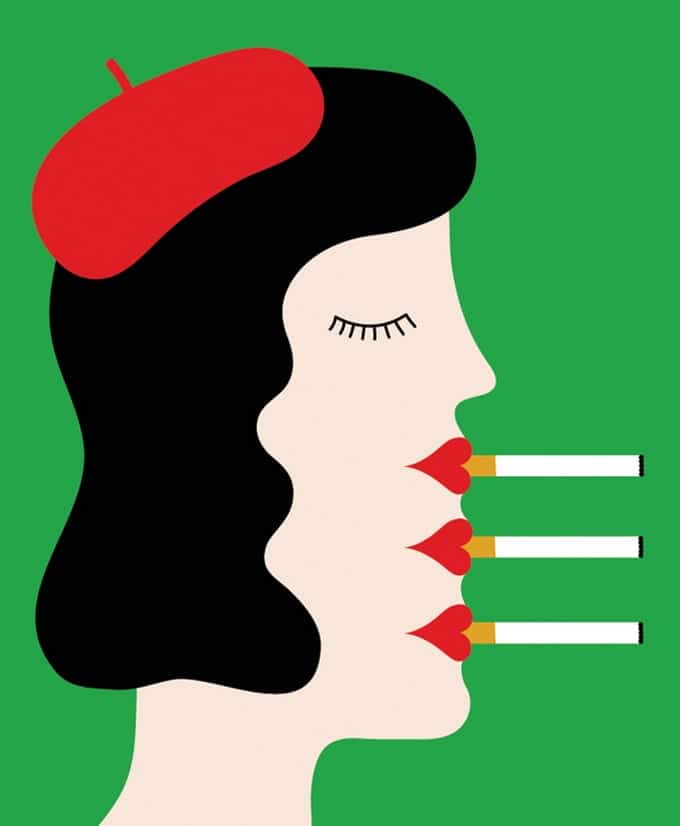
On the page, The Guardian is known for clean typography, clear hierarchy, and strong use of color in section design. Its print edition typically combines long text columns with photographs, infographics, and commissioned illustration. Online, its stories often use bold headlines, embedded media, and responsive layouts that reorganize the article for phones, tablets, and desktops.
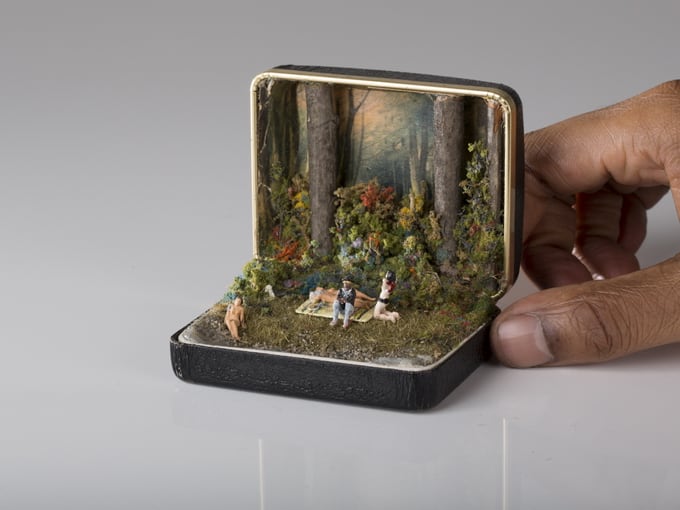
For makers and visual culture readers, that matters because the paper has long treated illustration and photography as editorial tools rather than afterthoughts. A feature might pair an artist profile with studio photographs, process images, or bespoke graphics that help explain method and material. In that sense, The Guardian is not only a source of news but also a platform where visual language is actively made.
Frequently Asked Questions
Is The Guardian a newspaper or a website?
It is both. The Guardian began as a printed newspaper and still publishes in print, but it now operates as a major digital news outlet with a much larger online audience than its paper circulation. The brand covers the newsroom, the website, apps, newsletters, podcasts, and video.
Why is The Guardian considered different from other British papers?
Its trust-based ownership is a major difference, because it is structured to protect editorial independence rather than to deliver profits to private owners. Its political tone is also widely seen as centre-left, liberal, and socially progressive. Those traits give it a recognisable voice in British media.
What is The Guardian best known for?
It is best known for serious journalism, investigations, commentary, and coverage of culture, politics, and international affairs. It also has a strong reputation for digital publishing and for presenting text alongside thoughtful photography and illustration. That combination has made it influential well beyond the UK.