Iranian describes something or someone from Iran, a country in Western Asia with a long and layered cultural history. As an adjective, it appears in reference pages, captions, and criticism to mark origin, style, nationality, or context; as a noun, it refers to a person from Iran or of Iranian origin.
- It names origin rather than a single style, medium, or movement.
- In art and design writing, it often signals Iranian makers, institutions, materials, or places.
- Iranian visual culture draws on ancient Persian traditions, Islamic art, modernism, and contemporary experimental practice.
- The term can describe both national identity and a broader cultural field shaped by Persian language, regional craft, and migration.
What does “Iranian” mean in practice?
In practical use, Iranian works like a geographic and cultural marker. It can describe a person, such as an Iranian artist or architect, or an object, such as Iranian carpet weaving, Iranian ceramics, or Iranian film. The word does not define a fixed aesthetic. It simply places the subject in relation to Iran, its people, and its cultural production.
That flexibility matters in visual culture. An Iranian artwork may draw on calligraphy, miniature painting, tilework, or contemporary digital methods. An Iranian building may reference brick traditions, courtyard planning, or newer international materials. The term helps locate the work without reducing it to one look.
Where does the term come from?
Iran is the modern name of the country; Iranian is the standard English adjective and demonym derived from it. In older English-language writing, related words such as Persian sometimes appeared more often, especially when referring to the historical region, language, or court arts. Today, Iranian is the more direct term for nationality and contemporary identity.
The distinction matters because Iran’s history predates the modern nation-state. Many artistic traditions associated with the region are older than the current political borders, and some artists or writers may prefer Persian when speaking about language or heritage. In reference writing, Iranian is usually the safest term when the subject is tied to the present-day country.
Why does “Iranian” matter in art and design?
The label appears often in art writing because Iranian creators have contributed across many fields: painting, architecture, ceramics, textiles, photography, installation, and fashion. It can signal a specific social and political context as well. Iranian artists have often worked under censorship, migration, sanctions, or cultural restriction, and those conditions shape both materials and themes.
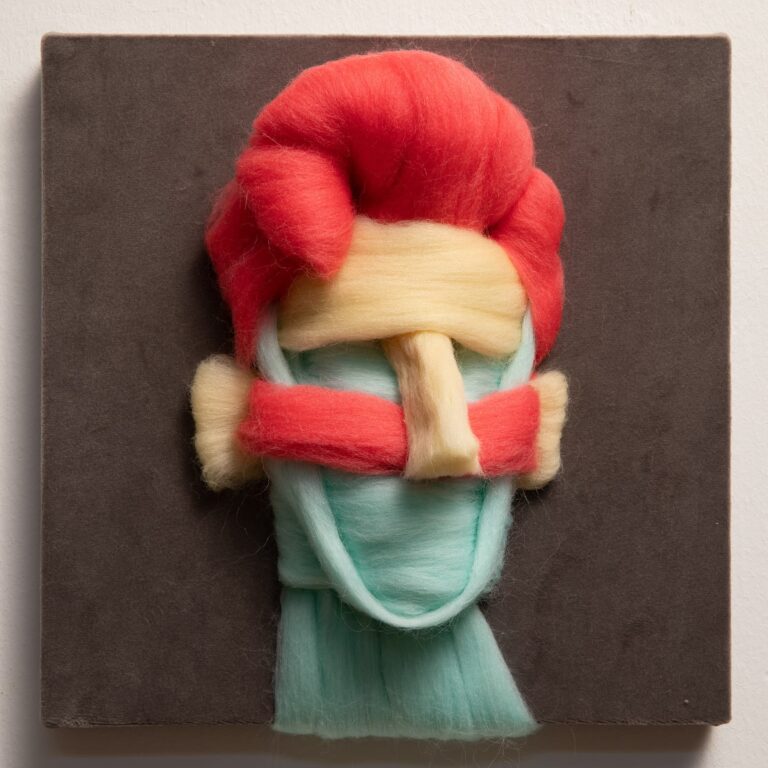
In practice, that can mean work made with modest or locally available materials, or work that uses abstraction, symbol, and coded imagery to speak around pressure. It can also mean strong continuity with craft traditions such as wool, mirror work, plaster, tile, and textile techniques. In contemporary settings, Iranian identity often appears alongside experimentation rather than apart from it.
How does it appear in contemporary visual culture?
In contemporary art and design, Iranian can describe a wide range of practices. One artist may use translucent acrylic, metal, or mirrored surfaces to build an installation; another may use wool, paint, or drawing to make figurative work. Architectural projects by Iranian makers may combine local spatial habits with modern forms, while photographers may frame landscapes, cities, or portraiture through a distinctly Iranian vantage point.
The common thread is not a single style but a relationship to place, memory, and making. Iranian work often carries a conversation between tradition and modernity, between domestic craft and global contemporary art. That is why the term shows up in articles about architecture, gallery installations, portraiture, and material-based practice alike.
Frequently Asked Questions
Is “Iranian” the same as “Persian”?
No. Iranian refers to the modern country and its citizens or culture, while Persian usually refers to the Persian language, Persian heritage, or historical artistic traditions tied to that older cultural sphere. The words overlap, but they are not interchangeable in every context. Contemporary writers usually use Iranian for nationality and Persian for language or premodern cultural history.
Can “Iranian” describe objects and styles?
Yes. It can describe anything originating in Iran or closely associated with Iranian culture, including buildings, textiles, foodways, visual motifs, and methods of making. In art and design criticism, it often appears as a shorthand for cultural origin rather than as a style label. The term should be used carefully so it does not flatten differences among regions, generations, or individual makers.
Why is the term common in art and architecture writing?
Because origin matters when discussing how work is made, where materials come from, and which traditions inform a project. Iranian artists and architects often work in conversation with longstanding craft histories and current social realities. Naming that context helps explain both the form of the work and the conditions under which it was produced.
Articles mentioning Iranian