


Sustainable Building Materials: From Trash to Treasure
The journey of transforming waste into high-performance building materials has sparked a shift in sustainable design. Instead of relying on raw materials, designers are innovating with waste-derived compounds. Recycled textiles, plastics, and industrial residues now serve as foundations for durable construction products. These composites not only reduce landfill but also inspire new aesthetic and functional possibilities, proving sustainability drives innovation.
Mogu’s Modular Acoustic Panels: A Symphony of Mycelium and Textile Waste
Foresta System, by Italian company Mogu, showcases the fusion of fungal mycelium with upcycled textiles, offering a sustainable acoustic solution. The mycelium provides remarkable strength and is biodegradable. Mounted on a timber framework using magnetic connections, these panels are perfect for spaces needing flexible interior solutions, like offices and restaurants.


Reclaiming Construction Waste: Breathing New Life into Old Materials
Architects are now viewing construction debris as valuable resources. Salvaging timber, stone, and metal from demolition, they extend their lifecycle and reduce demand for new resources. Studio Padron exemplifies this by transforming leftover oak into the Hemmelig Room, a cabin with a warm library atmosphere that celebrates timber’s natural beauty.


This innovative approach resonates with Pierre Villez’s sustainable furniture revolution highlighting discarded materials in architecture.
Repurposed Glass: Shining a Light on Recycled Design
Glass’s ability to be endlessly recycled without losing quality makes it a key player in innovative design strategies. Projects like Heineken South Africa’s Waste-to-Wear show glass’s potential beyond traditional use, by creating functional homeware from discarded bottles, thus promoting circular design and reducing landfill waste.


Digital Fabrication Revolutionizing Recycled Materials
With digital manufacturing advancements, recycled materials transform into precise, high-performance components. Aectual has pioneered a sustainable, 3D-printable wood-based material, reducing reliance on fossil resources and minimizing waste. These advancements in digital fabrication offer new design possibilities and reinforce circular material streams.


Ecosystem of Circular Design: Beyond Architecture
Circular design principles are gaining traction across industries, with products leveraging recycled materials for both performance and aesthetics. The Alice Stool by Studio LoopLoop features 100% recycled aluminum and plant-based faux fur, demonstrating how products can remain attractive and sustainable.

These innovative approaches show that waste can be an invaluable resource. As material science and technology evolve, discarded materials will shape the future of resilient and resource-efficient architecture.


Similarly, this NYC restaurant creatively uses materials discarded by others, aligning with waste-to-resource concepts.
Source: yankodesign.com
Frequently asked questions
What are the benefits of Mogu’s Modular Acoustic Panels?
Mogu’s Modular Acoustic Panels are made from fungal mycelium and upcycled textiles, providing a sustainable acoustic solution. They offer remarkable strength, are biodegradable, and are mounted on a timber framework using magnetic connections, making them suitable for flexible interior solutions.
How is construction waste being reused in architecture?
Construction waste like timber, stone, and metal is being salvaged from demolition to extend its lifecycle and reduce the demand for new resources. An example is Studio Padron, which transformed leftover oak into the Hemmelig Room, creating a warm library atmosphere and highlighting discarded materials in architecture.
What role does recycled glass play in sustainable design?
Recycled glass is used to create functional homeware, as demonstrated by Heineken South Africa‘s Waste-to-Wear project, which involves making new products from discarded bottles. This approach promotes circular design and helps reduce landfill waste by utilizing glass’s ability to be endlessly recycled without losing quality.
More in
Architecture
All Architecture


More like this

Crate & Barrel Partners with York Wallcoverings for Timeless Wallpaper Collection Launch

Urban Cowboy's Luxe Tent on Governors Island Offers Red Pendleton and Cast-Iron Charm
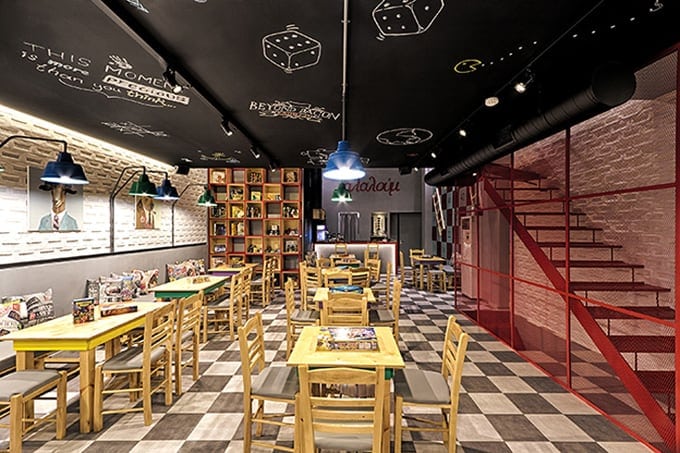
Cafe "Alaloum Board Game" in Athens

Cuban Architecture in the late 1990s: A Visual Record of a Country on the Verge by Andrew Moore

Ingenious Backrest Mechanism Transforms Gudmundur Ludvik’s Backflip Chair into Permanent Seating
