
Adam Spizak is a digital artist and visual designer known for stylised 3D illustration, poster art, and character-led imagery. He came out of the computer graphics culture of the late 1990s, shaped by the Amiga art scene, and later formalised that background with a Computer Science degree focused on Computer Graphics and Multimedia. His work sits at the intersection of illustration, imaging software, and cinematic design.
Adam Spizak on FreeYork
What kind of work is he known for?
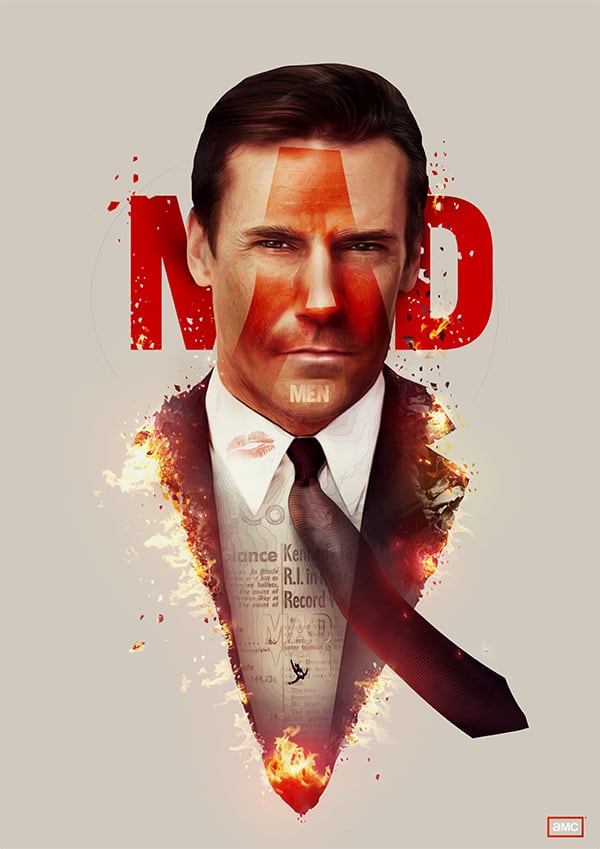
Spizak’s images typically combine polished rendering, strong lighting, and a sense of cinematic drama. The work often uses 3D modelling, digital painting, and compositing to build figures that look engineered rather than sketched, with sharp surfaces, controlled textures, and a glossy finish. That makes his output especially suited to posters, magazine covers, and promotional art where an image has to carry an idea quickly.
He has been featured in titles such as Maxim, Sci Fi Magazine UK, Web Designer, Computer Arts, Advanced Photoshop Magazine, and Image FX. Those placements reflect the mix of commercial craft and technical skill behind his practice: the work is visually assertive, but it is also built through software, rendering workflows, and image assembly.
Where did his style come from?
Spizak traces his computer graphics interests back to 1996 or 1997, when the Amiga art scene still influenced a generation of digital makers. That scene valued experimentation, self-taught technique, and a close relationship between hardware limits and visual invention. It helped form a generation that treated computers not just as production tools, but as a medium in their own right.
That background matters because it explains the balance in his work between craft and spectacle. The Amiga era encouraged artists to learn how to coax more from limited systems, and that sensibility still shows up in the clarity of his compositions and his attention to surface detail. Even when the final result is highly polished, the underlying logic is rooted in digital making rather than traditional studio illustration.
How does he work in practice?
Spizak’s practice sits in a hybrid zone between illustration and design. A typical image may begin with a 3D model or a digitally built figure, then move through lighting, texture work, colour grading, and compositing until the final frame feels unified. The process is less about visible brushwork than about controlling the whole image environment: edges, reflections, shadows, and material cues all have to support the same mood.
His 2006 degree in Computer Science, with a major in Computer Graphics and Multimedia, adds a technical spine to that creative approach. It suggests familiarity with the systems underneath the image: rendering pipelines, file formats, image manipulation, and the conventions of digital production. That technical grounding helps explain why the work often feels precise even when it is emotionally exaggerated or visually extravagant.
Why does Adam Spizak matter?
Spizak matters because he represents a generation of artists for whom computer graphics became a serious visual language rather than a novelty. His work shows how digital tools can be used to make images that are atmospheric, commercial, and highly authored at the same time. That is especially important in poster design, where a single image must convey genre, tone, and identity immediately.
He also stands as an example of how online and magazine-based visibility shaped digital art careers. The fact that his work circulated through print magazines and web features shows the period when digital illustration moved from niche communities into broader design culture. His output belongs to that transition: technically fluent, internet-adjacent, and built for mass visual attention.
Questions
Is Adam Spizak mainly a 3D artist or an illustrator?
He is best understood as a digital artist who uses both 3D and illustration methods. The final images often feel illustrative, but they are built with 3D modelling, rendering, and post-production. That mixed process is central to his style.
What influenced his early development?
His early development came from the Amiga art scene of the mid-1990s. That environment encouraged experimentation with computer-generated imagery and gave many artists their first deep exposure to digital making. It also helped define a visual culture around self-taught technical skill.
Why is he associated with magazines and web features?
His imagery fits editorial and promotional formats well because it is visually immediate and technically polished. Magazines covering design and digital art often feature artists whose process matters as much as the finished image, and Spizak fits that profile. His presence across print and online coverage reflects that crossover appeal.